
2026 Kruger National Park Floods: Impact and Recovery Insights
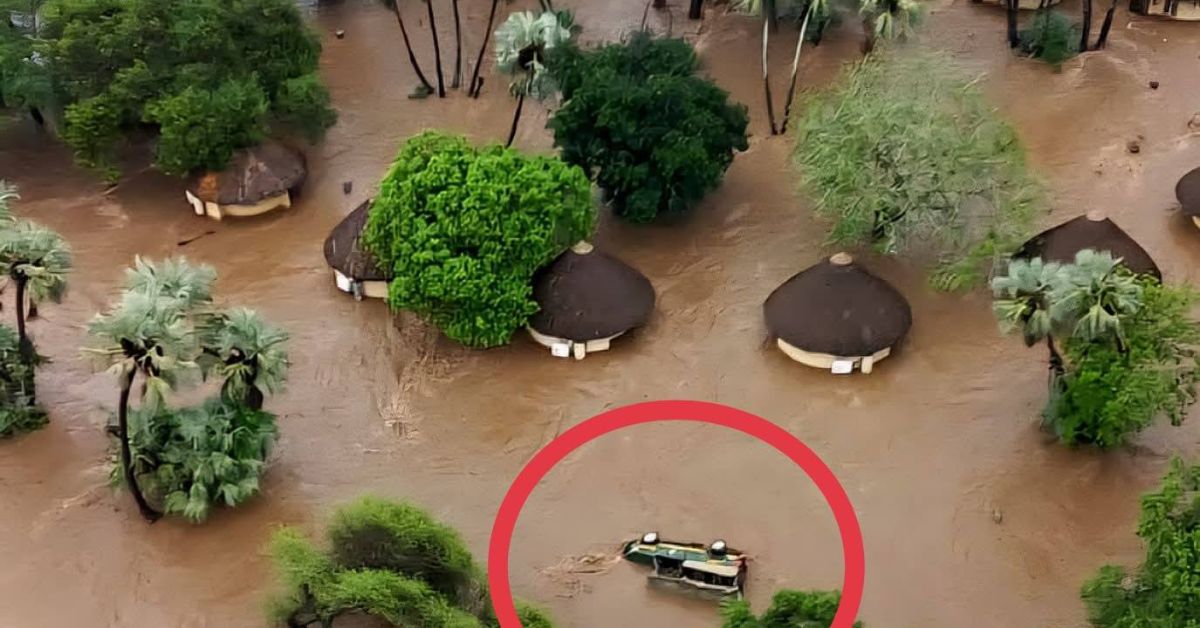
The January 2026 floods in Kruger National Park (KNP) have become a landmark event in the park’s century-long history. While the floods reshaped landscapes and challenged infrastructure, they also unveiled profound insights into ecological resilience and the vital role of modern technology in conservation. At Nhongo Safaris, we remain committed to navigating this transformed landscape while keeping our guests informed on the recovery progress.
Causes of the Flooding: A Multifaceted Crisis
The causes of the 2026 floods were driven by an anomalous weather pattern, a slow-moving, cut-off low-pressure system that stalled over the Limpopo and Mpumalanga provinces. Some regions within the park received more than double their average annual rainfall in just two weeks, leading to record-breaking water levels in the Sabie, Olifants, and Letaba rivers.
Climate change acted as a significant multiplier. Rising global temperatures increased evaporation rates, creating a “charged” atmosphere capable of holding and dumping immense volumes of moisture. Combined with land-use changes and deforestation outside the park’s borders, the natural capacity for the soil to absorb runoff was overwhelmed, turning seasonal streams into violent torrents.
The "Silicon Eye": AI and Technology in Recovery
A standout feature of the 2026 recovery has been the integration of Artificial Intelligence (AI) and advanced technology to monitor and protect the park’s inhabitants.
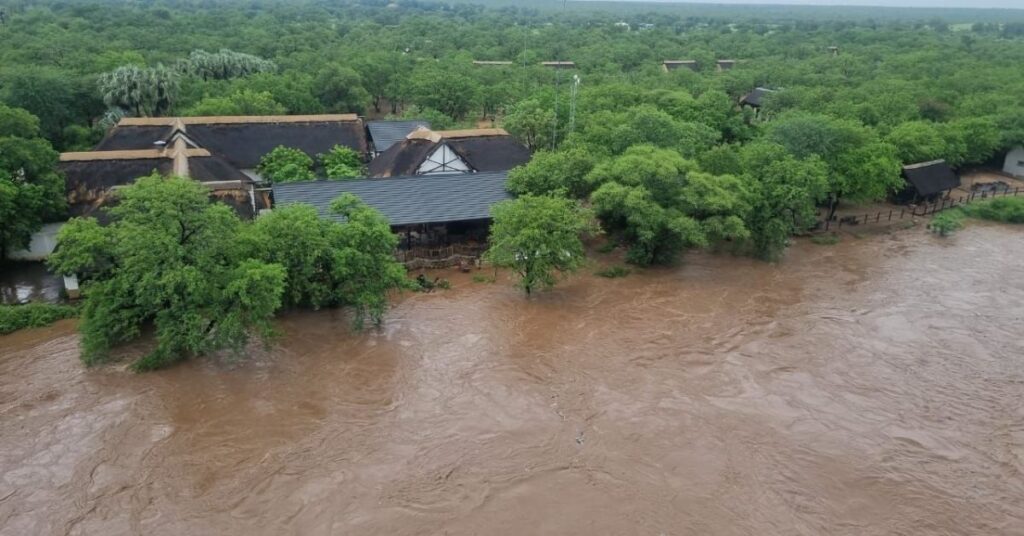
Predictive Hydrology: SANParks and international partners deployed AI models to analyze real-time data from river confluences. This allowed for “flash-cresting” predictions, enabling the successful evacuation of camps like Shingwedzi and Sirheni hours before waters reached critical levels.
GPS Sentinel Tracking: Organizations have utilized AI-filtered GPS telemetry to monitor the movement of vulnerable species. During the peak of the floods, researchers tracked African Wild Dogs to ensure they weren’t marooned in high-predation zones as riverbanks retreated.
Drone Damage Assessment: AI-equipped drones with thermal sensors were deployed to assess fence breaches and infrastructure damage in remote northern sectors, such as the Pafuri region, which remained inaccessible to ground vehicles for weeks.
Immediate Impact on Wildlife and Ecosystems
The immediate impact was a test of survival. While a viral video of a mother elephant pushing her calf to safety through the raging Sabie River captured the world’s attention, the overall loss of “Big Five” life was remarkably low. Most animals instinctively sensed the barometric pressure drops and moved to higher-lying ridges long before the banks burst.
The floods also initiated a strategic “rewilding” opportunity. The sheer force of the water assisted in the removal of man-made dams, such as the Kanniedood and Sirheni dams. Removing these structures helps restore natural river flow and prevents the artificial concentration of animals, making the ecosystem more resilient to future extreme weather.
Infrastructure Updates: Rebuilding the Gateway
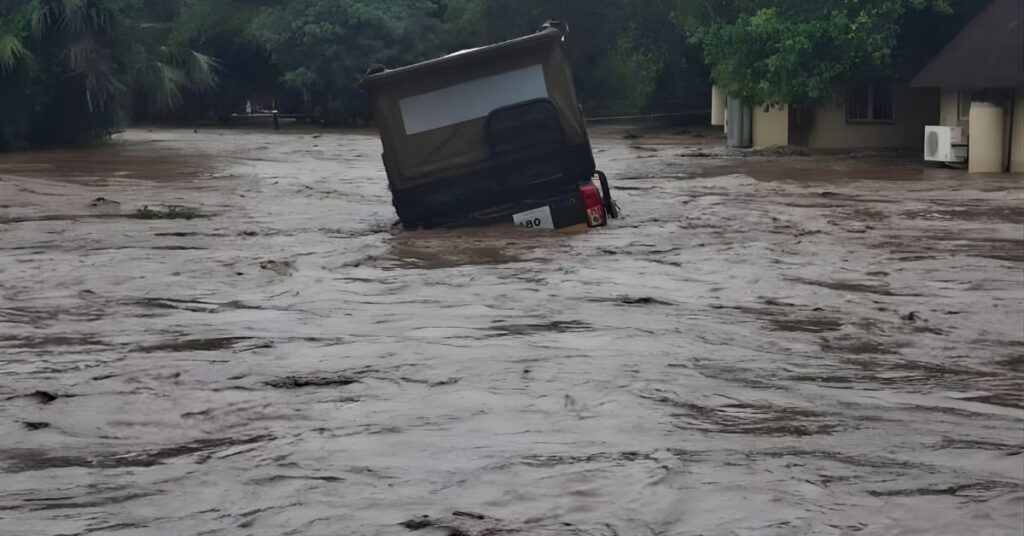
The financial toll on infrastructure is estimated at R650 million. However, significant milestones have already been reached:
Shingwedzi Rest Camp: Officially reopened on March 6, 2026, after extensive restoration of guest rondavels and electrical systems.
Letaba High Water Bridge: Repairs to the H1-6 approach are nearing completion, with a scheduled reopening date of March 18, 2026. This will restore the vital artery between the central and northern regions.
The H4-1 Route: The road between Skukuza and Lower Sabie remains a priority, with temporary bypasses currently being reinforced to ensure safe passage for safari vehicles.
The "Green Flush": Long-term Ecological Benefits
Despite the destruction, the 2026 floods have gifted the park a “Green Flush.” The massive influx of nutrient-rich silt deposited on the floodplains has triggered a super-bloom of high-protein grasses. This surge in vegetation is expected to lead to a significant “baby boom” among grazers like impala, zebra, and wildebeest over the 2026/2027 season, which in turn will support healthy predator populations.
Safe Safari Planning with Nhongo Safaris
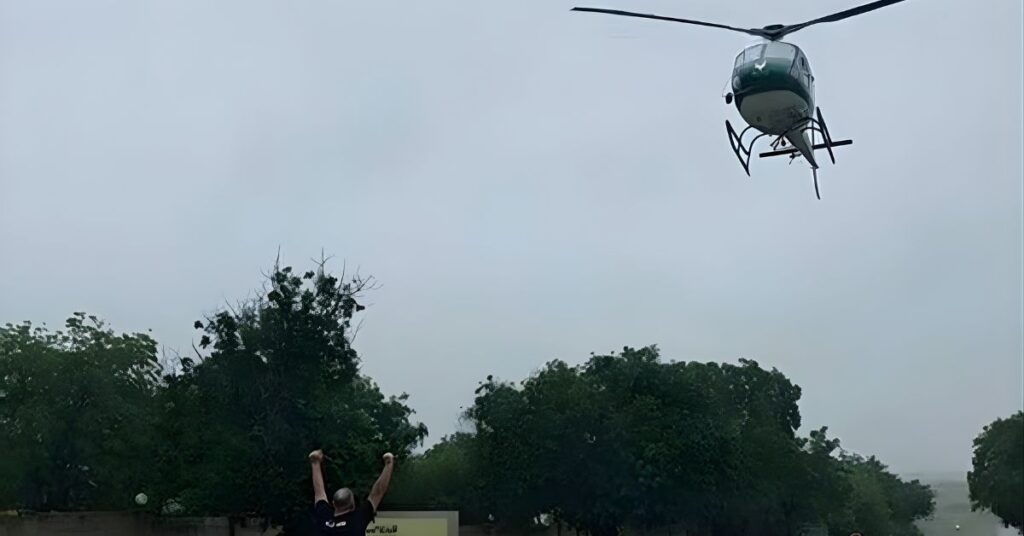
As a leader in Kruger experiences, Nhongo Safaris has adapted all itineraries to ensure guest safety and optimal game viewing. Our guides utilize real-time “Flood-Alert” AI integrations and maintain constant communication with SANParks rangers.
Whether you are booked on a 3-Day Classic Safari or a 5-Day African Adventure, we have strategically rerouted to use open gates like Malelane and Paul Kruger, while avoiding restricted gravel roads. We are currently focusing on the high-ground ridges where predators have congregated to avoid the waterlogged valleys, offering some of the most unique leopard and lion sightings of the decade.
A Resilient Future
The 2026 floods were a stark reminder of nature’s power, but the recovery efforts have highlighted the resilience of the Kruger ecosystem. By leaning on AI-driven conservation and adaptive management, we are ensuring that the park remains a vibrant sanctuary. Kruger isn’t just recovering; it is transforming into a stronger, more natural version of itself.