
The Unique Biology of Pangolins: The Scaly Mammal
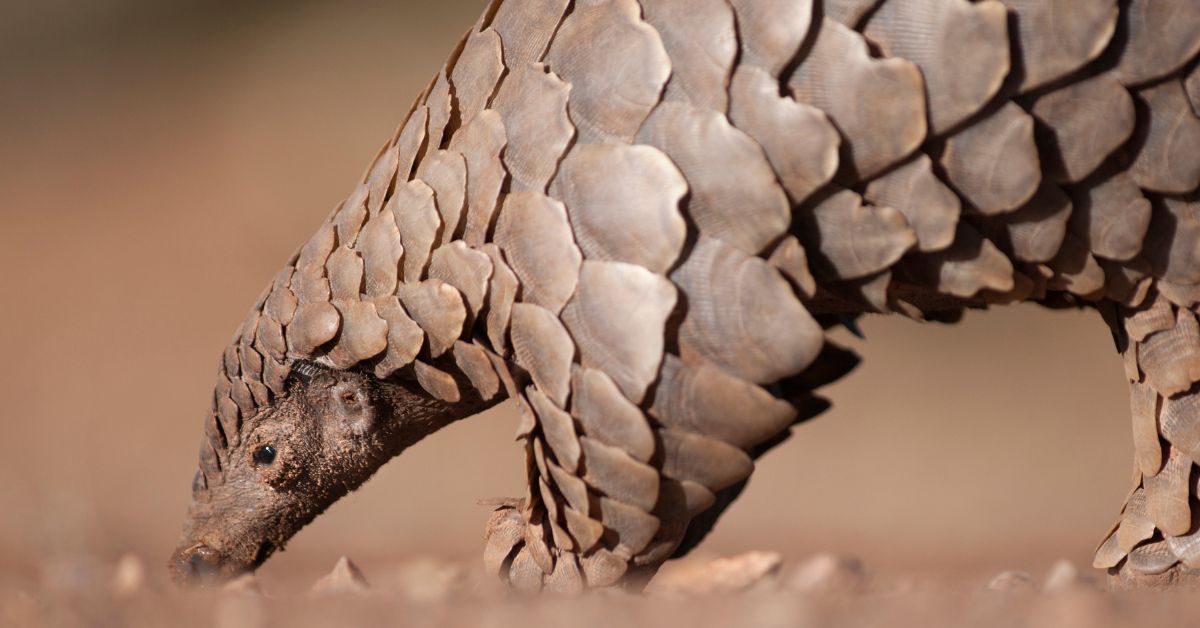
These animals are immediately recognizable by the large, plate-like scales covering most of their body. These brown or yellow-brown plates are composed of keratin and grow continuously, with edges wearing down as the animal digs and burrows.
Newborns enter the world with soft, pale scales that harden by their second day of life. The armor overlaps like artichoke leaves, and a fully grown adult can have hundreds of them, between 382 and 664, depending on its size. Notably, their underside lacks scales and is instead covered with sparse fur.
Beyond their armor, these insectivores have other unusual features adapted to their lifestyle. They have a small, conical head and no teeth at all. In place of teeth, they sport an astonishingly long tongue, in some cases as long as their body. This sticky, muscular tongue is coated with gummy saliva, making it perfect for slurping up insects in deep crevices.
They also have a specialized gizzard-like stomach lined with hardened spines; they swallow small stones and sand to help grind up their food since they cannot chew. Their limbs are short but powerful, equipped with large curved claws on the front feet that let them tear open termite mounds.
Habitat and Distribution
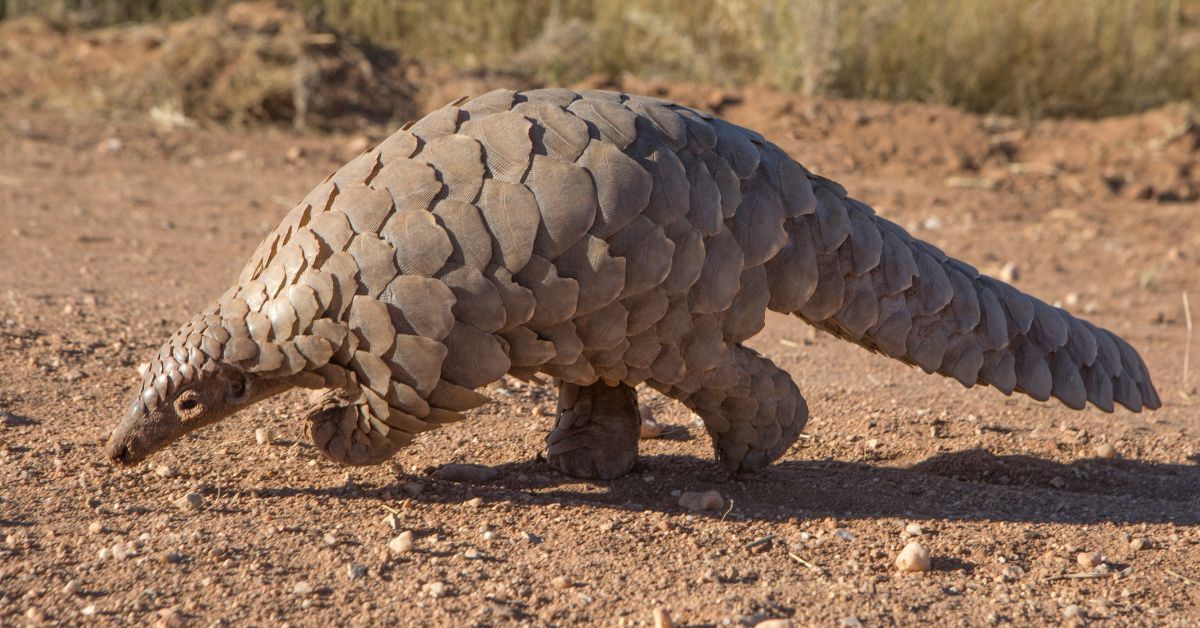
There are eight species worldwide – four in Asia and four in Africa. Asian varieties, such as the Indian, Chinese, Sunda, and Philippine species, live in regions from the Indian subcontinent through Southeast Asia. African species, including the ground and tree variants, are found south of the Sahara in habitats like savannah grasslands and dense woodlands.
Despite this environmental variety, all habitats share one key feature: plenty of ants and termites. They tend to reside where their insect prey is abundant and are never far from a water source. These animals can adapt to modified landscapes to some extent, having been recorded in agricultural areas and palm-oil plantations.
Primary forests and natural grasslands remain their strongholds. A single individual may dig multiple burrows within its territory, some extending up to 10 meters deep. These serve as daytime retreats and nurseries for raising young. Come nightfall, they emerge to patrol the forest floor or treetops in search of their next meal.
Behavior and Lifestyle
These mammals are solitary and largely nocturnal, leading secretive lives that make them challenging to study. Typically, they spend daytime hours curled up asleep and only venture out after dark to forage. They rely on a keen sense of smell to find food, since their vision is poor.
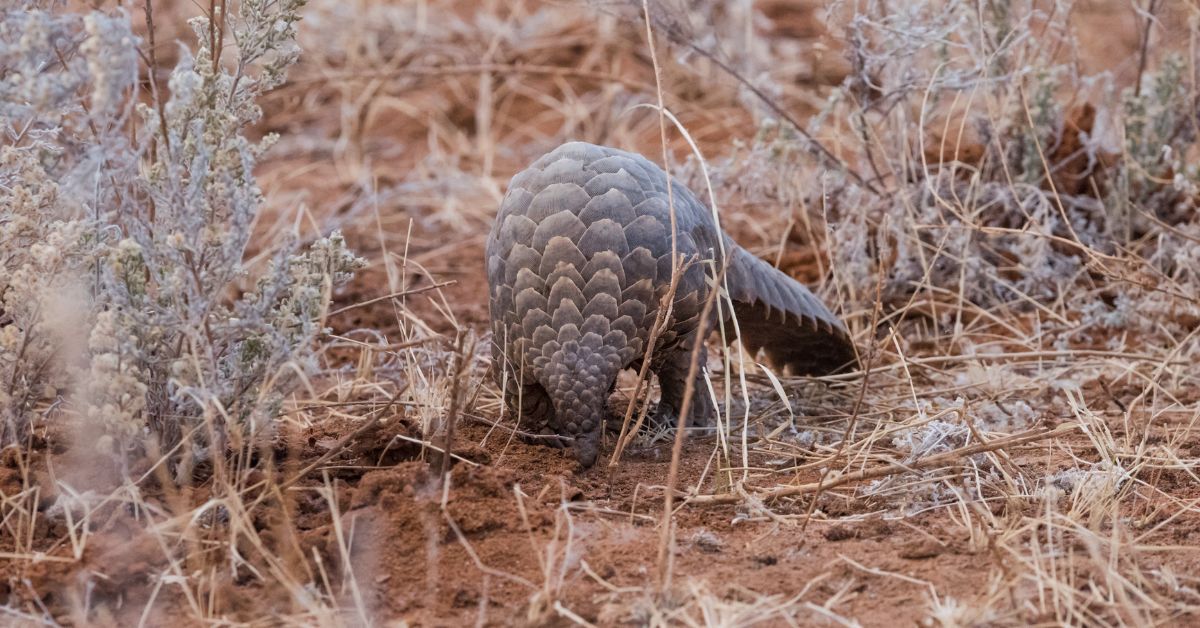
Moving slowly and methodically, the animal will sniff the ground and air. Once it locates a colony, it engages in a frenzy of digging and lapping up insects with its sticky tongue. An industrious individual may excavate a dozen or more nests in a single night.
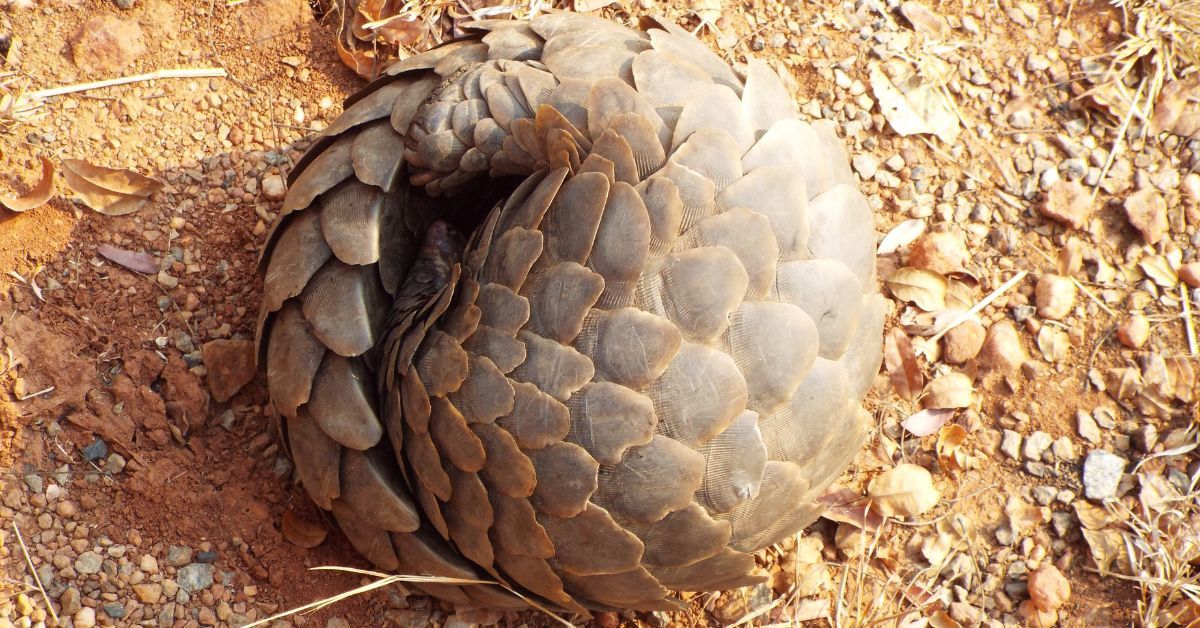
In a balled-up posture, the species is largely impervious to natural predators. Lions, leopards, and hyenas struggle to bite past the armor and often give up. The scales aren’t just passive, with powerful muscles, they can clamp down to pinch or cut a predator’s snout. As a last resort, some species emit a foul-smelling, skunk-like spray to deter attackers.
While they generally avoid each other, mothers form a tender bond with their offspring. A female typically gives birth to a single baby. During the nursing period, the mother often carries her pup on the base of her tail as she moves about, creating an adorable sight of a “train” as the baby clings on.
Diet and Ecological Role
These mammals occupy a niche similar to anteaters. A single adult can eat an astonishing 70 million insects in one year. They have special muscles to seal their nostrils and ears shut while feeding, preventing angry ants from biting them in sensitive places.
This voracious appetite makes them incredibly important to their ecosystems. By controlling insect populations, they help protect forests and grasslands from excessive damage. Scientists estimate an individual may consume over 200,000 ants and termites in a single day.
In addition, their constant digging and burrowing churns and aerates the soil, much like a natural plow. This improves nutrient mixing and creates burrow habitats that other animals can later use for shelter. In essence, they are ecosystem engineers and pest controllers rolled into one scaly package.
Threats: Poaching and Trafficking
Tragically, the very shield meant to protect them, their armor of tough, interlocking scales, has become the primary reason they are threatened with extinction. They are hunted relentlessly by poachers, making them the most trafficked mammals on the planet. In parts of East and Southeast Asia, their meat is considered a luxury delicacy, while their scales are falsely believed to cure various ailments in traditional medicine.
This demand has fueled a devastating industrial-scale black market. In the last decade alone, over one million individuals were poached, and in 2019, an estimated 195,000 were trafficked solely for their scales. While the crisis initially hit Asian species the hardest, pushing the Chinese, Sunda, and Philippine pangolins into the “Critically Endangered” category, traffickers have increasingly turned to African wildlife as Asian populations have dwindled.
The pressure on these unique creatures extends beyond the illegal trade:
Habitat Fragmentation: Widespread deforestation has destroyed or broken apart their native ranges. When forests are logged, pangolins lose the hollow trees and burrow systems they depend on for survival.
The “Road Effect”: Newly opened logging roads provide hunters with easy access to previously untouched territory, allowing poachers to penetrate deeper into the heart of their habitats.
Accelerating Decline: With a pangolin estimated to be taken from the wild every three to five minutes, all eight species are now facing decreasing population trends, with some African species projected to decline by up to 40% in the coming decades.
Conservation Efforts
Faced with this crisis, governments have begun taking action. In 2016, the international community voted to list all species in CITES Appendix I, effectively banning the global commercial trade. You can read more about these international protections on the official CITES website.
Conservation organizations are tackling the problem on multiple fronts. Anti-poaching patrols have been stepped up, and programs deploy sniffer dogs at airports to detect hidden shipments. Another key strategy is reducing demand through public awareness campaigns in consumer countries.
Rescue and rehabilitation are also vital. Wildlife rescue centers now specialize in caring for individuals confiscated from the trade. This is delicate work, as they are infamously difficult to keep alive in captivity. Nonetheless, each successful release back into a protected reserve is a small victory.
How You Can Help Save Pangolins
Ultimately, the fate of these creatures depends on what we do. Each of us can contribute to turning the tide against extinction. Here are a few ways you can make a difference:
Support conservation organizations. Consider donating to groups like Pangolin.Africa that are protecting these animals on the ground.
Raise awareness. Share articles or videos on social media to advocate for stronger action against poaching.
Be a conscious consumer. Refuse to purchase any products made from wildlife body parts.
Book responsible travel. At Nhongo Safaris, we include conservation education on all our Kruger Safari Packages, ensuring your visit supports the local ecosystem.
Pangolins have survived for over 80 million years, and it would be a tragic loss for them to disappear on our watch. By educating ourselves and others, we can ensure these gentle, armor-clad guardians continue to shuffle through the moonlit forests for generations to come.
The State of the Species: 2026 Update
The First Regional Action Plan (2026–2056)
A major milestone was reached this year with the launch of the West Africa Regional Pangolin Conservation Action Plan. This is the first-ever coordinated, 30-year strategy involving multiple West African governments and the IUCN. It aims to standardize population monitoring and community engagement across the region, which has recently become the global epicenter for pangolin scale exports.
Nigeria’s "Game-Changer" Legislation
As of February 2026, the Endangered Species Conservation and Protection Bill in Nigeria is awaiting final presidential sign-off. This is a critical development because Nigeria has historically been linked to over 50% of global pangolin scale seizures. The new law introduces much harsher penalties, intended to dismantle the professional trafficking hubs that have operated within the country.
High-Tech Protection in Kenya
In Kenya’s Nyekweri Forest, conservationists have entered a “defining phase” in 2026. For the first time, the remaining Giant Ground Pangolins (one of the rarest species) are being monitored nightly using:
- VHF and Satellite Telemetry: Individual pangolins are tracked in real-time.
- Geofencing: Rangers receive instant alerts on the EarthRanger platform if a pangolin approaches a high-risk zone or an electric fence, allowing for intervention before the animal is harmed.
Success in South Africa’s Kalahari
The African Pangolin Working Group has expanded its reach in 2026, specifically through the Kalahari Wildlife Project. They’ve recently secured new specialized 4×4 rescue vehicles and high-tech mobile units to retrieve pangolins from sting operations. These animals are often highly traumatized, and these new “mobile clinics” allow for immediate veterinary stabilization before they are rewilded in protected reserves like the Munywana Conservancy.
While the statistics are sobering, 2026 marks a turning point for African conservation. From the rollout of the 30-year West Africa Action Plan to Kenya’s use of satellite telemetry to guard the Giant Ground Pangolin, we are moving past awareness and into high-stakes, technology-driven protection. The battle is no longer just about saving an animal; it’s about dismantling global syndicates and reclaiming the African wilderness.
The Feedspot blog, “25 Best African Safari Blogs and Websites in 2025,” is a curated list highlighting top online resources for safari enthusiasts, offering expert insights, travel tips, and stunning photography. This guide is an invaluable tool for planning unforgettable African adventures.