
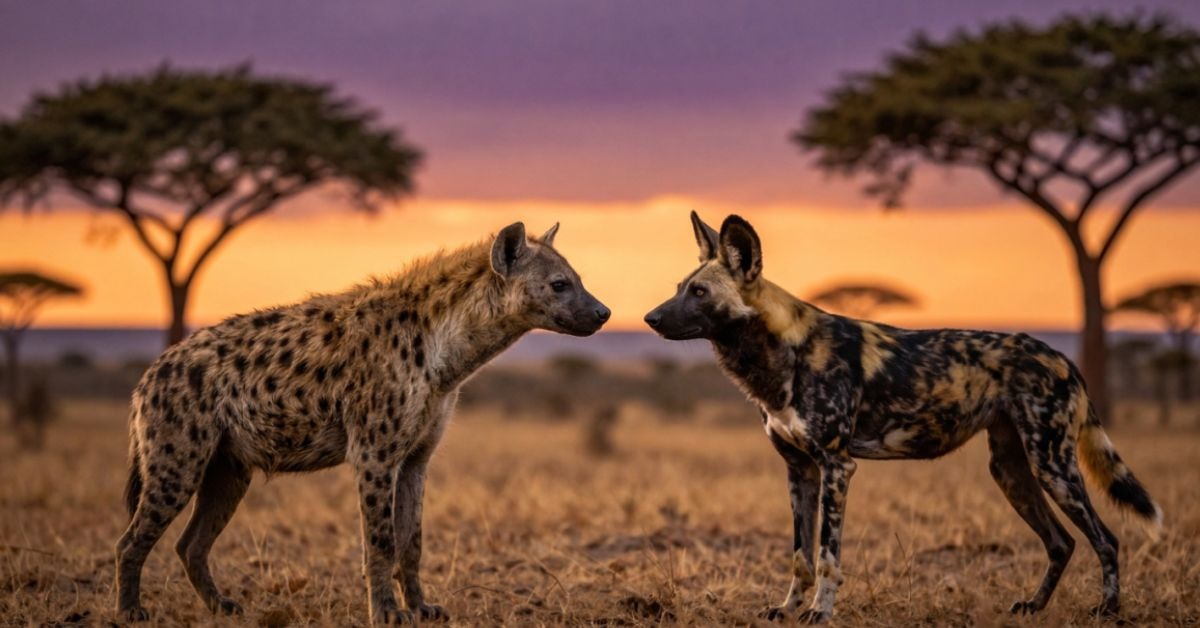
Physical Traits: The Painted Wolf vs The Bone Crusher
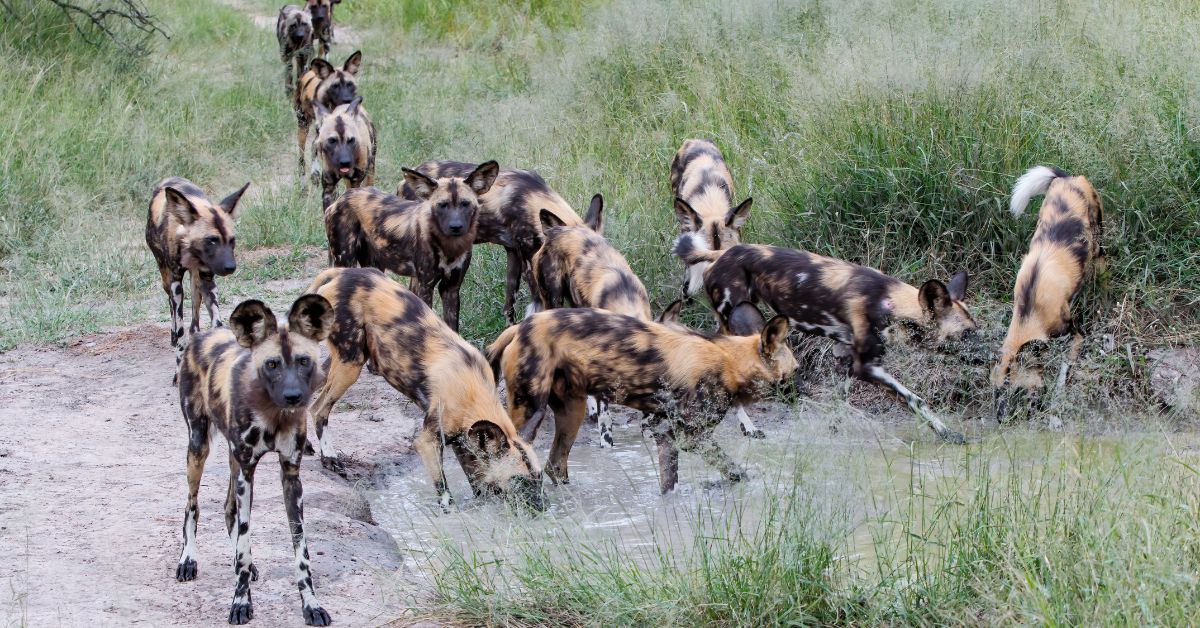
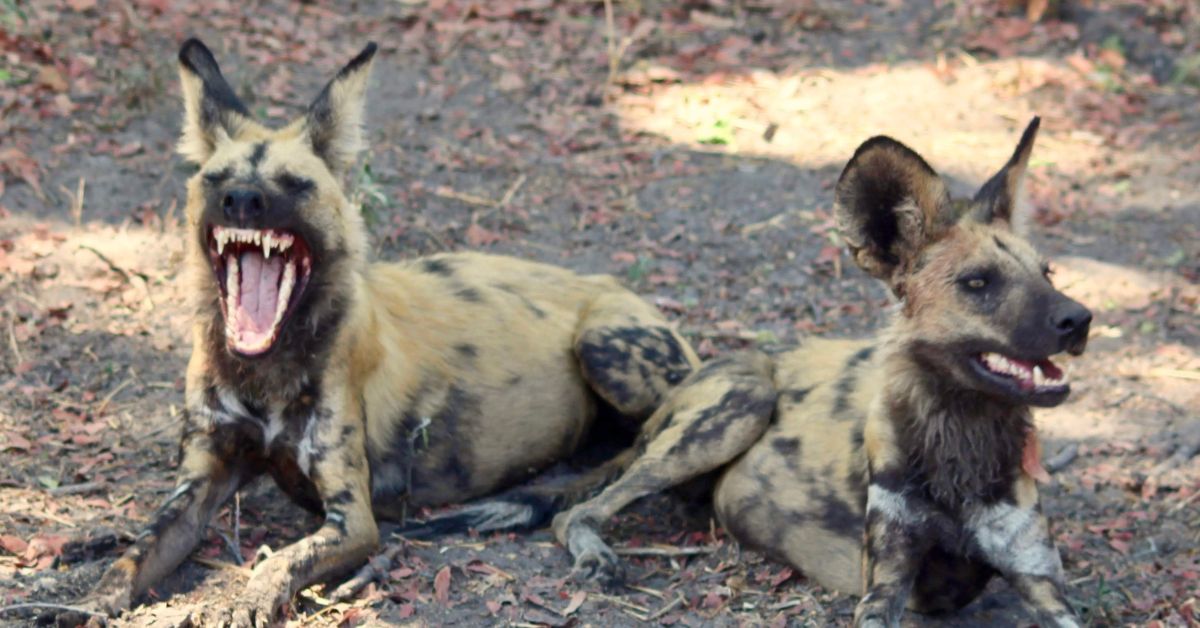
African wild dogs, often called painted wolves, are simply stunning. They sport a unique coat of mottled black, white, brown, and yellow patches. Think of it as nature’s custom camouflage! No two dogs look exactly alike, which helps them identify each other in the bush. Standing about 75 centimeters tall, they are lean, incredibly muscular, and built for pure endurance. With long legs and a super efficient heart, they can sprint up to 44 miles per hour and sustain high speed chases much longer than other predators. Plus, they only have four toes on each paw, a very unique canine quirk.
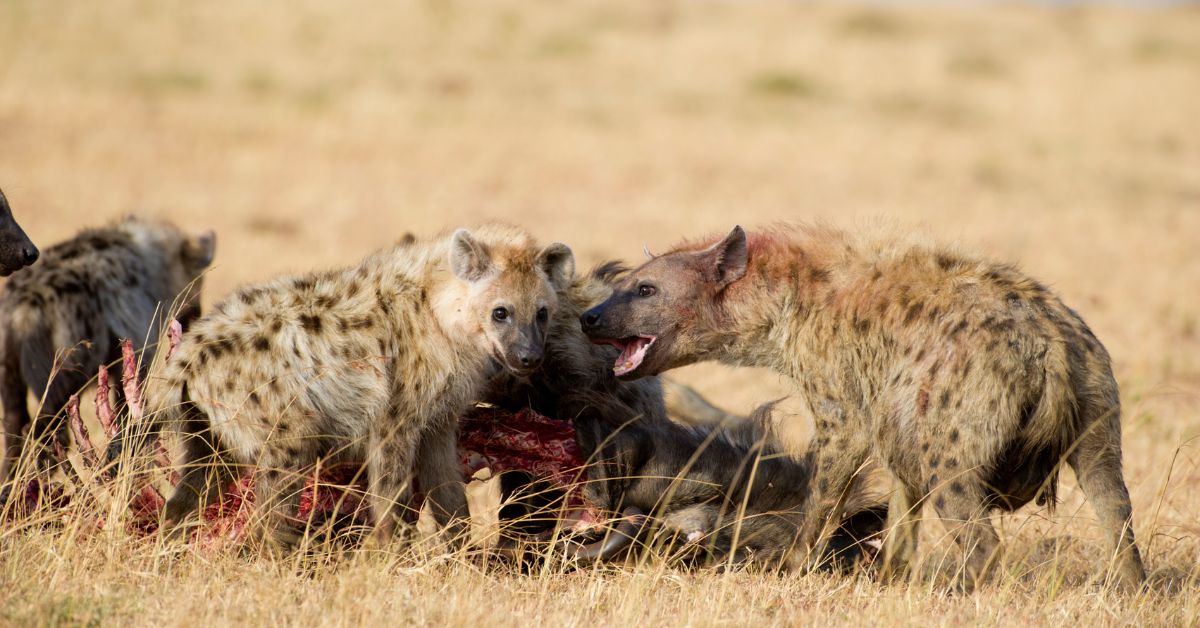
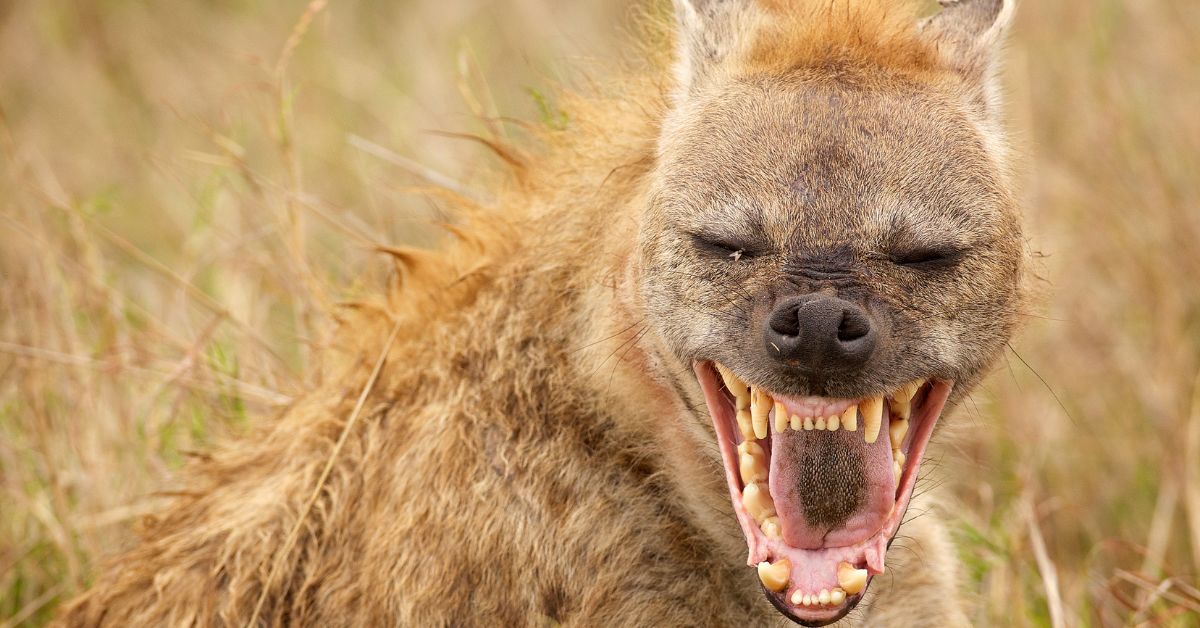
Hyenas, specifically spotted hyenas, have a totally different build. They are robust, stocky, and incredibly powerful. Interestingly, the females are usually larger than the males, which is quite rare in the animal world. They slope downwards from their strong shoulders to their hindquarters, giving them a very distinct walk. But do not let that fool you. Their thick necks support massive heads equipped with some of the most powerful jaws on earth, allowing them to crush and digest solid bone, leaving almost nothing behind.
Pack Life: Teamwork Makes the Dream Work
When it comes to social structure, African wild dogs are all about harmony and teamwork. They live in tight knit packs usually ranging from 10 to 15 members, led by an alpha pair who are typically the only ones to breed. The entire pack pitches in to raise the pups, even regurgitating food for the little ones after a hunt. You will often see them grooming each other and communicating with high pitched chirps and distinctive hoo calls to keep the family strongly bonded.
Hyenas also have an incredibly complex social life, but it is far more competitive. They live in large groups called clans, which can have up to 80 members. These clans are strictly ruled by a matriarch, and her cubs inherit her royal status. Life in a hyena clan involves a lot of politics, scent marking, and body language to maintain order. They also have a wide range of vocalizations, including their famous laugh, which actually signals excitement or submission rather than humor.
The Hunt: Strategy vs Stamina
Watching African wild dogs hunt is like watching a masterclass in strategy. They are highly organized and work together flawlessly. They rely on their numbers and incredible speed to exhaust medium sized prey like impalas and gazelles. During a chase, pack members take turns leading the pursuit so no single dog gets too tired. Once they catch their meal, they eat rapidly and share it peacefully among the pack.
Hyenas get a bad reputation as mere scavengers, but they are actually phenomenal hunters. Spotted hyenas can take down huge prey like zebras and buffalo. They do not rely on stealth; instead, they use their incredible stamina to run their target to the point of total exhaustion. Reaching speeds of 37 miles per hour, they chase relentlessly. Once the prey is down, those bone crushing jaws go to work.
Face to Face: When Dogs and Hyenas Clash
Because they share the exact same habitats and hunt similar prey, these two predators cross paths frequently. The relationship is intensely competitive and often violent. Hyenas are notorious for shadowing wild dog packs, waiting for the canines to do the exhausting work of making a kill. Once the prey is down, the hyenas swoop in to steal the meal. This constant threat of thievery is exactly why wild dogs eat their food so rapidly!
If only a single hyena or a small group shows up, a large pack of wild dogs will absolutely fight back. They use their coordinated teamwork to bite at the hyenas from all angles, harassing and chasing the intruders away. However, if a massive clan of hyenas arrives in full force, the dogs are usually outmatched. The superior size, bulk, and crushing bite of the hyenas force the dogs to retreat and surrender their hard earned prize.
Habitats and Survival
You will generally find African wild dogs roaming the savannahs, grasslands, and open woodlands of sub Saharan Africa, especially in protected areas like the Okavango Delta and Kruger National Park. They need massive territories to support their active hunting lifestyle. Sadly, they are highly endangered, with experts estimating that only roughly 6,600 individuals remain in the wild. Habitat loss and diseases spread by domestic animals have drastically reduced their numbers over the years.
Hyenas are far more adaptable. They thrive in savannahs, forests, and even mountainous regions across the continent. Because they can hunt and scavenge, they can survive in areas where wild dogs might struggle. While spotted hyenas are currently listed as a species of least concern, they still face threats from habitat fragmentation and conflicts with local communities.
The Verdict
So, who truly rules the wild? It is incredibly hard to pick a winner! African wild dogs showcase the beautiful power of teamwork, altruism, and strategic brilliance. Hyenas prove that adaptability, brute strength, and resilience are just as vital for survival. Both of these spectacular animals play irreplaceable roles in keeping the African ecosystem healthy and balanced. The real victory is getting to witness them both thriving in their natural habitats.