
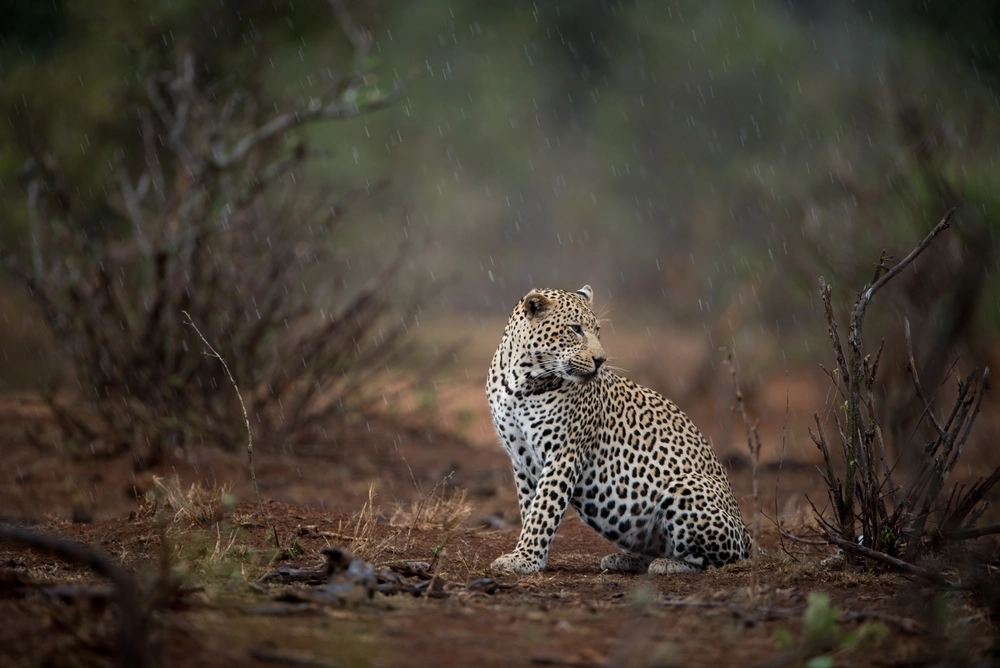
Welcome to the fascinating world of leopards, where mystery and majesty intertwine to create one of nature’s most captivating creatures. With their striking rosette patterns and sleek, agile movements, leopards have captured the imaginations of people around the globe.
In this article, we will delve deep into the secrets of these magnificent big cats, unveiling their hidden behaviors, remarkable adaptability, and their vital role in maintaining the delicate balance of ecosystems.
From the sprawling savannahs of Africa to the dense jungles of Asia, leopards have managed to conquer diverse habitats, showcasing their impressive hunting skills and uncanny ability to camouflage themselves in their surroundings.
Join us as we explore the world of leopards, uncovering the adaptations that have made them such successful predators, the challenges they face in the wild, and the conservation efforts being undertaken to protect these incredible creatures. Get ready to be captivated by the sheer beauty and enigmatic nature of leopards – nature’s true marvels.
Physical characteristics
Leopards are one of the most distinctive and recognizable big cats in the world. These magnificent felines are characterized by their sleek, muscular bodies and their striking spotted coats, which serve as a highly effective camouflage in their natural habitats.
One of the most notable features of leopards is their powerful build, with strong, well-developed limbs that allow them to climb trees with ease and leap great distances in pursuit of prey. Their broad, flat heads and sharp, retractable claws are further adaptations that enable them to be successful predators.
The size of leopards can vary considerably depending on their geographic location, with those found in Asia generally being larger than their African counterparts. On average, male leopards can weigh up to 90 kilograms (200 pounds), while females are typically smaller, weighing around 60 kilograms (130 pounds). Their coat patterns, while predominantly yellow or tan with distinctive black rosettes, can also range in color from nearly black to almost white, depending on the environment in which they live.

Habitat and distribution
Leopards are remarkably adaptable creatures, able to thrive in a wide range of habitats across Africa and Asia. From the arid savannas of sub-Saharan Africa to the dense, tropical rainforests of Southeast Asia, these big cats have managed to establish themselves in diverse ecosystems.
In Africa, leopards can be found in a variety of habitats, including grasslands, woodlands, and mountainous regions. They are particularly prevalent in the savannas and scrublands of southern and eastern Africa, where their spotted coats provide excellent camouflage among the vegetation.
In Asia, leopards have a more extensive range, with populations found in the Caucasus Mountains, the Himalayas, and the dense jungles of Southeast Asia. The Amur leopard, found in the Russian Far East, is considered one of the rarest and most endangered subspecies, with only a few hundred individuals remaining in the wild.
Regardless of their geographic location, leopards share a common preference for areas with ample cover, such as dense thickets, rocky outcrops, and tall grasses, which allow them to ambush their prey and evade potential threats. Their ability to adapt to a wide range of environments has been crucial to their long-term survival and success as a species.
Hunting and feeding habits
Leopards are renowned for their exceptional hunting skills and their diverse dietary preferences. These apex predators are solitary and primarily nocturnal, using their exceptional night vision and stealth to locate and capture a wide range of prey.
One of the most striking characteristics of leopards is their ability to climb trees, which they use to their advantage when hunting. They often drag their prey up into the branches, where they can feed in relative safety and store the carcass for later consumption. This behavior is particularly common in areas where larger predators, such as lions or hyenas, may attempt to steal their hard-earned meals.
Leopards are opportunistic hunters, preying on a variety of animals, including deer, antelope, wild boar, monkeys, and even smaller predators like jackals and foxes. Their powerful jaws and sharp teeth allow them to kill prey quickly, often by delivering a lethal bite to the neck. In addition to their hunting prowess, leopards are also known to scavenge, feeding on the remains of animals killed by other predators.
Despite their impressive hunting abilities, leopards are not immune to the challenges of their environment. They must constantly adapt to changes in prey availability and competing predators, often resorting to more versatile hunting strategies to ensure their survival. This adaptability is a key factor in the leopard’s success as a species.
Reproduction and life cycle
Leopards are solitary and territorial animals, with males and females typically only coming together for the purpose of mating. The breeding season for leopards can vary depending on their geographic location, but it generally occurs during the dry season, when food and water resources are more scarce.
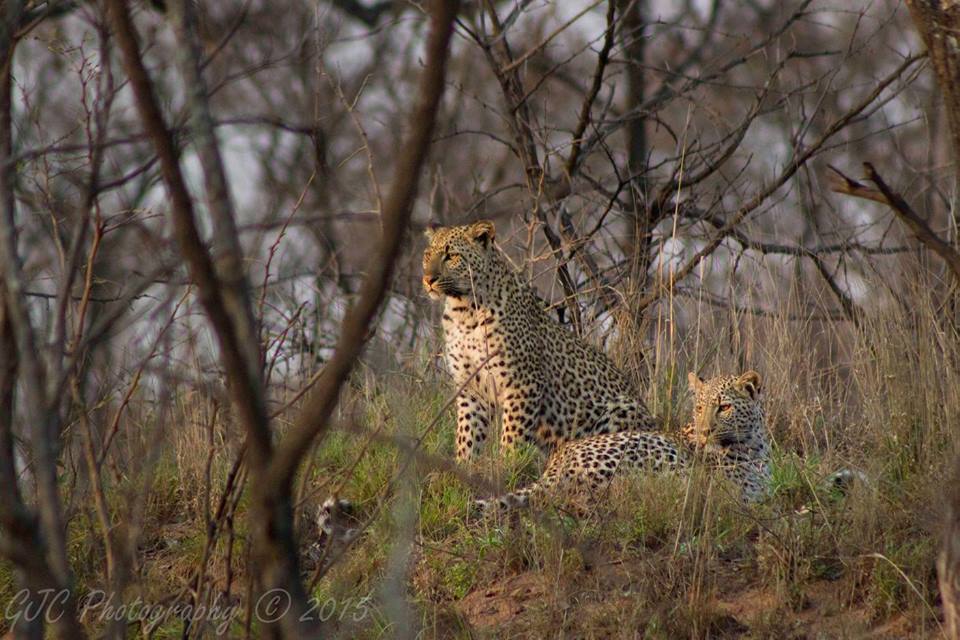
After a gestation period of approximately 90-105 days, female leopards give birth to a litter of 1-4 cubs, typically in a secluded den or a tree hollow. The newborn cubs are born blind and helpless, relying on their mother’s care and protection for the first few months of their lives.
As the cubs grow, they gradually become more independent, learning to hunt and defend themselves under the watchful eye of their mother. Leopard mothers are fiercely protective of their young, often aggressively defending their cubs from potential threats, including larger predators and even human encroachment.
Leopards reach sexual maturity at around 2-3 years of age, and their lifespan in the wild can range from 12 to 15 years, although they have been known to live up to 20 years in captivity. Throughout their lives, leopards maintain a solitary existence, with males and females only coming together briefly during the mating season before going their separate ways.

Threats and conservation status
Despite their adaptability and resilience, leopards face a number of threats to their long-term survival. Habitat loss and fragmentation, driven by human activities such as deforestation, urbanization, and agricultural expansion, are among the primary challenges facing these big cats.
As their natural habitats continue to shrink, leopards are increasingly forced to venture into human-dominated areas, leading to increased conflict with local communities. Retaliatory killings, poaching for their valuable fur and body parts, and vehicle collisions on roads and highways all contribute to the decline of leopard populations worldwide.
The conservation status of leopards varies across their range, with some subspecies, such as the Amur leopard, being classified as Critically Endangered by the International Union for Conservation of Nature (IUCN). Other subspecies, such as the African leopard, are listed as Vulnerable, indicating that they are at risk of becoming endangered in the near future.
To combat these threats, conservation efforts have been implemented in various regions, including the establishment of protected areas, anti-poaching patrols, and community-based initiatives to promote coexistence between leopards and humans. Education and awareness campaigns have also played a crucial role in garnering public support for leopard conservation.
Interactions with humans: conflict and coexistence
The relationship between leopards and humans has often been complex, marked by both conflict and, in some cases, coexistence. As human populations have expanded and encroached upon leopard habitats, the potential for clashes between the two has increased, leading to a range of challenges.
One of the primary sources of conflict arises when leopards prey on livestock, which can have significant economic impacts on local communities. In response, some communities have resorted to retaliatory killings, further exacerbating the decline of leopard populations. To mitigate these conflicts, conservation efforts have focused on implementing measures such as improved livestock management, the use of deterrents, and compensation schemes for farmers who have suffered livestock losses.
However, in certain regions, leopards and humans have managed to coexist, with the big cats even becoming integrated into the cultural and spiritual traditions of local communities. In some parts of India, for example, leopards are revered as sacred animals, and their presence is seen as a sign of a healthy ecosystem. These positive perceptions have helped to foster a sense of stewardship and a desire to protect leopards and their habitats.
As we continue to grapple with the challenges of human-wildlife coexistence, it is crucial that we find ways to balance the needs of both leopards and the communities that share their environment. Through a combination of scientific research, community engagement, and sustainable land-use practices, we can work towards a future where leopards and humans can thrive together.
Unique behaviors and adaptations
Leopards are renowned for their remarkable adaptations and unique behaviors that have enabled them to thrive in a wide range of environments. One of the most striking features of these big cats is their exceptional climbing ability, which they use to their advantage in both hunting and evading predators.
Leopards are skilled tree climbers, capable of effortlessly scaling tall trees and dragging their prey up into the branches. This behavior not only allows them to store their kills for later consumption but also provides them with a safe haven from larger predators, such as lions and hyenas, that may attempt to steal their hard-earned meals.
Another unique adaptation of leopards is their remarkable camouflage. Their spotted coats blend seamlessly into the dappled light and shadows of their natural habitats, making them nearly invisible to both their prey and potential threats. This remarkable camouflage, combined with their stealthy movements and keen senses, makes leopards formidable hunters, capable of ambushing their targets with lightning speed and precision.
Leopards are also known for their solitary nature and their ability to adapt to a wide range of environmental conditions. Unlike their social counterparts, such as lions, leopards prefer to live and hunt alone, using their exceptional hunting skills and adaptability to thrive in diverse habitats, from the arid savannas of Africa to the dense, tropical forests of Asia.
Famous leopards in history and literature
Throughout history and in the realm of literature, leopards have captured the imagination of people around the world. These majestic big cats have been the subject of countless legends, myths, and cultural traditions, often revered for their strength, agility, and enigmatic nature.
One of the most famous leopards in history is the “Man-Eating Leopard of Rudraprayag,” a notorious man-eater that terrorized the region of Rudraprayag in the Indian state of Uttarakhand during the early 20th century. This leopard, which was eventually killed by the renowned hunter and conservationist Jim Corbett, has become a symbol of the complex relationship between humans and leopards, and the dangers that can arise when their habitats overlap.
In literature, leopards have also featured prominently, often as symbols of power, grace, and the untamed wilderness. In Rudyard Kipling’s classic novel “The Jungle Book,” the character of Bagheera, a black panther, is a beloved and respected figure, embodying the wisdom and strength of the jungle. Similarly, in Ernest Hemingway’s “The Snows of Kilimanjaro,” the image of a leopard frozen at the summit of Mount Kilimanjaro serves as a poignant metaphor for the transience of life and the enduring power of nature.
These literary and historical depictions of leopards have helped to solidify their place in the collective consciousness of people around the world, inspiring awe, reverence, and a deeper appreciation for these remarkable animals. As we continue to learn more about the fascinating world of leopards, these iconic representations will undoubtedly continue to captivate and inspire us.
Conclusion: Appreciating the beauty and importance of leopards in the natural world
As we have explored in this article, the world of leopards is a captivating and complex one, filled with remarkable adaptations, unique behaviors, and a deep-rooted connection to the natural world. These magnificent big cats have captured the imagination of people for centuries, and their continued survival is a testament to their resilience and adaptability.
However, as we have also seen, leopards face a range of threats, from habitat loss and fragmentation to human-wildlife conflict and poaching. It is our responsibility, as stewards of the natural world, to ensure that these incredible creatures continue to thrive and play their vital role in maintaining the delicate balance of ecosystems around the globe.
Through conservation efforts, community engagement, and a deeper appreciation for the beauty and importance of leopards, we can work towards a future where these majestic animals can coexist alongside human communities, their presence a testament to the richness and diversity of our planet.
By protecting leopards and their habitats, we not only safeguard the future of these incredible creatures but also preserve the intricate web of life that sustains us all.
As we bid farewell to the fascinating world of leopards, let us remember the awe and wonder that these animals inspire, and let that drive us to be better caretakers of the natural world. For in doing so, we not only honor the legacy of these magnificent big cats but also ensure that their legacy will continue to captivate and inspire generations to come.