
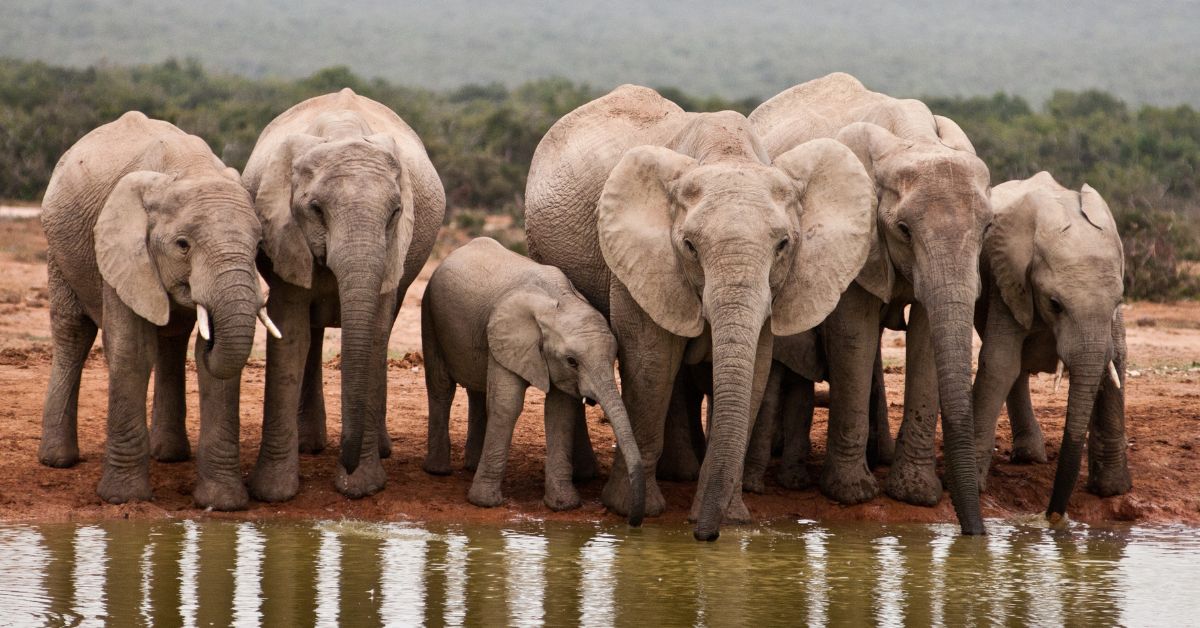
Elephants in Africa: The African bush has a rhythm, a heartbeat that dictates how everything from the tiniest dung beetle to the grandest acacia tree survives. At the very center of this rhythm stands the African elephant. They aren’t just residents of the savannah; they are its architects.
When you see an elephant effortlessly snap a mopane branch or uproot a stubborn shrub, it looks like raw destruction. In reality, it’s master gardening. By clearing dense thickets, elephants open up dense woodlands into sunlit savannahs, allowing grasses to grow and giving grazing species like zebras and impalas a place to feed. During brutal droughts, their heavy feet and powerful tusks excavate dry riverbeds, uncovering hidden water pockets that keep entire ecosystems alive. Even their digestion shapes the landscape; elephants act as long-distance seed couriers, depositing nutrient-rich dung that serves as the perfect starter kit for the next generation of flora.
Nature's Masterpiece: Anatomy of a Elephants in Africa
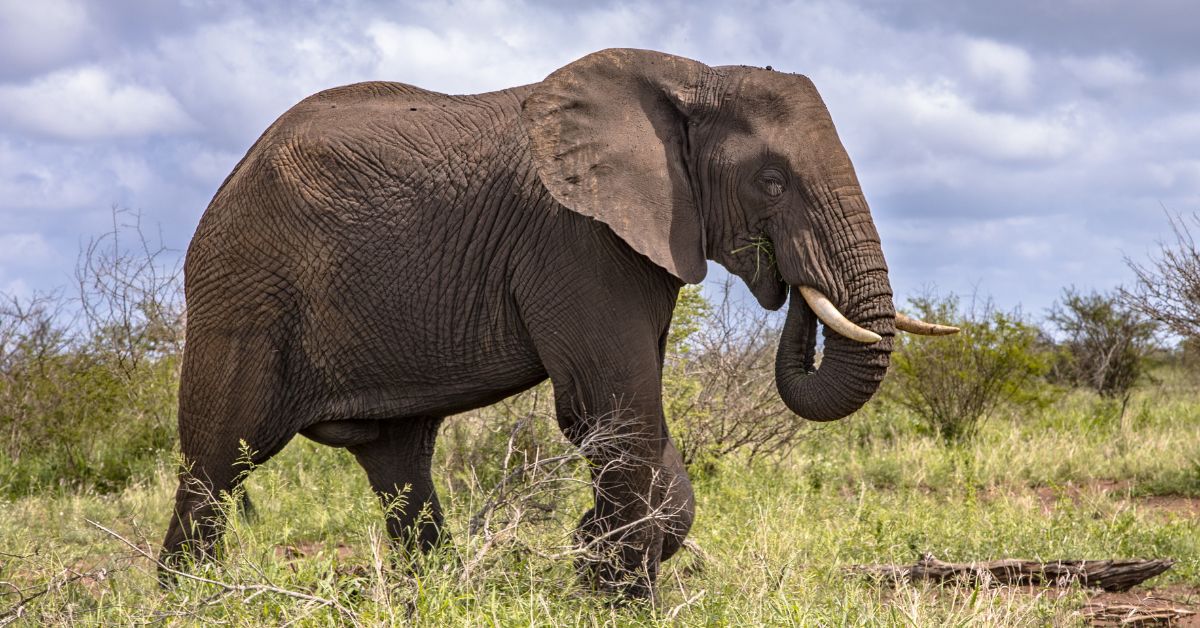
To survive the unforgiving African elements, elephants evolved some of the most specialized anatomy on earth. Consider the sheer scale: an adult bull can tip the scales at up to 6,800 kilograms. Supporting this weight requires massive, pillar-like legs, but their feet are surprisingly padded with fatty tissue that acts as a shock absorber, allowing them to move through the bush with an eerie, near-silent grace.
| The Anatomy of Survival | |
|---|---|
| Trunk | Over 40,000 muscles; functions as a nose, arm, hose, and delicate tool for social bonding. |
| Ears | Act as natural radiators, cooling blood vessels by up to 5°C to regulate intense body heat. |
| Wrinkled Skin | Micro-valleys trap mud and moisture, holding up to 10x more water than smooth skin. |
| Camouflage | Dust-coated grey skin mimics rocky, shadowed landscapes, rendering them invisible in the brush. |
Inside the Herd: Empathy, Infrasound, and Intellectuals
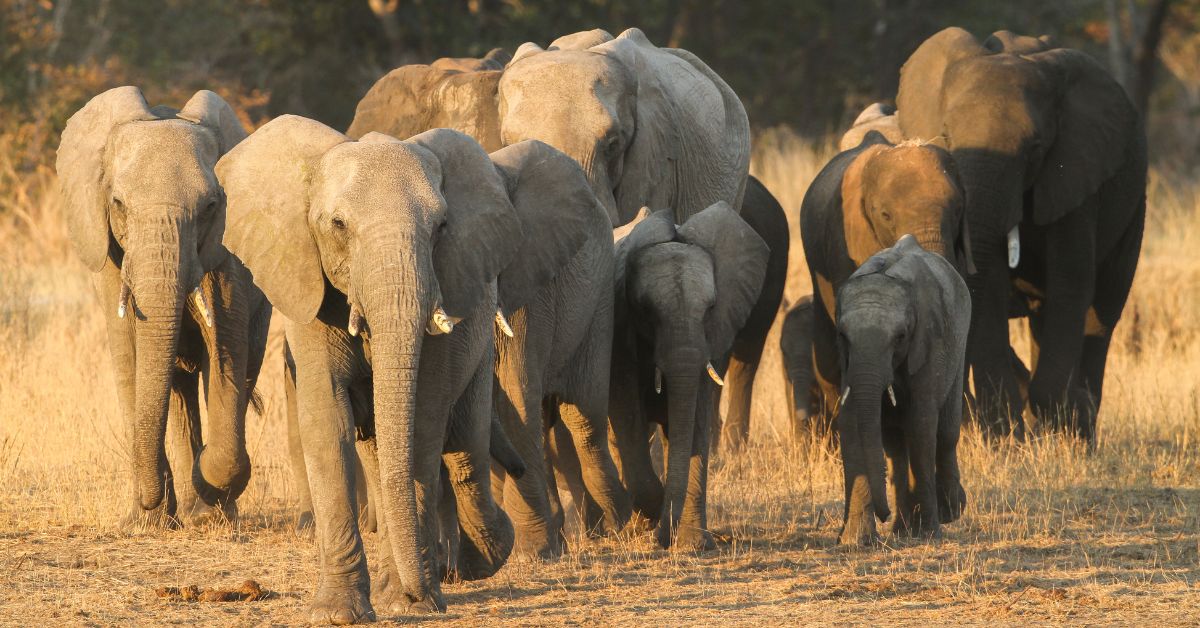
If you want to understand the true magic of elephants, you have to look past their size and look at their minds. Elephant society is built entirely on the shoulders of experience. Herds are fiercely matriarchal, guided by the oldest, wisest female. She carries a mental map of the landscape built over decades, knowing exactly where to find water when rivers dry up and how to navigate around danger.
The emotional depth within these families rivals our own. When a calf is born, the entire herd celebrates; when a member dies, they have been observed standing in silent vigils, gently touching the bones of the deceased.
Their communication is just as complex. While we often hear their triumphant trumpets on safari, their most profound conversations happen right beneath our feet. Elephants generate low-frequency rumbles, infrasound, that travel through the earth for kilometers. Other elephants detect these seismic vibrations through the sensitive pads of their feet, allowing herds to coordinate movements and share warnings long before they ever see each other.
The Modern Battleground: Threats to the Wild
Despite their status as icons of the wild, African elephants are facing a quiet crisis. The dark shadow of poaching for the illegal ivory trade still looms large over many populations, tearing apart family structures and removing vital genetic lines.
Yet, an equally devastating threat is the shrinking map. As human towns, farms, and infrastructure expand, ancient migratory paths are being cut off by fences and asphalt. This habitat fragmentation creates an inevitable flashpoint: human-elephant conflict. Hungry herds, following paths their ancestors walked for centuries, stumble into community crops overnight. For a subsistence farmer, a single elephant raid can wipe out a year’s food supply in hours, leading to retaliatory killings that hurt both wildlife and people.
Climate change acts as a force multiplier here. Erratic weather patterns and prolonged dry spells push desperate herds closer to human settlements in a high-stakes search for water, escalating an already tense relationship.
Conservation and the Power of Ethical Tourism
Saving Africa’s elephants isn’t just about drawing lines on a map and deploying anti-poaching units; it’s about changing human perspectives. Groundbreaking initiatives like Kenya’s Amboseli Elephant Research Project and Save the Elephants utilize advanced satellite tracking to map corridors, helping communities build fences that keep elephants out of farms safely.
This is where conscious safari tourism becomes a lifeline. When a community sees tangible financial benefits from a nearby eco-lodge, through steady employment, education funding, and localized healthcare, wildlife stops being viewed as a threat and starts being viewed as an asset worth protecting.
Folklore and the Cultural Tapestry
Long before Western travelers fell in love with safaris, elephants were woven deeply into the spiritual fabric of the continent. Across West and Southern Africa, tribal lore honors the elephant as a symbol of unshakeable wisdom, patience, and ancestral power.
In many cultural fables, the elephant is portrayed not as a brute force, but as a fair judge and a gentle protector of the weaker forest creatures. These stories weren’t just entertainment; they were traditional blueprints for conservation, instilling a deep-seated respect that kept humans and wildlife in balance for generations.
The Horizon Ahead
To watch a herd of elephants cross the golden expanse of the African savannah as the sun dips below the horizon is to witness something ancient and perfect. They are a reminder of a wild world that we cannot afford to lose. By supporting ethical operators, respecting local community dynamics, and funding transparent conservation projects, we ensure that the true monarchs of the bush keep walking for centuries to come.
Kruger Matriarch: Ecosystem Simulator
Step into the footsteps of a herd's Matriarch. Can your choices keep the African Savannah balanced?
Lead Your Herd
Elephants are "natural gardeners" and keystone species. As the oldest, wisest female, your choices impact plant diversity, water access, and the survival of dozens of other wildlife species.