
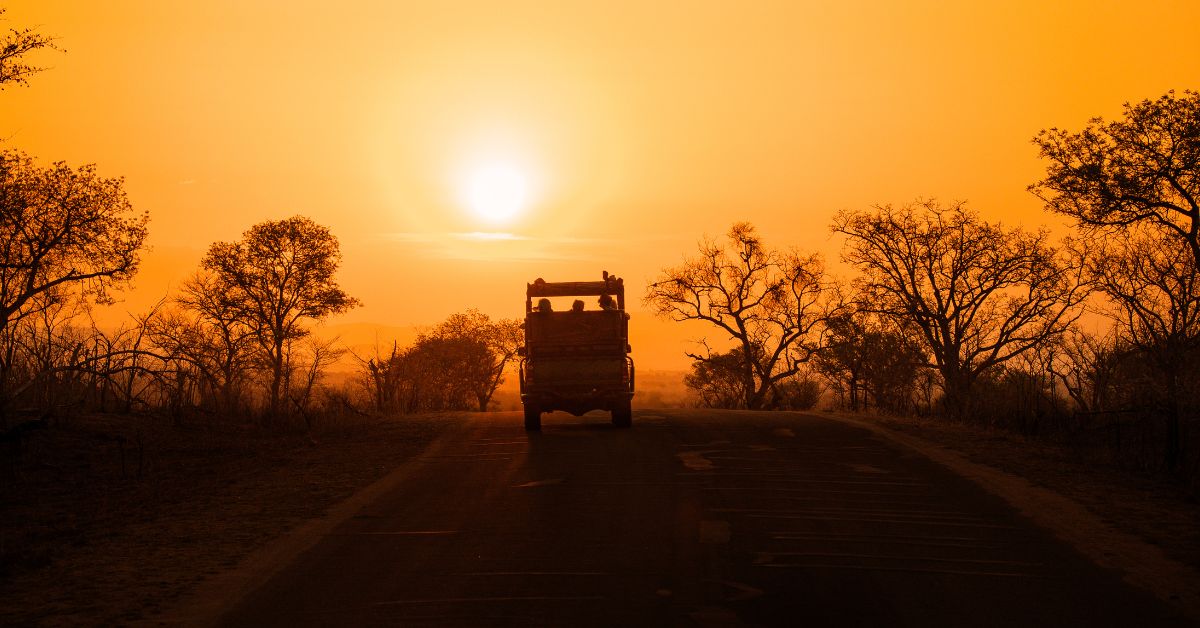
Embarking on an independent journey through South Africa’s premier wildlife reserve requires more than just a sense of adventure; it demands strict logistical planning. Relying on an accurate Kruger National Park route map is the foundation of a successful safari, transforming an unpredictable drive into a highly rewarding wildlife expedition. Spanning nearly 2 million hectares, this massive conservation area changes dramatically from south to north, with distinct changes in vegetation types, terrain structures, and wildlife distribution patterns.
Failing to plan your transit times accurately across these vast distances can leave you stranded after hours, facing steep fines from park authorities.
To help you visualize the physical landscape before you even turn the ignition key, we have provided a detailed regional matrix directly below.
| Kruger Regional Breakdown | |
|---|---|
| Southern Region | Thick bushwillow and acacia woodlands split by granite kopjes. High density of leopards, rhinos, and elephants. |
| Central Region | Wide, sweeping basalt grasslands. The ultimate hunting ground for large lion prides tracking zebra and wildebeest herds. |
| Northern Sandveld | Arid Mopane shrublands and giant Baobab forests. Famous for massive elephant bulls and rare antelope species like eland. |
| Far North Pafuri | A lush riverine forest paradise. The uncontested hotspot for bird watchers seeking rare tropical species. |
Demystifying the Kruger National Park Route Map Regions
Understanding the visual data within your Kruger National Park route map means recognizing how the landscape shifts as you move across the underlying geology. The southern region is heavily dominated by thick bushwillow and acacia woodlands split by prominent granite kopjes. This dense cover provides an ideal habitat for browsing rhinos and stealthy leopards, though the thick vegetation requires slower, more deliberate driving to spot animals hidden in the brush.
As you head north past the Olifants River, the environment transitions into the wide, sweeping basalt grasslands of the central plains. This open landscape makes game spotting significantly easier, functioning as the primary hunting ground for large lion prides tracking moving herds of blue wildebeest and zebras. Further north still, the soil shifts to arid sands, giving rise to specialized mopane shrublands and ancient baobab forests where massive elephant bulls and rare antelope species thrive.
To map out your specific drive, calculate precise drive times between these eco-zones, and filter your favorite wildlife targets, use our custom tracking panel located below.
Conservation note: Sensitive species locations — including all rhino — are intentionally omitted from this map to protect wildlife from poaching risk. For responsible wildlife encounters, always book through SANParks-accredited operators such as Nhongo Safaris.

The 5 Vital Rules of Lowveld Navigation
While our tracking software helps optimize your transit lines, you must follow the strict legal rules of the road enforced by park rangers to ensure a safe, hassle-free safari.
1. Respect the Radar Caps: The absolute maximum speed limit within the park boundaries is 50 km/h on tarred roads and 40 km/h on gravel loops. These limits are strictly enforced by speed traps to protect wildlife from vehicle collisions.
2. Monitor the Gate-Clock Closely: All entrance gates and rest camp perimeters operate on strict, seasonally adjusted opening and closing hours. Plan your day loops to arrive back at your destination well before the final siren to avoid major fines.
3. Maintain Vehicle Boundaries: You are strictly forbidden from exiting your vehicle on any road loop. Stepping out of your car is only permitted inside clearly marked, fenced rest camps, designated bird hides, or authorized picnic points.
4. Give Elephants the Right of Way: Heavy bulls and breeding herds always maintain absolute right of way on all tracks. If encountered on a narrow loop, cut your engine, keep a safe distance, and never rev your motor or blow your horn.
5. Keep to the Proclaimed Tracks: Off-road driving is completely illegal and carries immediate eviction penalties. Straying from the marked trails damages sensitive topsoil and disrupts critical ground-nesting bird habitats.
Maximizing Your Wildlife Sighting Returns
To get the most out of your journeys, combine your map work with patience and tracking strategy. Avoid the temptation to race between distant rest camps in a single morning. Instead, pick a specific region and focus on tracking slowly along loops that follow seasonal riverbeds like the Sabie or Crocodile rivers, where wildlife naturally gathers.
Early morning drives, right when the camp gates open, offer your best opportunity to intercept nocturnal predators like lions, leopards, and spotted hyenas before they retreat into deep shade for the day. Keep a close eye on the tree line for telltale warning signs, such as the sharp alarm calls of chacma baboons or the focused stares of impala herds, which often point directly to a predator moving through the grass.
By respecting the regulations of the park and managing your travel times properly, you can enjoy a safe, smooth, and unforgettable self-drive adventure across one of the world’s greatest wild frontiers.
General FAQs
Kruger National Park is one of Africa’s largest game reserves, located in northeastern South Africa. Established in 1898, it spans nearly 2 million hectares (about 19,485 square kilometers) and is renowned for its incredible biodiversity, including the "Big Five" (lion, leopard, rhinoceros, elephant, and buffalo).
Visitors to Kruger can expect to see a wide variety of wildlife, including the Big Five, as well as cheetahs, giraffes, zebras, hippos, crocodiles, and over 500 bird species. The park’s diverse ecosystems support more than 147 mammal species and a rich array of reptiles and insects.
The best time to visit depends on your preferences. The dry winter months (May to September) are ideal for game viewing as animals gather around water sources and vegetation is less dense. The wet summer months (October to April) bring lush scenery, migratory birds, and newborn animals, though wildlife may be harder to spot due to thicker foliage.
You can explore Kruger by self-driving in your own vehicle, joining guided game drives organized by the park or private lodges, or taking walking safaris with experienced rangers. There are also rest camps, picnic sites, and hides for viewing wildlife, with options ranging from budget-friendly to luxury accommodations.
No special permits are required to enter Kruger if you’re already in South Africa. However, international visitors need a valid passport, and some nationalities may require a visa to enter South Africa. Check South Africa’s visa requirements based on your country of origin before traveling.
Yes, Kruger is generally safe for tourists if you follow park rules, such as staying in your vehicle during game drives (except in designated areas) and respecting wildlife. Malaria is a risk in the region, so taking prophylactics and using insect repellent is recommended, especially during the rainy season.