
2026 Kruger Floods Impact and Recovery
Causes of the Flooding: A Multifaceted Crisis
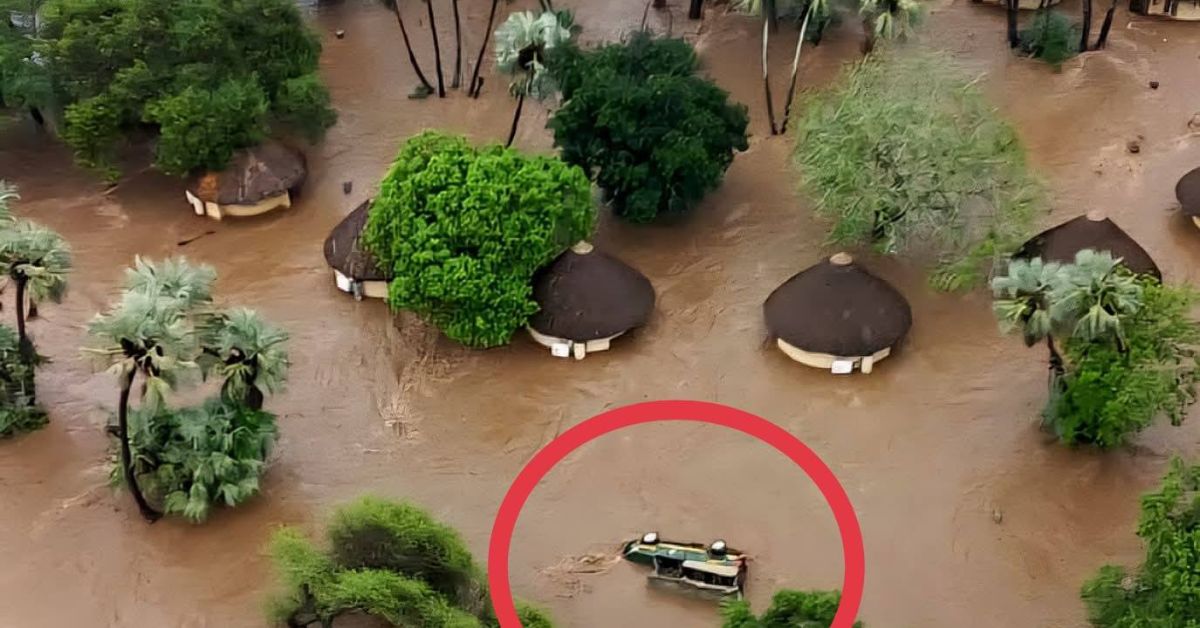
2026 Kruger National Park Floods: The causes of the 2026 floods were driven by an anomalous weather pattern, a slow-moving, cut-off low-pressure system that stalled over the Limpopo and Mpumalanga provinces. Some regions within the park received more than double their average annual rainfall in just two weeks, leading to record-breaking water levels in the Sabie, Olifants, and Letaba rivers.
Climate change acted as a significant multiplier. Rising global temperatures increased evaporation rates, creating a “charged” atmosphere capable of holding and dumping immense volumes of moisture. Combined with land-use changes and deforestation outside the park’s borders, the natural capacity for the soil to absorb runoff was overwhelmed, turning seasonal streams into violent torrents.

Rapid Response: How Kruger's Own Teams Led the Recovery
A key factor behind Kruger’s swift response was preparation already in motion. The park had been conducting an infrastructure vulnerability assessment following earlier flooding when the January 2026 waters began rising, giving park management a head start in assembling a disaster response team. SANParks’ own disaster management protocols kicked in immediately: rangers and staff moved fast to establish detour routes, close unsafe gates and gravel roads, and coordinate the evacuation of more than 500 guests and staff from camps including Letaba, Balule, Talamati, Shimuwini, Sirheni, and the Pafuri tented camp.
Remarkably, despite the scale of the crisis, no lives were lost among park visitors or staff, and, perhaps most tellingly, not a single animal carcass was found in the aftermath. Most wildlife appears to have sensed the danger well ahead of time, instinctively moving to higher ground before the rivers burst their banks.
Immediate Impact on Wildlife and Ecosystems
The immediate impact was a test of survival. While a viral video of a mother elephant pushing her calf to safety through the raging Sabie River captured the world’s attention, the overall loss of “Big Five” life was remarkably low. Most animals instinctively sensed the barometric pressure drops and moved to higher-lying ridges long before the banks burst.
The floods also initiated a strategic “rewilding” opportunity. The sheer force of the water assisted in the removal of man-made dams, such as the Kanniedood and Sirheni dams. Removing these structures helps restore natural river flow and prevents the artificial concentration of animals, making the ecosystem more resilient to future extreme weather.

Kruger Infrastructure Damage Updates: Rebuilding the Gateway
The financial toll on infrastructure has climbed as assessments have continued, initial January estimates put the damage at over R500 million, but by August 2026 the confirmed repair bill had reached R949.86 million, roughly double the early figure, according to South Africa’s Department of Forestry, Fisheries and the Environment.
Shingwedzi Rest Camp: Officially reopened on March 6, 2026, after extensive restoration of guest rondavels and electrical systems.
Letaba High-Level Bridge: Fully reopened, as confirmed by SANParks in August 2026, restoring the vital artery between the central and northern regions.
The H4-1 Route: The road between Skukuza and Lower Sabie remains a priority, with temporary bypasses currently being reinforced to ensure safe passage for safari vehicles.
The "Green Flush": Long-term Ecological Benefits
Despite the destruction, the 2026 floods have gifted the park a “Green Flush.” The massive influx of nutrient-rich silt deposited on the floodplains has triggered a super-bloom of high-protein grasses. This surge in vegetation is expected to lead to a significant “baby boom” among grazers like impala, zebra, and wildebeest over the 2026/2027 season, which in turn will support healthy predator populations.

Safe Safari Planning with Nhongo Safaris
As a leader in Kruger experiences, Nhongo Safaris has adapted all itineraries to ensure guest safety and optimal game viewing. Our guides utilize real-time “Flood-Alert” AI integrations and maintain constant communication with SANParks rangers.
Whether you are booked on a 3-Day Classic Safari or a 5-Day African Adventure, we have strategically rerouted to use open gates like Malelane and Paul Kruger, while avoiding restricted gravel roads. We are currently focusing on the high-ground ridges where predators have congregated to avoid the waterlogged valleys, offering some of the most unique leopard and lion sightings of the decade.
A Resilient Future
The 2026 floods were a stark reminder of nature’s power, but the recovery efforts have highlighted the resilience of the Kruger ecosystem. By leaning on AI-driven conservation and adaptive management, we are ensuring that the park remains a vibrant sanctuary. Kruger isn’t just recovering; it is transforming into a stronger, more natural version of itself.
Checking Current Access Before You Travel
Kruger’s recovery from the January 2026 floods is ongoing, and gate access, camp availability, and road conditions continue to change as repair work progresses, the confirmed repair bill has now reached R950 million, and some of the hardest-hit areas, including Letaba Rest Camp, are still being rebuilt. Because conditions can shift quickly, especially around seasonal rain, we recommend checking SANParks’ official park status updates directly before your trip, or simply asking your Nhongo Safaris guide, we stay in constant contact with SANParks rangers and always know the current picture on the ground.