Overview of Kruger National Park
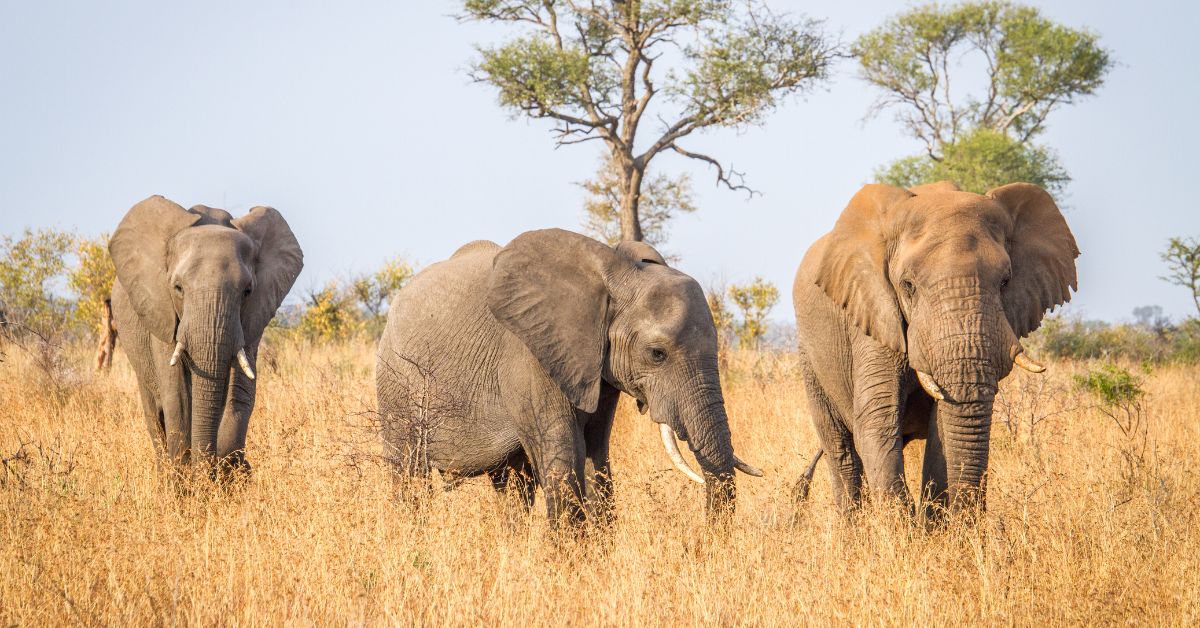
Kruger National Park Prices 2026: Kruger National Park, one of Africa’s largest game reserves, is a sanctuary teeming with wildlife and a must-visit destination for nature lovers and adventure seekers. Spanning nearly 19,485 square kilometers, this iconic park offers an unparalleled safari experience, allowing visitors to witness the Big Five, lions, leopards, rhinoceroses, elephants, and Cape buffaloes, in their natural habitat.
Official SANParks Conservation Fees (Nov 2025 – Oct 2026)
For the period of November 1, 2025, to October 31, 2026, SANParks has confirmed the following daily conservation fees. These fees are mandatory for every guest and are utilized for anti-poaching initiatives and habitat management.
2026 Daily Conservation Fees
| Visitor Category (2025 - 2026) | Adults (12+) | Children (2-11) |
|---|---|---|
| South African Citizens & Residents | R134 | R67 |
| SADC Nationals (with Passport) | R275 | R137 |
| International Visitors (Standard) | R602 | R300 |
*Rates valid until 31 October 2026. SADC and SA rates require valid ID/Passport proof upon entry.
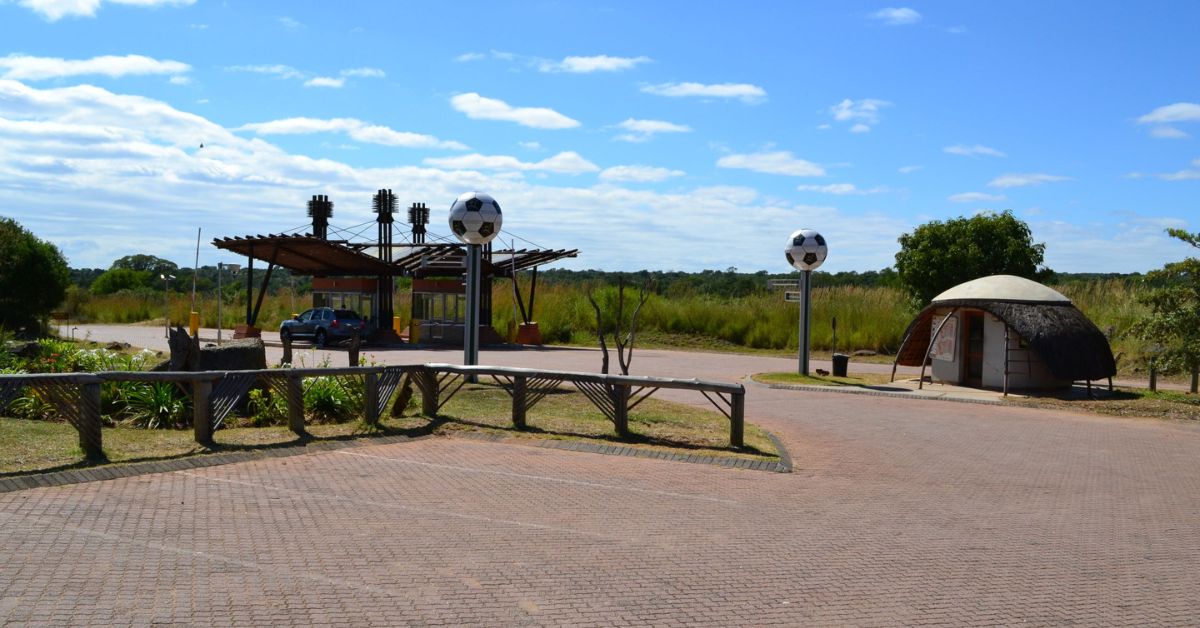
Pro Tip: If you are a day visitor, remember there is an additional non-refundable Admin/Booking Fee of approximately R59 per adult if you book your entry slot online in advance, highly recommended for peak seasons like December and July.
International vs. Local Rates: What’s the Difference?
Kruger National Park uses a tiered pricing system to ensure conservation remains affordable for locals while generating revenue from international tourism.
South African Citizens & Residents: This discounted rate is a privilege for those with a valid South African ID or residency permit.
SADC Nationals: Citizens of Southern African Development Community (SADC) countries, such as Botswana, Namibia, and Zambia, enjoy a mid-tier rate.
International Visitors: This standard conservation fee applies to all visitors traveling from outside of the SADC region.
Pro Tip: The Transfrontier Advantage Thanks to the Great Limpopo Transfrontier Park agreement, citizens of Mozambique and Zimbabwe visiting Kruger National Park qualify for the Local South African Resident rate rather than the higher SADC rate. Ensure you have your original passport ready at the gate to claim this high-value discount!
Vehicle Entry Fees and Additional Costs
Beyond individual conservation fees, there are specific charges for vehicles and small administrative levies that apply to all bookings. These costs are essential for the maintenance of the park’s road infrastructure and supporting local communities.
Vehicle Entrance Fees
Vehicle fees are charged per vehicle, per day, based on the type of vehicle entering the park. For the current period (valid until 31 October 2026), the standard rates are:
Standard Private Vehicles: R47.00 per vehicle.
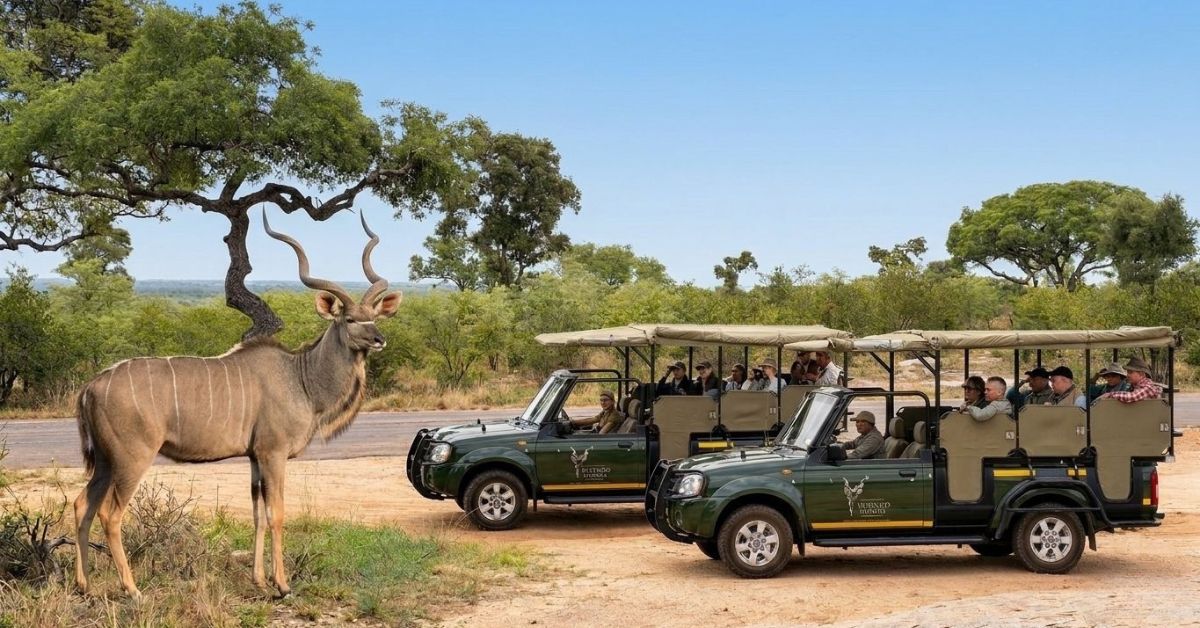
Open Safari Vehicles (OSVs): R47.00 per vehicle (This fee allows for early entry, 15 minutes before the public gates open, which is a major advantage for wildlife sightings).
Larger Vehicles & Buses: Rates increase based on the number of seats and the vehicle’s weight class. High-occupancy vehicles (26+ seats) face higher infrastructure impact fees.
Community Levy
A 1% Community Levy is added to all accommodation and activity reservations made through SANParks. This fund is used specifically to fund clinics, schools, and infrastructure projects in the communities living on the borders of the park. It is a mandatory philanthropic contribution that ensures local people benefit directly from tourism.
Overnight Guest "Check-In" Fees
If you are staying overnight in a rest camp, your conservation fees are typically settled at the camp reception during check-in. It is vital to keep your receipt (Conservation Permit) at all times. This document is required to obtain an Exit Permit at the gates; without a valid permit, you will not be allowed to leave the park.
Activity-Specific Costs
If you are not on a guided Nhongo Safari, additional costs for park-run activities include:
Morning/Sunset Game Drives: Guided by SANParks rangers. Price from R450 to R650 per person.
Guided Bush Walks: Specialized trails led by armed rangers. Price from R750 to R1,050 per person (Ages 12+ only).
Night Drives: The only way to explore the park after the gates close at sunset. Price from R450
Accommodation Costs: From Budget to Luxury
Kruger National Park offers a wide range of accommodation options. In 2026, expect the following price ranges for popular rest camps like Skukuza, Lower Sabie, and Satara:
| Accommodation Type | Price Range (Per Night) |
|---|---|
| Camping Sites Max 2 people |
R390 – R550 |
| Safari Tents Authentic bush experience |
R950 – R1,600 |
| Bungalows (Self-Catering) Standard & River-view units |
R1,850 – R3,500 |
| Luxury Guest Houses Large family units |
R6,500 – R12,000+ |
*Note: Accommodation prices vary based on the specific rest camp and proximity to the riverfront.
Comparing Prices: Why Kruger Wins in 2026
When comparing Kruger to private reserves like Sabi Sands or Timbavati, the “SANParks experience” remains significantly more affordable. While a luxury lodge in a private concession might cost R15,000+ per person per night, an overnight safari in the main park allows for a world-class experience at a fraction of the cost, especially when utilizing self-catering bungalows.
The Nhongo Safaris Advantage
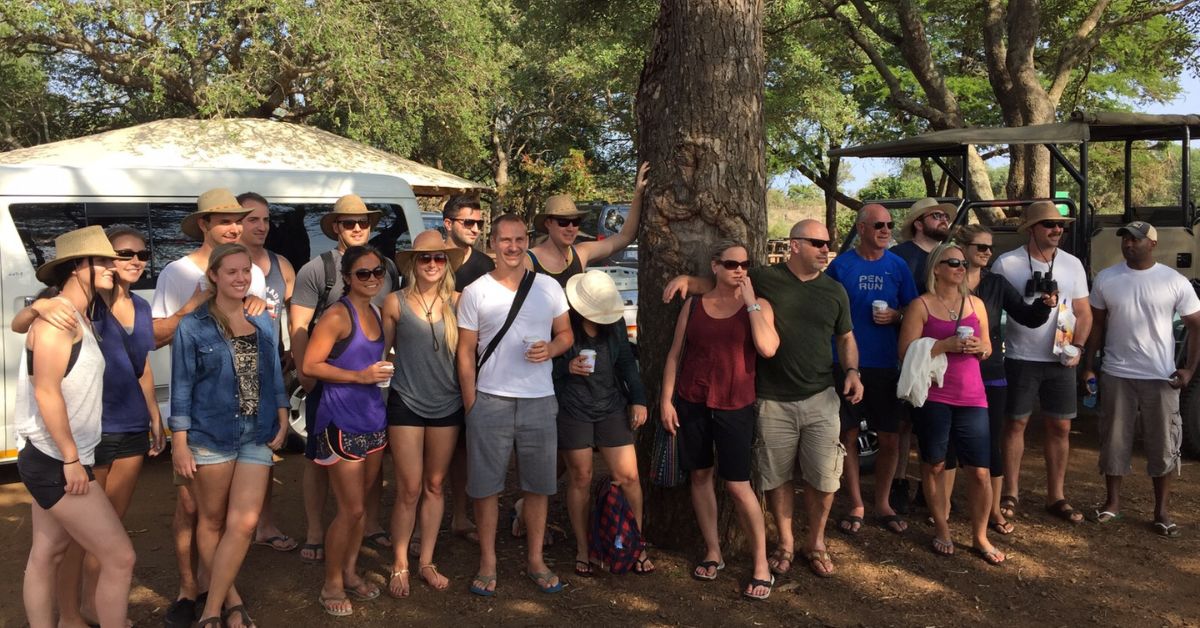
While self-driving is an option, many travelers in 2026 prefer all-inclusive packages to avoid the complexity of fluctuating daily fees and accommodation availability. Nhongo Safaris specializes in expert-led experiences that take the guesswork out of your budget. By booking a 3-day or 4-day safari, your SANParks conservation fees, professional guides, and rest camp accommodations are bundled into one transparent price, ensuring you secure entry during peak periods and travel in custom-built open safari vehicles.
Tips for Budgeting Your 2026 Trip
Use the Wild Card: If you are staying longer than 6 days, the International All-Parks Wild Card (~R4,680) pays for itself.
Self-Cater for Lunch: All major camps (Skukuza, Letaba, etc.) have well-stocked shops. Buying groceries and “braaing” for dinner can save a family thousands.
Travel Mid-Week: During 2026, mid-week stays often have better availability and occasionally lower rates in private lodges just outside the park gates.
Frequently Asked Questions (FAQ)
Can I pay with cash at the Kruger gates in 2026?
Are the 2026 prices different for SADC countries?
Is it cheaper to book a package tour?
Are activities included in the entry fee?
Do children get discounts?
Is booking in advance required?
Planning Your 2026 Safari
Planning a visit to Kruger National Park in 2026 promises an adventure filled with breathtaking wildlife encounters. Every rand spent in Kruger National Park in 2026 contributes directly to the preservation of this natural treasure. Whether you choose a rugged camping experience or a seamless package with Nhongo Safaris, your visit supports vital conservation for future generations. Pack your camera and prepare for the adventure of a lifetime.