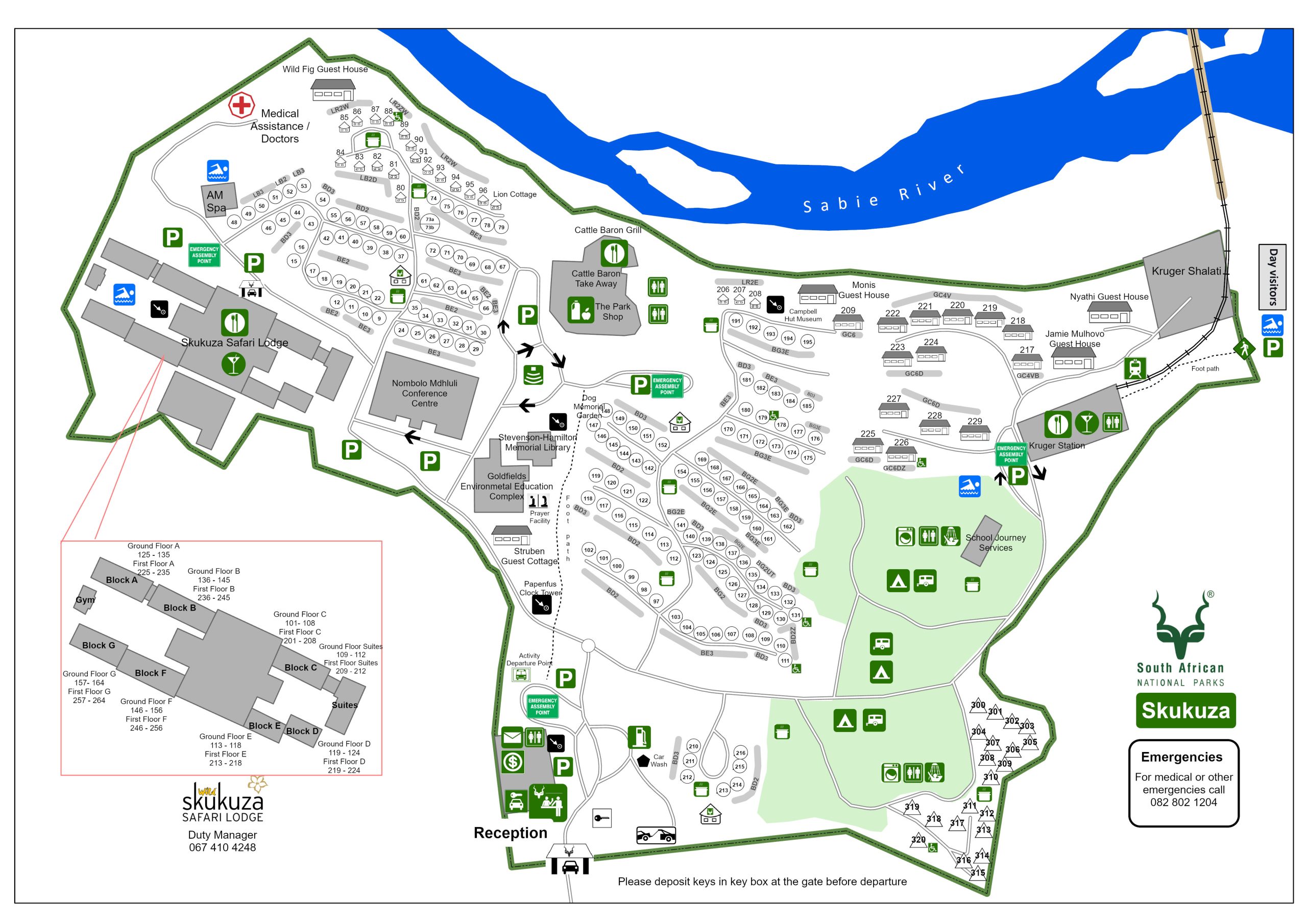

Skukuza Rest Camp gets called Kruger’s “capital” for good reason. It’s the park’s largest camp, its administrative headquarters, and the only rest camp with its own airport, a resident doctor, a bank, a golf course, and, yes, even its own police station. No other camp in Kruger comes close to this level of infrastructure.
But that same size is exactly why some visitors love it and others actively avoid it. So is it actually worth staying here, or should you base yourself somewhere smaller? Here’s an honest look.
The Case For Skukuza
It’s the easiest camp to fly into. Skukuza Airport takes daily direct flights from Johannesburg and Cape Town, landing you inside the park itself rather than hours away by road. For travelers short on time, this alone can be worth the trip.
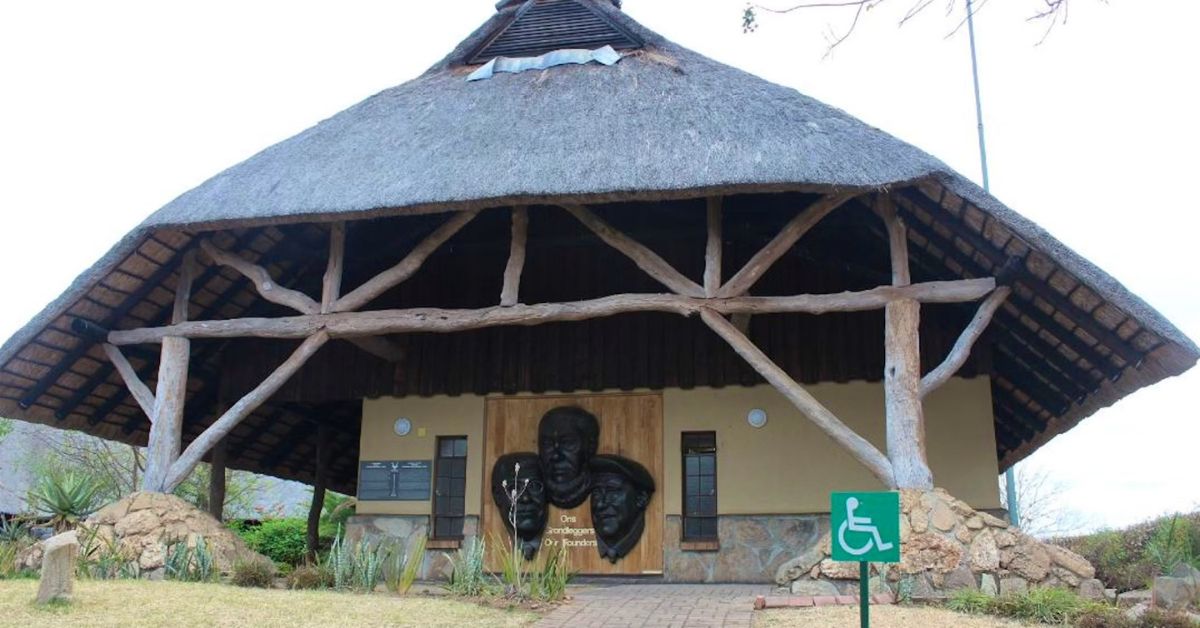
You genuinely won’t run out of things to do. Beyond game drives and guided walks, Skukuza has a 9-hole golf course where you might spot wildlife between shots, a small museum, the Stevenson-Hamilton Memorial Library, and the Selati Train, a restored railway carriage turned restaurant on the old station platform.
It’s the most convenient camp if something goes wrong. A resident doctor, well-stocked shop, fuel station, and vehicle workshop mean Skukuza is the safest bet if you need supplies, medical attention, or a mechanical fix mid-trip.
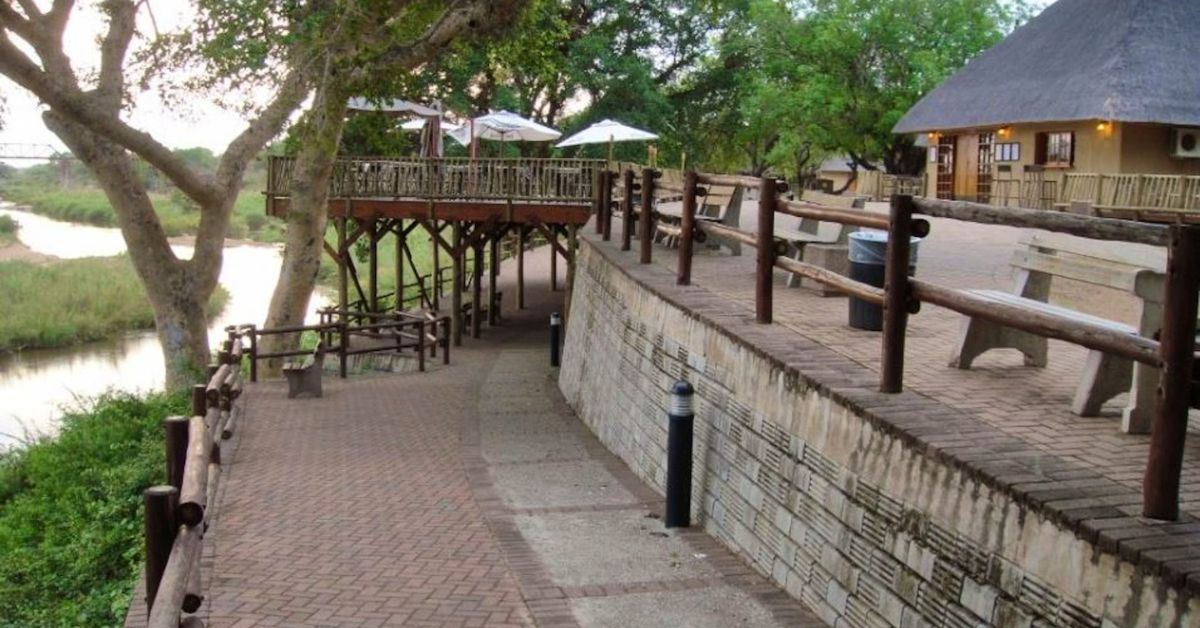
The game viewing around it is excellent. Skukuza sits on the Sabie River, one of Kruger’s most reliable year-round water sources, with a dense network of roads through prime Big Five territory, lion, leopard, elephant, buffalo, and even the local Skukuza wild dog pack are regularly seen nearby.
The Case Against Skukuza
It’s the busiest camp in the park, by a wide margin. With accommodation for hundreds of guests and staff, Skukuza can feel closer to a small town than a bush camp, and that scale spills over onto nearby roads too, with more vehicle traffic at popular sightings than you’ll find near smaller camps.
It doesn’t feel remote. If what you want from a safari is total isolation and quiet, Skukuza’s size and amenities work against you. Camps like Lower Sabie or Satara offer a similar quality of game viewing with a noticeably quieter, more intimate feel.
Popularity means less spontaneity near camp. Because so many vehicles are based here, the roads immediately around Skukuza can feel congested during peak game-viewing hours, particularly in winter (May–September) when sightings cluster near water sources.
So, Is It Worth It?
If you’re a first-time visitor, flying in, traveling with family, or simply want the reassurance of full amenities close at hand, Skukuza earns its reputation, it’s genuinely the easiest camp in Kruger to have a smooth, well-supported trip. But if solitude and a deeper sense of remoteness matter more to you than convenience, it’s worth considering a smaller camp instead, or using Skukuza as your arrival point before moving further into the park.
When to Visit Skukuza
The dry winter months (May–September) offer the best game viewing here — with less surface water elsewhere in the park, animals concentrate around the Sabie River right on Skukuza’s doorstep, making sightings more predictable. It’s also when the camp is at its busiest, so expect more vehicles at popular spots.
The wet summer months (October–April) bring lush green scenery, newborn animals, and dramatic skies — better for photography and a quieter camp, though wildlife is more spread out and harder to predict since water is available throughout the park, not just along the river.
Getting to Skukuza
Skukuza Rest Camp is one of the few places in Kruger you can fly directly into. Skukuza Airport takes daily scheduled flights from both Johannesburg and Cape Town, putting you inside the park within a couple of hours of departure, ideal if you’re short on time or don’t want a long road transfer.
For those who prefer to drive, Skukuza is well signposted and easily reached via Paul Kruger Gate or Numbi Gate on well-maintained tar roads, with Kruger Mpumalanga International Airport (KMIA) a convenient road-transfer option for international visitors not flying directly into the park itself.
Where to Stay in Skukuza Rest Camp
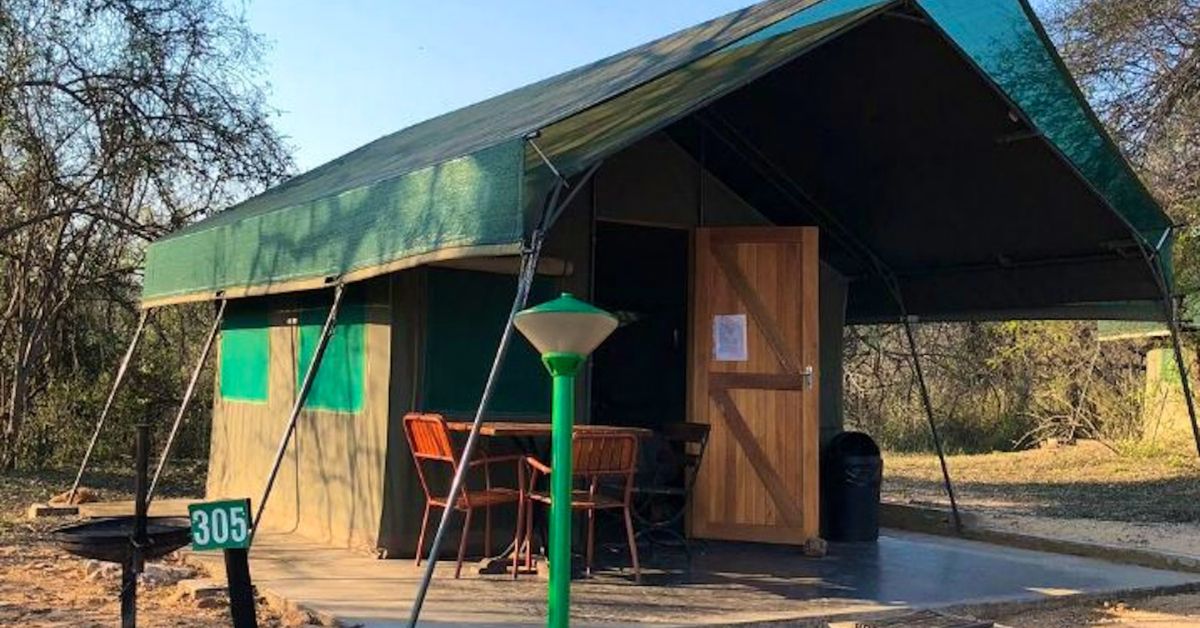
- Safari Tents — raised platforms, twin beds, standing fan, communal bathrooms. The most rustic option, best for travelers who want the bush experience without giving up basic comfort.
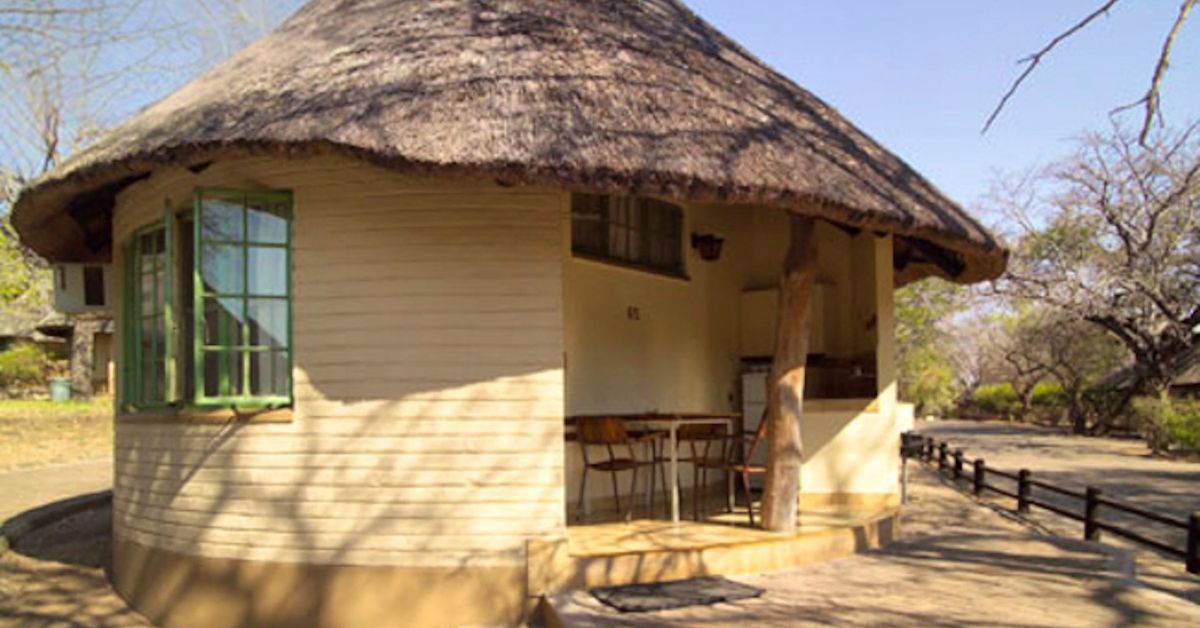
- Bungalows — air-conditioned, en-suite, with a small kitchenette. The most popular middle-ground choice.
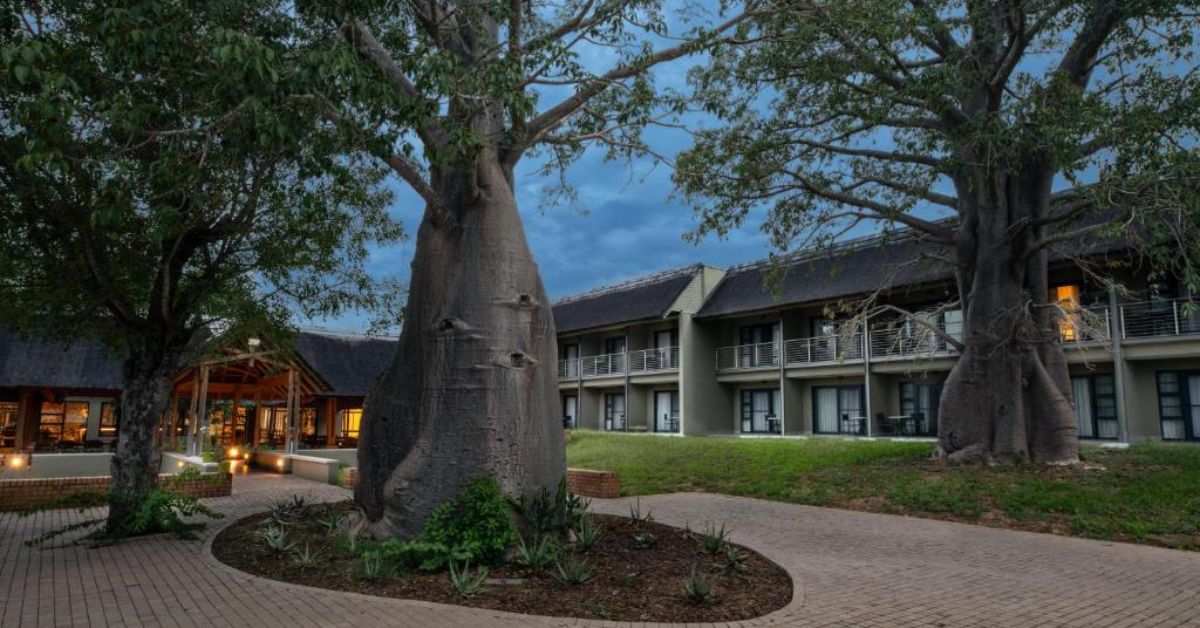
- Skukuza Safari Lodge — elegant riverside units for travelers who want a more refined stay without leaving the heart of the park.
For a higher level of comfort while staying right in the heart of Kruger, our Skukuza Safari Lodge tour package combines premium accommodation with daily expert-guided game drives.