
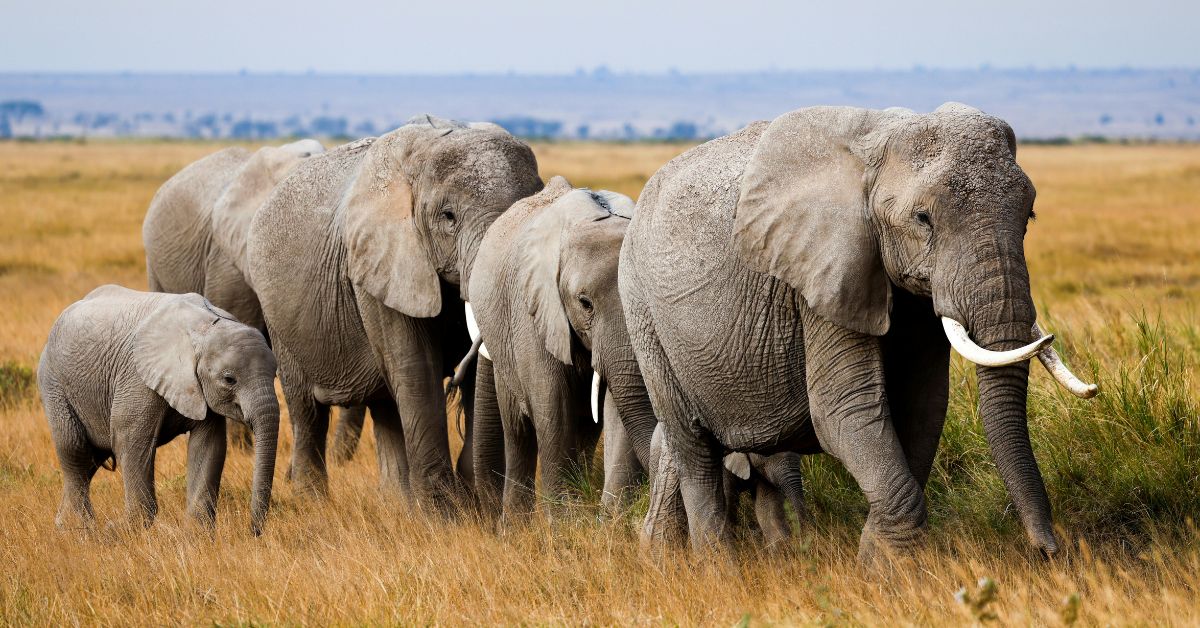
Nothing quite prepares you for it. You’ve seen elephants in documentaries, in zoos, on the cover of every safari brochure you scrolled past while planning this trip and none of it comes close. The first time a wild elephant appears in the Kruger bush, something in the vehicle changes. Conversations trail off. Cameras get forgotten for a moment. Everyone just watches.
It’s not only the size, though that catches you off guard too. It’s the quiet.
The Moment It Actually Hits You
Elephants move through thick bush with a stillness that doesn’t match their size. One second there’s nothing but mopane leaves and shadow, and then a shape resolves out of the bush, grey, enormous, and completely unbothered by your presence. That gap between “there’s nothing here” and “there is an elephant six meters away” is where the feeling lives. Most first-timers describe it less as excitement and more as a kind of stunned calm.
Where First Sightings Usually Happen
The southern parts of Kruger — around Lower Sabie, Skukuza, and Pretoriuskop — see some of the highest elephant density in the park, thanks to the Sabie and Sand River systems running through the region. Look for them:
- Along riverbanks, especially in the cooler hours of early morning and late afternoon
- Around marula trees during fruiting season, when elephants happily strip branches for the fallen fruit
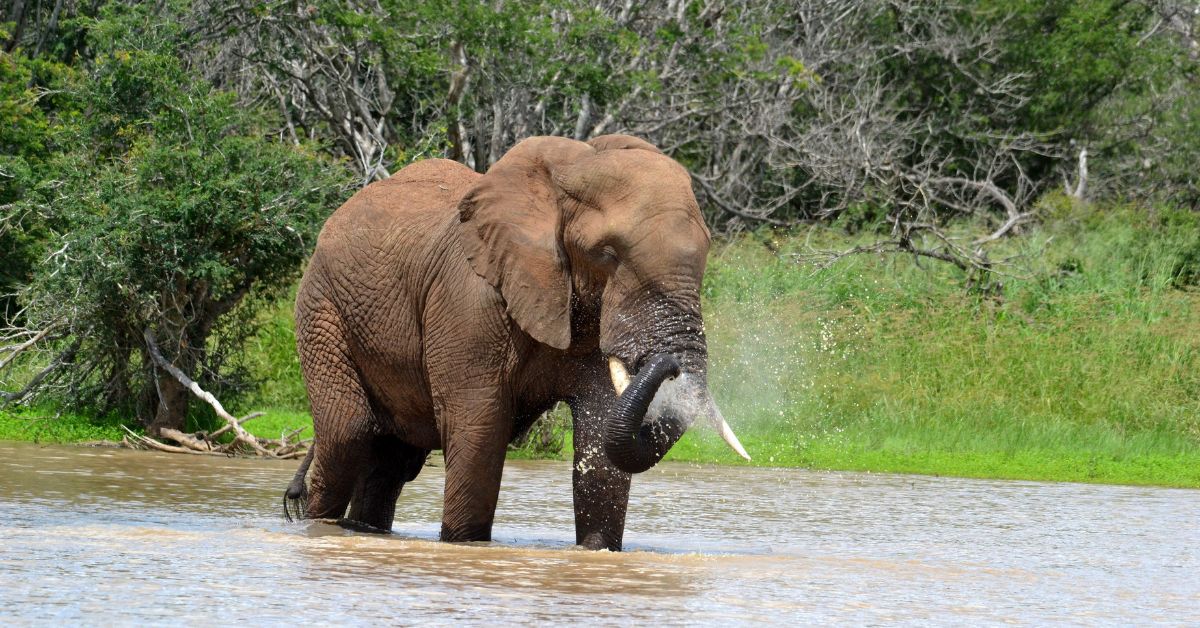
- On dusty roadsides after rain, digging for mineral-rich soil
It’s genuinely common to have an elephant pass close enough to your vehicle that the only thing between you is a thin screen of bush.
What You Notice Once the Shock Wears Off
After the first minute or two, the details start to land:
- The rumble. Elephants communicate using low-frequency sounds, some too low for the human ear to fully register, but you can often feel a faint vibration in the air around a herd more than you hear it.
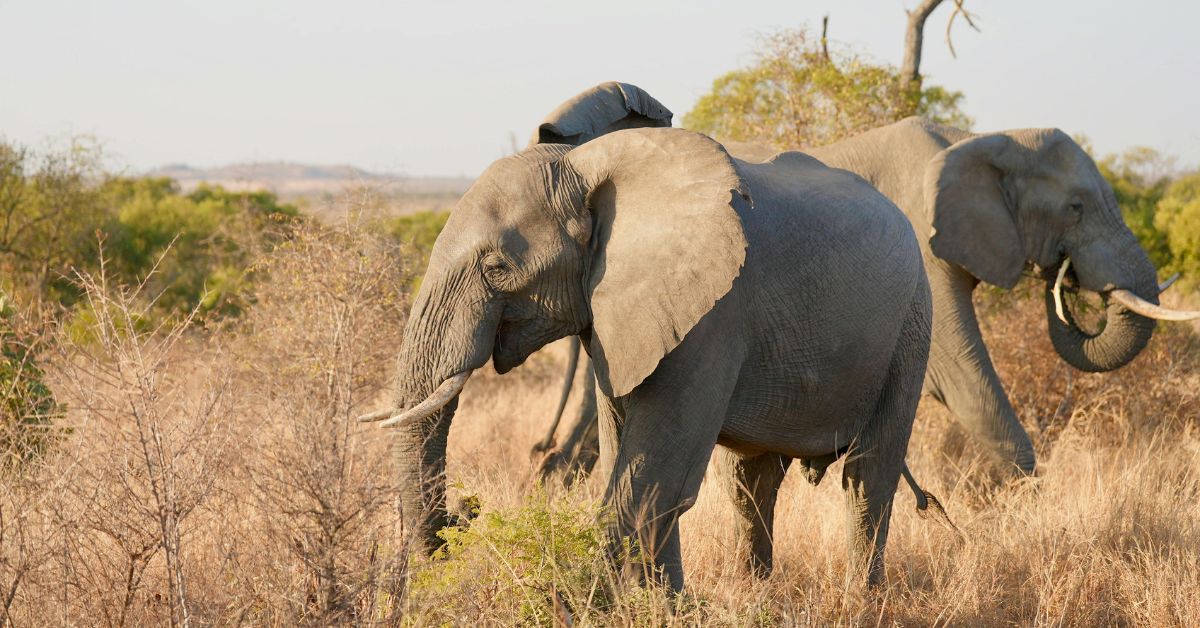
- The trunk. Watching an elephant use its trunk to gently investigate a branch, or wrap around a calf, is where you really understand how precise and dexterous that appendage is, it’s not just a hose, it’s closer to a hand.
- The protectiveness. A matriarch will often reposition her body between a calf and anything unfamiliar, including your vehicle. It’s not aggression, it’s instinct, and it’s one of the clearest windows into how socially organized elephant herds actually are.
- The eye contact that isn’t. Elephants often seem to look straight through you rather than at you, which somehow makes the encounter feel less like being observed and more like witnessing something.
Getting the Most Out of the Moment
A few things our guides consistently recommend to first-time visitors:
- Let the guide hold back first. Approaching slowly and letting the herd set the pace, rather than driving straight up, almost always results in a calmer, longer sighting, and it’s simply safer for both you and the elephants.
- Put the camera down at least once. It’s tempting to shoot the entire encounter through a lens, but the moments people remember most are usually the ones they watched with their own eyes.
- Listen, not just look. If you do record anything, capture a few seconds of audio, the sound of the bush around a feeding herd (branches cracking, that low rumble) is something photos can’t give you.
Not Just a Sighting
Every guest who’s had this moment describes it a little differently, but there’s a common thread: they didn’t expect it to feel like this. Lion sightings bring adrenaline. Leopard sightings bring the thrill of the rare find. But the first elephant encounter tends to bring something quieter, a kind of recalibration of scale, both theirs and yours.
It’s one of the reasons a guided Kruger safari makes such a difference for first-timers, knowing where to wait, how to read a herd’s mood, and when to simply stop talking and let the moment happen is exactly the kind of thing that turns a sighting into the memory people carry home.