
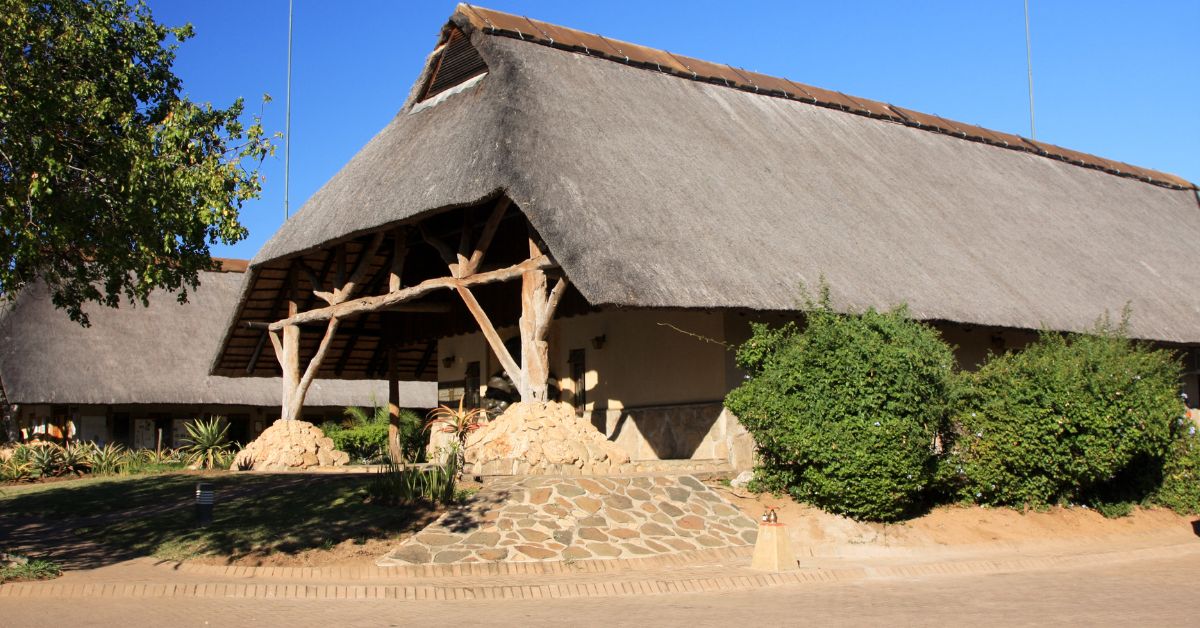
Southern Kruger: Comfortable, Affordable, and Wildlife-Rich
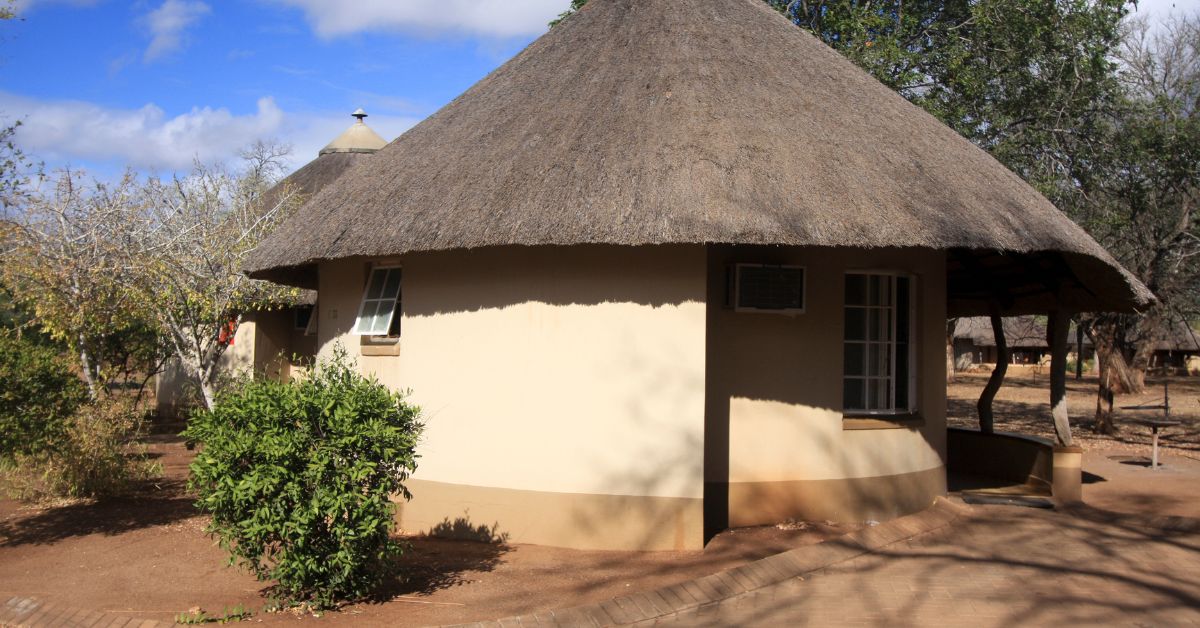
Skukuza Rest Camp
The largest and most well-equipped camp in Kruger, Skukuza offers everything from campsites and safari tents to riverside bungalows and guest houses. Facilities include a shop, restaurants, an ATM, swimming pools, a fuel station and a museum. Located along the Sabie River, this area is famous for sightings of leopard, elephant, lion, and buffalo. Skukuza is ideal for families, first-time visitors, and those wanting convenience without losing the wilderness feel.
Skukuza Camp Features
Skukuza is the largest rest camp in Kruger and functions as the park’s administrative headquarters. Its facilities are extensive, making it a “village” in the wild:
- Dining & Shopping: Two restaurants (one overlooking the Sabie River, another in the historic Selati railway station precinct), a deli, a cafeteria, and a well-stocked grocery shop. The Cattle Baron is being refurbished for a fresh look, with temporary limited-menu dining in the meantime.
- Leisure: Two swimming pools for overnight guests, plus a 9-hole (18-tee) par 72 golf course just outside the camp, where wildlife regularly wanders across the fairways.
- Education & Culture: The Stevenson-Hamilton Memorial Library, a museum at the old Selati railway siding, the historic 1929 Campbell Hut museum, and an outdoor amphitheatre showing wildlife films most evenings.
- Services: A filling station, a vehicle workshop for emergency repairs, car hire, a bank with ATM, a post office, a resident doctor, a laundromat, and the Skukuza Indigenous Nursery about 4 km from camp.
- Accessibility: A wheelchair-accessible shop, restaurants and riverside walkway, plus specially adapted accommodation units.
- Activities: Guided bush walks and game drives can be booked at reception, and the Lake Panic bird hide is a short drive from camp.
Common Animals Found Around Skukuza Camp
Skukuza is situated in “Big Five” territory along the southern banks of the Sabie River. Frequent sightings around the camp perimeter and nearby roads include:
- Lions: Often heard calling at night and frequently spotted on the H4-1 road toward Lower Sabie.
- Elephants: Regularly seen drinking or crossing the Sabie River directly in front of the camp.
- Hyenas: Commonly seen patrolling the camp fence line at dusk or dawn.
- Hippos: Almost always present in the river pools visible from the camp’s restaurant deck.
- Bushbuck: These shy antelope are resident within the camp itself and can often be seen grazing near the bungalows.
Skukuza Accommodation Prices (2026/2027 Guidelines)
| Unit Type | April–Oct 2026 | Nov 2026–Oct 2027 |
|---|---|---|
| Camping Site | From R508 (about $31) | From R423 (about $26), varies by season |
| Safari Tent | From R947 (about $57) | From R1,008 (about $61) |
| Standard Bungalow | From R2,084 (about $126) | From R2,220 (about $135) |
| Riverside Bungalow | From R2,913 (about $177) | From R3,103 (about $188) |
| Guest Cottage | From R3,730 (about $226) | From R3,973 (about $241) |
| Rand per unit, per night. Tents and bungalows include 2 guests, guest cottages include 4, and campsites are priced per site. Daily conservation fees and the 1% community levy are charged on top. The second column applies from 1 November 2026. US dollar amounts are approximate, converted at R16.50 to US$1 (October 2026), and will vary with the exchange rate. Confirm at booking. | ||
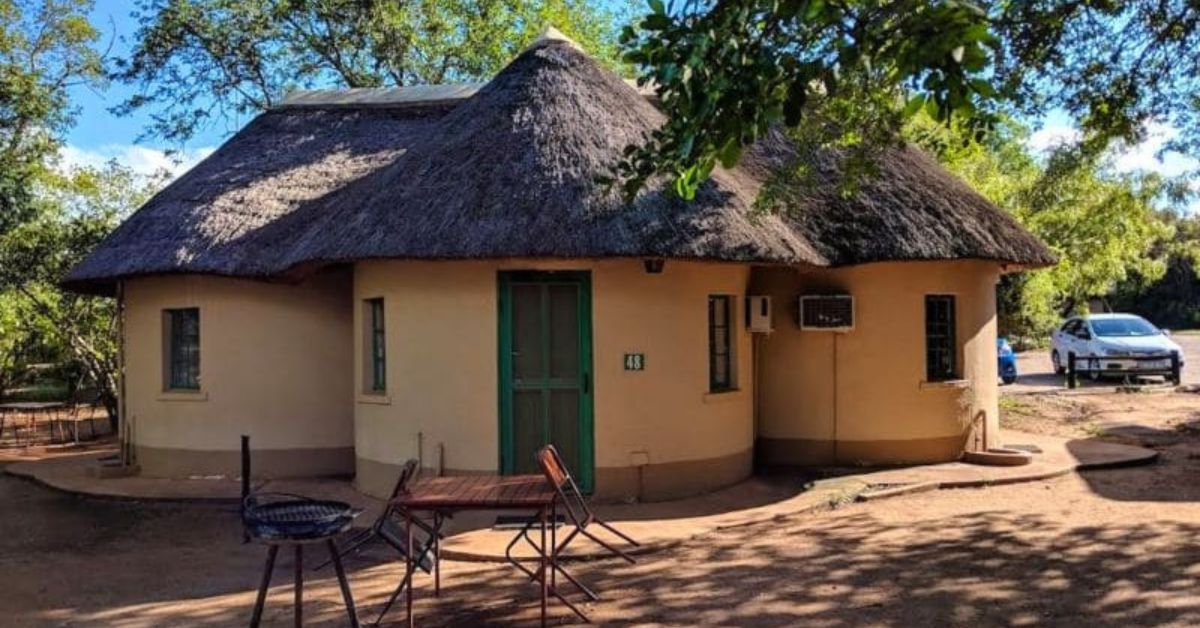
Lower Sabie Rest Camp
Lower Sabie is widely regarded as Kruger’s top game-viewing camp due to its prime location along the water-rich Sabie River, where fertile soils attract dense herds and support the highest concentration of leopards and lions in the park.
With stunning views of the Sabie River, Lower Sabie offers campsites, huts, safari tents, bungalows, family cottages and the Keartland Guest House. A spacious restaurant deck overlooks the water, and the camp also has a shop and a filling station. Wildlife here includes large elephant herds, hippo, crocodile and regular predator activity, which makes it a favourite for both birders and big-game enthusiasts.
Lower Sabie Camp Features
Lower Sabie is known for its lush, green atmosphere and its position on the banks of the Sabie River:
- Sabie River Café (formerly Mugg & Bean): The restaurant has a new operator. A temporary Grab & Go and coffee station is open from 07:00 to 20:00 daily, according to the café’s website, while the main restaurant is renovated. Check the café’s site or ask at reception for the latest.
- Sunset Dam: About 1 km from the camp, one of the best spots in the park for birdwatching and for watching hippos and crocodiles.
- Swimming Pool: A pool on the edge of the camp, beside the day-visitor picnic area.
- Shop and Filling Station: A well-equipped park shop for groceries and souvenirs, plus a fuel station.
- Diverse Accommodation: Everything from basic campsites and huts to furnished safari tents on stilts (some with river views) and the Keartland Guest House, which sleeps up to 7.
Common Animals Found Around Lower Sabie Camp
The area around Lower Sabie is exceptionally fertile, supporting an abundance of wildlife:
- Leopards: The road between Skukuza and Lower Sabie (H4-1) is well known for leopard sightings.
- Hippos: Often heard grunting from the riverbanks in front of the camp units.
- Crocodiles: Large specimens are regularly seen sunning themselves on the sandbanks of the Sabie River and at Sunset Dam.
- Buffalo: Large herds often gather in the riverine bush and cross the river near the camp.
- Lions: Several resident prides are frequently spotted on the open plains toward Muntshe or along the river roads.
Lower Sabie Accommodation Prices (2026/2027 Guidelines)
| Unit Type | April–Oct 2026 | Nov 2026–Oct 2027 |
|---|---|---|
| Camping Site | From R450 (about $27) | From R488 (about $30), varies by season |
| Safari Tent | From R2,005 (about $122) | From R2,136 (about $129) |
| Standard Bungalow | From R2,089 (about $127) | From R2,225 (about $135) |
| Family Chalet | From R3,560 (about $216) | From R3,791 (about $230) |
| Family Cottage | From R3,738 (about $227) | From R3,980 (about $241) |
| Keartland Guest House | From R8,080 (about $490) | From R8,605 (about $522) |
| Rand per unit, per night. Tents and bungalows include 2 guests, family chalets and cottages include 4, the guest house includes 6, and campsites are priced per site. River-view tents and perimeter units cost more. Daily conservation fees and the 1% community levy are charged on top. The second column applies from 1 November 2026. US dollar amounts are approximate, converted at R16.50 to US$1 (October 2026), and will vary with the exchange rate. Confirm at booking. | ||
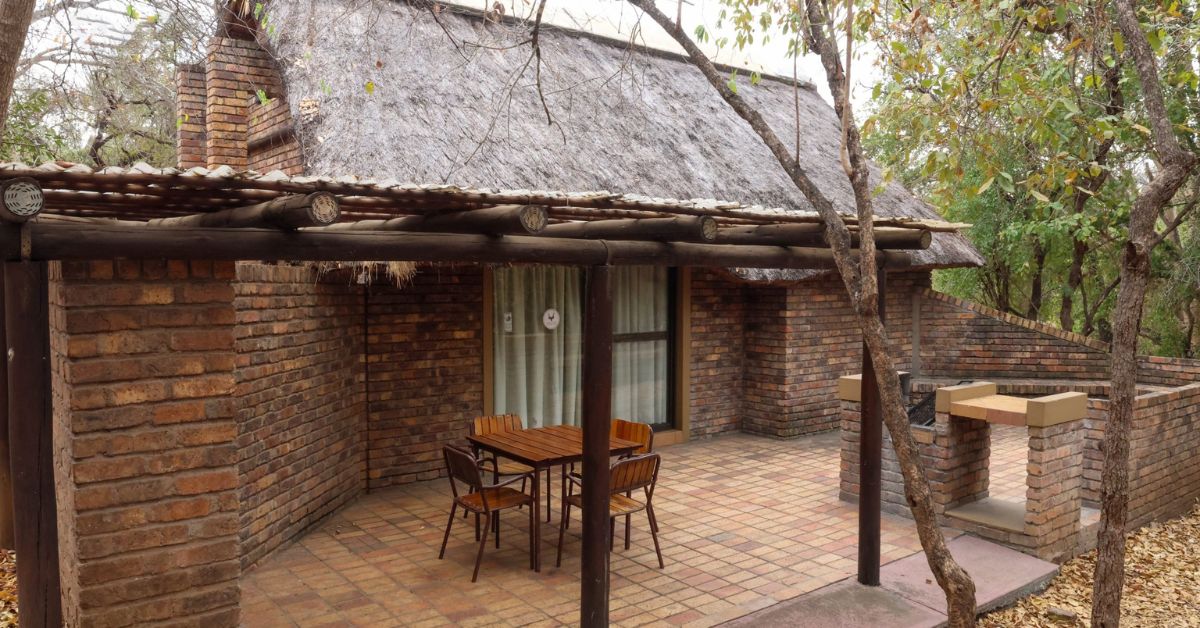
Berg-en-Dal Rest Camp
Berg-en-Dal is the closest main camp to Malelane Gate (about 12 km) and Kruger’s only main camp in mountain scenery.
Nestled in the southwest about 12 km from Malelane Gate, Berg-en-Dal is a modern, family-friendly camp set among rocky hills. Accommodation includes bungalows, family cottages, two guest houses and campsites. Facilities include a shop, a restaurant, a swimming pool and a walking trail. The surrounding hills are known for white rhino, leopard and wild dog.
Berg-en-Dal Camp Features
Berg-en-Dal is the only Kruger main camp set in rugged mountain scenery, and its buildings were designed to sit among the natural bush:
- Rhino Perimeter Trail: A walking trail of about 2 km inside the camp fence, starting near reception at the dam. The first section is wheelchair-friendly with Braille signage. The second follows the fence above the Matjulu riverbed and can get hot.
- The Dam: The camp looks out over a dam beside the restaurant, good for birds, and leopards have occasionally been seen drinking there.
- San Rock Art: Original San paintings survive in the surrounding hills and can be visited on guided bush walks, which you can book in advance or at reception.
- Face-Brick Design: Opened in 1984, the camp’s face-brick buildings were a departure from Kruger’s traditional thatched look, and the natural vegetation inside the camp has been preserved.
- Facilities: A swimming pool for overnight guests, a cafeteria, a laundromat, a shop, and Eziko Eatery (formerly Tindlovu Restaurant). SANParks has appointed a new operator, with temporary limited-menu dining during refurbishment, so check the current setup when you book.
Common Animals Found Around Berg-en-Dal Camp
The rocky hills (koppies) and the Matjulu watercourse around Berg-en-Dal support a different mix of wildlife from the open plains:
- White Rhino: One of the camp’s signature sightings. Matjulu waterhole, about 4 km from camp, is a good place to look.
- Leopards: Seen regularly in the region, with many lairs in the koppies. The S110 (Matjulu Loop) behind the camp is a good road to try.
- Wild Dogs: Packs are regularly reported around Matjulu waterhole and along the S110.
- Klipspringer: These small “rock-jumping” antelope live on the koppies and are one of the species SANParks lists to look for here.
- Honey Badgers: Occasionally recorded on the S110 near the camp.
Berg-en-Dal Accommodation Prices (2026/2027 Guidelines)
| Unit Type | April–Oct 2026 | Nov 2026–Oct 2027 |
|---|---|---|
| Camping Site | From R509 (about $31) | From R424 (about $26), varies by season |
| Standard Bungalow | From R1,993 (about $121) | From R1,850 (about $112), varies by season |
| Perimeter Bungalow | From R2,162 (about $131) | From R1,933 (about $117), varies by season |
| Family Cottage | From R3,741 (about $227) | From R3,273 (about $198), varies by season |
| J le Roux Guest House (sleeps 6) | From R8,100 (about $491) | From R7,746 (about $469), varies by season |
| Rhino Guest House (sleeps 8) | From R9,703 (about $588) | From R9,452 (about $573), varies by season |
| Rand per unit, per night. Bungalows include 2 guests, family cottages include 4, the J le Roux Guest House includes 6, the Rhino Guest House includes 8, and campsites are priced per site. Daily conservation fees and the 1% community levy are charged on top. The second column applies from 1 November 2026 and shows the lowest rate in that period; peak dates cost more. US dollar amounts are approximate, converted at R16.50 to US$1 (October 2026), and will vary with the exchange rate. Confirm at booking. | ||
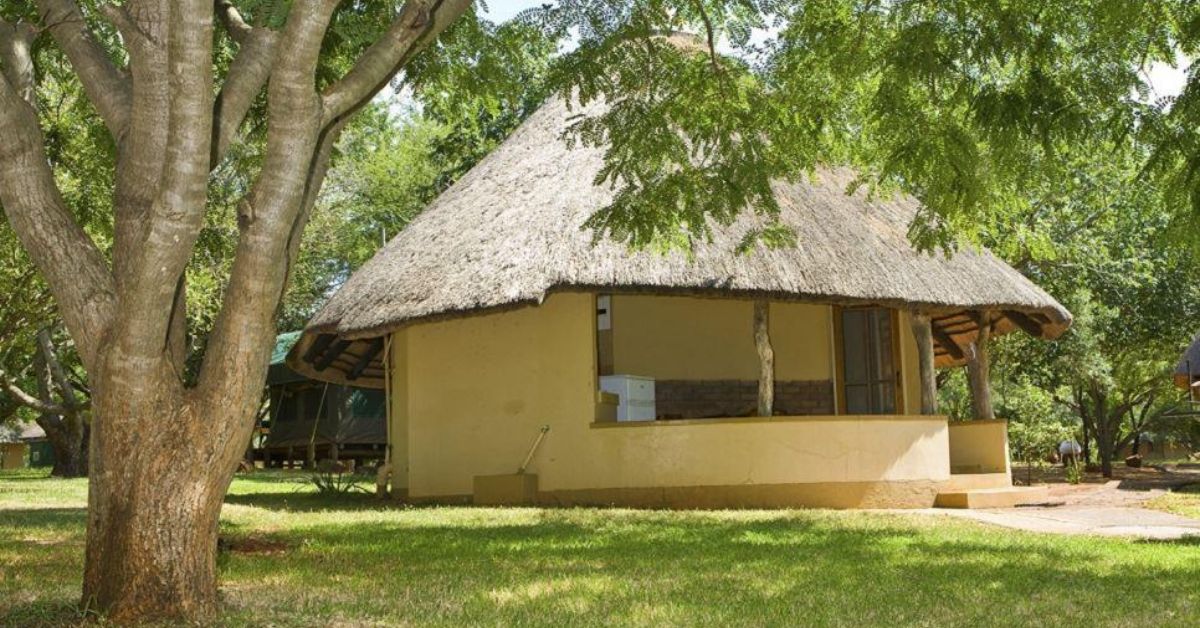
Crocodile Bridge Rest Camp
Crocodile Bridge is the closest camp to Komatipoort and the Mozambique border, about 5 to 6 hours from Johannesburg (SANParks).
Right at Crocodile Bridge Gate in the southeast, this small, quiet camp offers bungalows, safari tents and campsites. Facilities are basic: a shop with a small take-away food section and a filling station, but no full restaurant. The open plains around Crocodile Bridge are rich in wildlife, making it ideal for self-drive visitors and photographers hoping for big cat sightings.
Crocodile Bridge Camp Features
Crocodile Bridge is a smaller, more intimate camp that offers quick access to some of the park’s most productive roads:
- Crocodile River Setting: The camp sits on the northern bank of the Crocodile River, which forms the park’s southern boundary.
- Convenience: The gate is only about 12 km from the town of Komatipoort, making this one of the easiest camps to reach for a quick trip.
- Intimate Layout: Smaller than Skukuza or Lower Sabie, the camp has a quieter, more relaxed atmosphere.
- Shop & Fuel: A small shop for basic items with a take-away food section, plus a filling station. The filling station was closed for maintenance in late 2025, so confirm it is operating and fill up before you enter the park.
- “Southern Circle” Access: The camp is the gateway to the Southern Circle, the stretch between Crocodile Bridge and Lower Sabie, famous for its concentration of lion prides.
Common Animals Found Around Crocodile Bridge Camp
The open plains and the Crocodile River around the camp attract plains game, which in turn draws some of the park’s big predators:
- Lions: The area is well known for its lion prides, which are regularly seen on the H4-2, S28 and S25 roads.
- Cheetahs: One of the better areas in the park to look for cheetah, especially along the S28 and H4-2.
- White Rhino: A documented speciality of the area, often seen grazing the grassy plains along the S28.
- Hippos: Look for them at Hippo Pools on the S25, about 8 km from the gate, where hippo and crocodile can both be seen.
- Hyenas: The area has a high density of spotted hyena.
- Giraffes: A speciality of the area, regularly seen along the main roads.
Crocodile Bridge Accommodation Prices (2026/2027 Guidelines)
| Unit Type | April–Oct 2026 | Nov 2026–Oct 2027 |
|---|---|---|
| Camping Site | From R509 (about $31) | From R424 (about $26), varies by season |
| Safari Tent | From R949 (about $58) | From R1,011 (about $61) |
| Bungalow | From R2,171 (about $132) | From R2,312 (about $140) |
| Rand per unit, per night. Tents and bungalows include 2 guests, and campsites are priced per site. Daily conservation fees and the 1% community levy are charged on top. The second column applies from 1 November 2026. US dollar amounts are approximate, converted at R16.50 to US$1 (October 2026), and will vary with the exchange rate. Confirm at booking. | ||
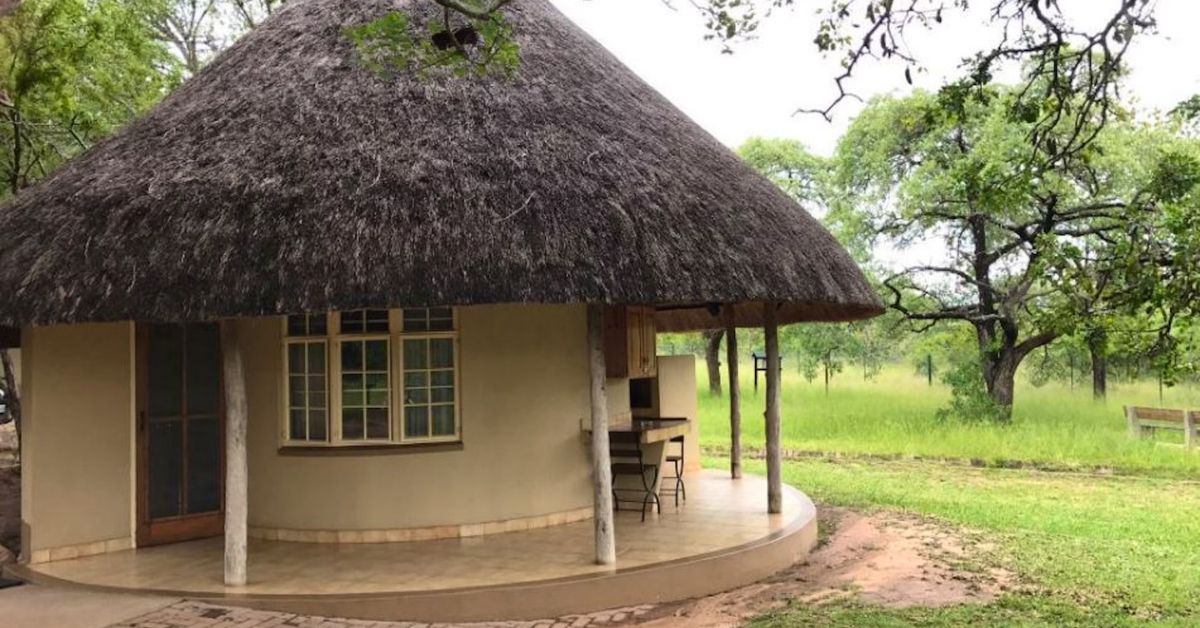
Pretoriuskop Rest Camp
Pretoriuskop is Kruger’s oldest rest camp, about 9 km from Numbi Gate.
Pretoriuskop sits among granite outcrops with a relaxed, garden-like atmosphere. Accommodation includes huts, bungalows, family cottages, two guest houses and campsites. Facilities include a shop, a restaurant, a filling station and a large natural rock pool. Game is thinner on the ground than on the open plains further east, but the area is known for rare antelope such as sable and Lichtenstein’s hartebeest.
Pretoriuskop Camp Features
Pretoriuskop offers a nostalgic atmosphere with several historical and natural highlights:
- Natural Rock Swimming Pool: One of the camp’s best-loved features, a pool set into the granite rocks near the camp boundary for overnight guests.
- Historical Significance: Kruger’s oldest rest camp opened to its first visitors in the late 1920s. Harry Wolhuter’s restored hut is still in the camp.
- Sourveld Landscape: Granite koppies, tall sour grass and the silver cluster-leaf, the area’s dominant tree, in a high-rainfall part of the park.
- Walks and Trails: The Sable Trail camp walk, guided bush walks, the 42 km Madlabantu 4×4 Adventure Trail (weather dependent) and the three-day Napi Wilderness Trail, which must be pre-booked.
- Amenities: A shop, a laundromat, a filling station, and Le Lapeng Burgers and Grill (formerly Wimpy). SANParks has appointed a new operator, with temporary limited-menu dining during refurbishment, so check the current setup when you book.
Common Animals Found Around Pretoriuskop Camp
The sourveld grassland and granite koppies around Pretoriuskop favour different species from the sweeter plains further east:
- Sable Antelope: SANParks lists sable first among the species to look for here, and herds are regularly reported along the H1-1 east of the camp.
- White Rhino: The sour grass suits them, and the area is one of the better places in the park to find them.
- Lichtenstein’s Hartebeest: Another rare antelope that SANParks lists as a Pretoriuskop speciality.
- Lion and Leopard: Both are regularly seen in the granite koppies west of the camp.
- Wild Dogs: Frequently recorded in the area, though sightings are unpredictable.
Pretoriuskop Accommodation Prices (2026/2027 Guidelines)
| Unit Type | April–Oct 2026 | Nov 2026–Oct 2027 |
|---|---|---|
| Camping Site | From R508 (about $31) | From R411 (about $25), varies by season |
| Hut (shared kitchen and bathroom) | From R947 (about $57) | From R804 (about $49), varies by season |
| Bungalow (kitchenette) | From R1,685 (about $102) | Confirm at booking |
| Family Cottage | From R3,730 (about $226) | From R3,898 (about $236) |
| Pierre Joubert Guest House (sleeps 16) | From R9,676 (about $586) | From R9,282 (about $563), varies by season |
| Rand per unit, per night. Huts and bungalows include 2 guests, family cottages include 4, the Pierre Joubert Guest House includes 8, and campsites are priced per site. Daily conservation fees and the 1% community levy are charged on top. The second column applies from 1 November 2026 and shows the lowest rate in that period where rates vary by season. US dollar amounts are approximate, converted at R16.50 to US$1 (October 2026), and will vary with the exchange rate. Confirm at booking. | ||
Central Kruger: Plains, Predators, and Big Skies
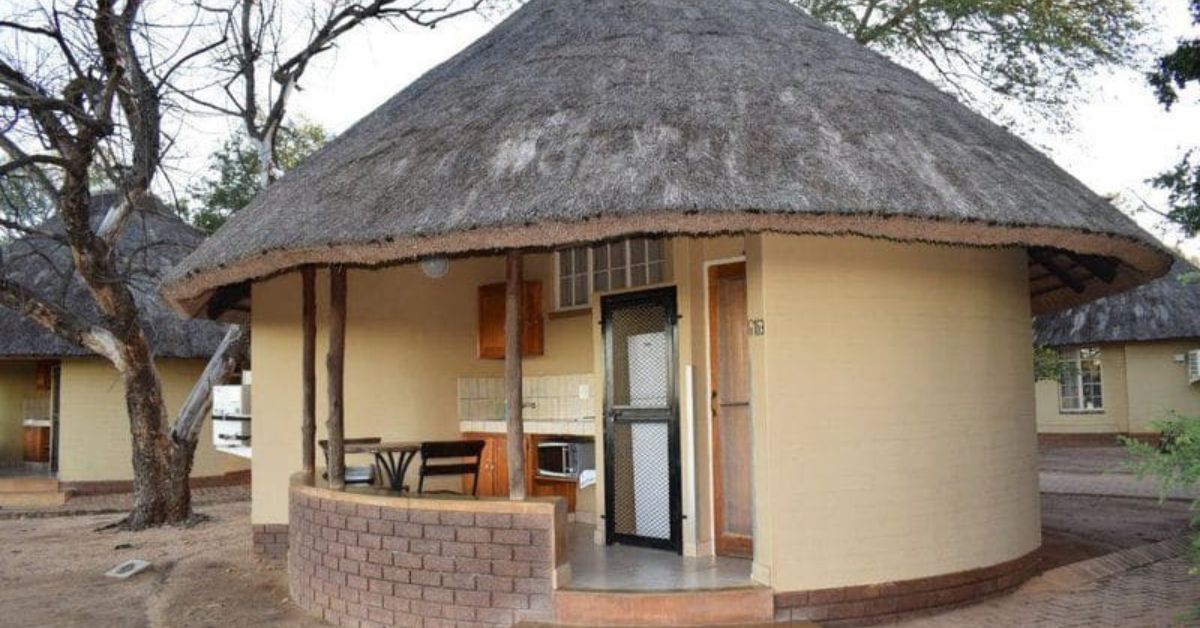
Satara Rest Camp
Satara is renowned for lion, leopard and cheetah, with the S100 and H1-3 roads both documented lion country.
Satara sits in open grassland in the heart of the park, where lion, cheetah and leopard are often seen. Satara offers bungalows, guest cottages, guest houses and a popular camping site. Guests have access to a restaurant, deli, shop, filling station and swimming pool. The area is a must for anyone wanting to maximise predator sightings.
Satara Camp Features
Satara has a distinct atmosphere, with open surroundings and excellent visibility:
- Prime Predator Location: Set in open grassland that is among the best lion-viewing country in the park.
- Eco Information Centre and Amphitheatre: Evening wildlife film shows are held in the camp’s amphitheatre.
- Swimming Pool: A pool with a children’s playground for overnight guests, welcome in the midday heat.
- Birdlife within Camp: The well-wooded camp has prolific birdlife, with owls and nightjars calling at night. The Sweni Bird Hide on the Sweni River is a short drive away.
- Full Amenities: A restaurant, deli, shop, laundromat, filling station and a mini ATM inside the restaurant.
Common Animals Found Around Satara Camp
The sweet-grass plains surrounding Satara support large herds of grazers, which in turn support high numbers of carnivores:
- Lions: Renowned for their lion prides, which are regularly seen on the S100 and the H1-3 roads.
- Cheetahs: Regularly recorded on the open plains around the camp.
- Leopards: Often seen along the S100 and the N’wanetsi River, east of the camp.
- Hyenas: Spotted hyenas whoop from the camp perimeter at night.
- Honey Badgers: One of the species SANParks tells visitors to look out for, and a known night visitor around the camp.
- Zebras and Wildebeest: Large numbers of plains game graze the open flats around the camp.
Satara Accommodation Prices (2026/2027 Guidelines)
| Unit Type | April–Oct 2026 | Nov 2026–Oct 2027 |
|---|---|---|
| Camping Site | From R509 (about $31) | From R424 (about $26), varies by season |
| Bungalow | From R1,958 (about $119) | From R2,312 (about $140) |
| Guest Cottage | From R3,738 (about $227) | From R3,980 (about $241) |
| Guest House (Stanley or Wells) | From R8,092 (about $490) | From R8,618 (about $522) |
| Rudy Frankel Guest House (sleeps 10) | From R10,358 (about $628) | From R11,032 (about $669) |
| Rand per unit, per night. Bungalows include 2 guests, and campsites are priced per site. Daily conservation fees and the 1% community levy are charged on top. The second column applies from 1 November 2026 and shows the lowest rate in that period where rates vary by season. US dollar amounts are approximate, converted at R16.50 to US$1 (October 2026), and will vary with the exchange rate. Confirm at booking. | ||
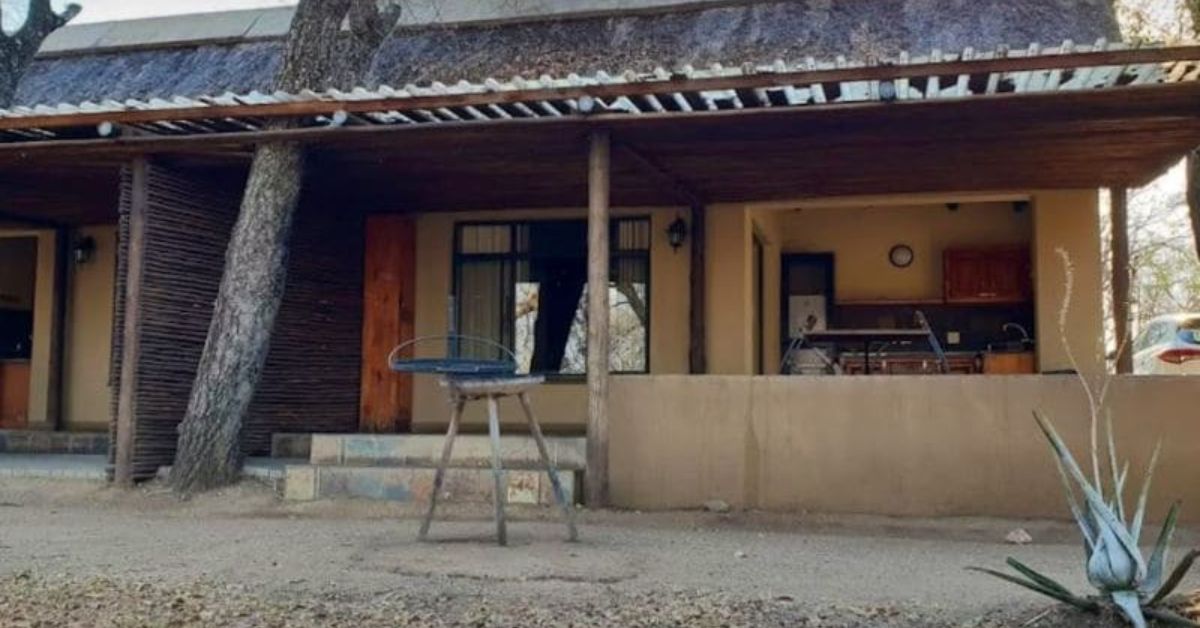
Orpen Rest Camp
Orpen is right at Orpen Gate, about 48 km from Satara along the H7, and has no restaurant.
A small, quiet camp right at Orpen Gate on the park’s western boundary. Accommodation includes bungalows and guest cottages, with a shop and filling station on site but no restaurant. The open plains around Orpen hold large numbers of grazers, which attract predators such as lions and hyenas. Orpen is also the check-in point for the Tamboti and Maroela satellite camps.
Orpen Camp Features
Orpen suits travellers who prefer a smaller camp with immediate access to productive game-viewing roads:
- Floodlit Waterhole: A waterhole just outside the perimeter fence, floodlit at night, where elephants often arrive in the evening and other game visits throughout the day.
- Satellite Camps: Orpen administers the nearby Tamboti (safari tents) and Maroela (camping only) camps, both fenced and set on the banks of the Timbavati River a few kilometres from Orpen. Guests check in at Orpen, and neither satellite camp has a shop, restaurant or fuel.
- Compact Design: The camp is small and easy to find your way around.
- Strategic Location: Orpen is the starting point for the H7 road to Satara, one of the best predator roads in the park, and the S39 Timbavati River road.
- Essential Amenities: A small shop for basic supplies, a laundromat, a swimming pool for overnight guests, and a filling station at the gate that accepts cash and garage cards only. There is no restaurant and no ATM.
Common Animals Found Around Orpen Camp
The sweet-grass plains around Orpen attract large numbers of plains game and the predators that follow them:
- Lions: The open plains between Orpen and Satara are prime lion country, and the H7 road is one of the best in the park for predator sightings.
- Cheetahs: Regularly recorded on the flat, open ground around the camp.
- Elephants: Often arrive at the Orpen waterhole in the evening, and are common on the drive from Orpen to Satara.
- Wild Dogs: Recorded in the area and occasionally seen drinking at the camp waterhole.
- Giraffes: Common in the area. The Fairfield waterhole on the Talamati road (S145) is a good place to look.
- Honey Badgers: Recorded in the camp itself, usually at night or around dawn.
Orpen Accommodation Prices (2026/2027 Guidelines)
| Unit Type | April–Oct 2026 | Nov 2026–Oct 2027 |
|---|---|---|
| Orpen Bungalow | From R2,088 (about $127) | From R1,933 (about $117), varies by season |
| Orpen Guest Cottage | From R3,738 (about $227) | From R3,980 (about $241) |
| Tamboti Safari Tent (shared kitchen and bathroom) | From R949 (about $58) | From R821 (about $50), varies by season |
| Tamboti Semi-Luxury Tent (own bathroom and kitchenette) | From R2,195 (about $133) | From R1,870 (about $113), varies by season |
| Rand per unit, per night. Bungalows and tents include 2 guests. Maroela camp sites are also available, so confirm that rate at booking. Daily conservation fees and the 1% community levy are charged on top. The second column applies from 1 November 2026 and shows the lowest rate in that period where rates vary by season. US dollar amounts are approximate, converted at R16.50 to US$1 (October 2026), and will vary with the exchange rate. Confirm at booking. | ||
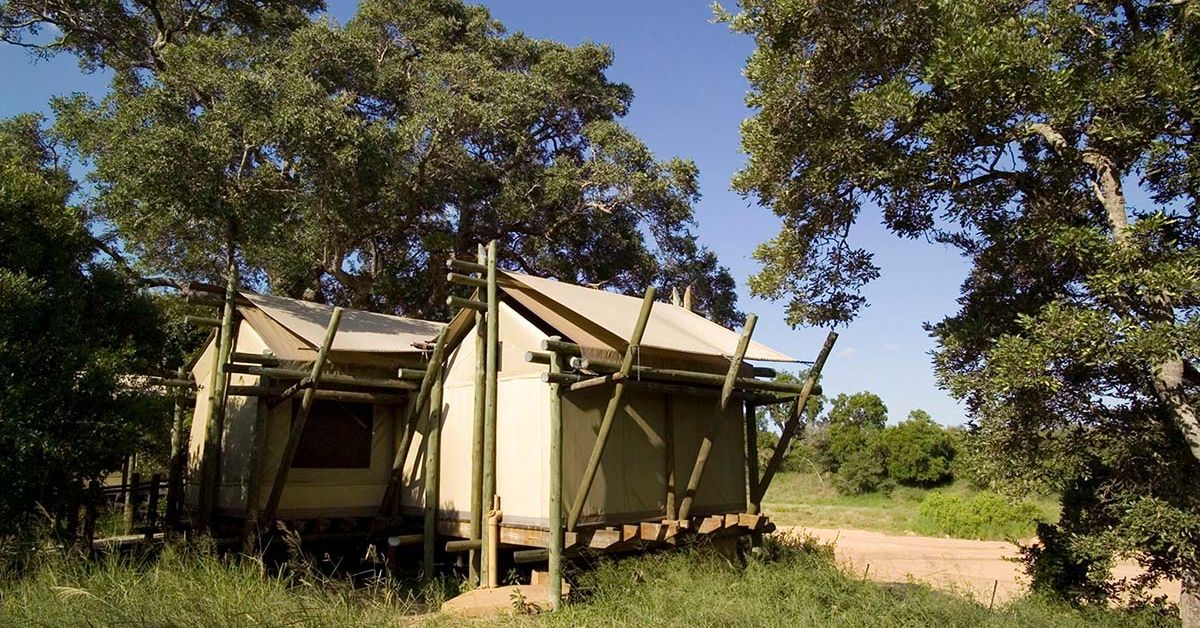
Tamboti and Maroela Satellite Camps
Tamboti offers semi-luxury and basic safari tents, and the semi-luxury tents have their own bathroom and kitchenette. Maroela is strictly for caravans and campers. Both sit on the Timbavati River a few kilometres from Orpen Rest Camp, with no shops or restaurants, so they offer a quieter, more immersive bush experience.
Tamboti and Maroela Satellite Camp Features
Tamboti is tucked into riverine bush on the banks of the Timbavati River, about 2 km east of Orpen Rest Camp, and gives a real sense of being in the wild:
- Tents only: Tamboti has safari tents and semi-luxury tents, with no chalets or bungalows.
- Riverside setting: The camp overlooks the Timbavati riverbed, which is usually dry, and the bush around it is dense and private.
- Boma area: A communal braai area where guests can cook and socialise around the fire after dark.
- Communal facilities: Two communal kitchens and two ablution blocks serve the safari tents. The semi-luxury tents have their own bathroom and kitchenette.
- Bird hide: A small hide in camp for birdwatchers.
- No shop or restaurant: There is no shop, restaurant, ATM or reception at the camp. Use the shop, fuel station and reception at Orpen Rest Camp.
Maroela is a camping-only site on the same stretch of river, and one of only two Kruger camps that cater exclusively for caravans and campers:
- 20 camp sites, each with a power point. Each site holds up to six people, one vehicle, and either a caravan with a side tent or a tent.
- One ablution block, one communal kitchen and a communal fridge. Cooking utensils, crockery and cutlery are not provided.
- Generators may only be used from one hour after sunrise to one hour before sunset.
- A small waterhole near the fence and a rustic viewing platform over the Timbavati River.
- No shop, restaurant or reception. Check in and shop at Orpen.
Common Animals Found Around Tamboti and Maroela Camp
The riverine woodland and the dry Timbavati riverbed attract a wide range of wildlife, and camp life itself is part of the show:
- Elephants: Herds and lone bulls often move along the riverbed beside the camps.
- Leopards: The thick bush along the river is good leopard habitat, and their calls are often heard at night.
- Hyenas: Heard and sometimes seen around the camps after dark.
- Honey badgers and genets: Regularly reported by campers around the camp kitchens and trees at night.
- Baboons and black-backed jackals: Common around both camps.
- Buffalo and bush babies: Both turn up around Maroela.
Keep food packed away at night, as honey badgers, hyenas and baboons all take advantage of unattended kitchens.
Tamboti and Maroela Accommodation Prices (2026/2027 Guidelines)
| Unit Type | April–Oct 2026 | Nov 2026–Oct 2027 |
|---|---|---|
| Tamboti Safari Tent (shared kitchen and bathroom) | From R949 (about $58) | From R821 (about $50), varies by season |
| Tamboti Semi-Luxury Tent (own bathroom and kitchenette) | From R2,195 (about $133) | From R1,870 (about $113), varies by season |
| Maroela Camp Site (caravans and campers, power point) | Confirm at booking | Confirm at booking |
| Rand per unit, per night. Tents include 2 guests. Maroela camp sites are priced per site, with up to 6 people and one vehicle per site. Daily conservation fees and the 1% community levy are charged on top. The second column applies from 1 November 2026 and shows the lowest rate in that period where rates vary by season. US dollar amounts are approximate, converted at R16.50 to US$1 (October 2026), and will vary with the exchange rate. Confirm at booking. | ||
Northern Kruger: Remote, Peaceful, and Biodiverse
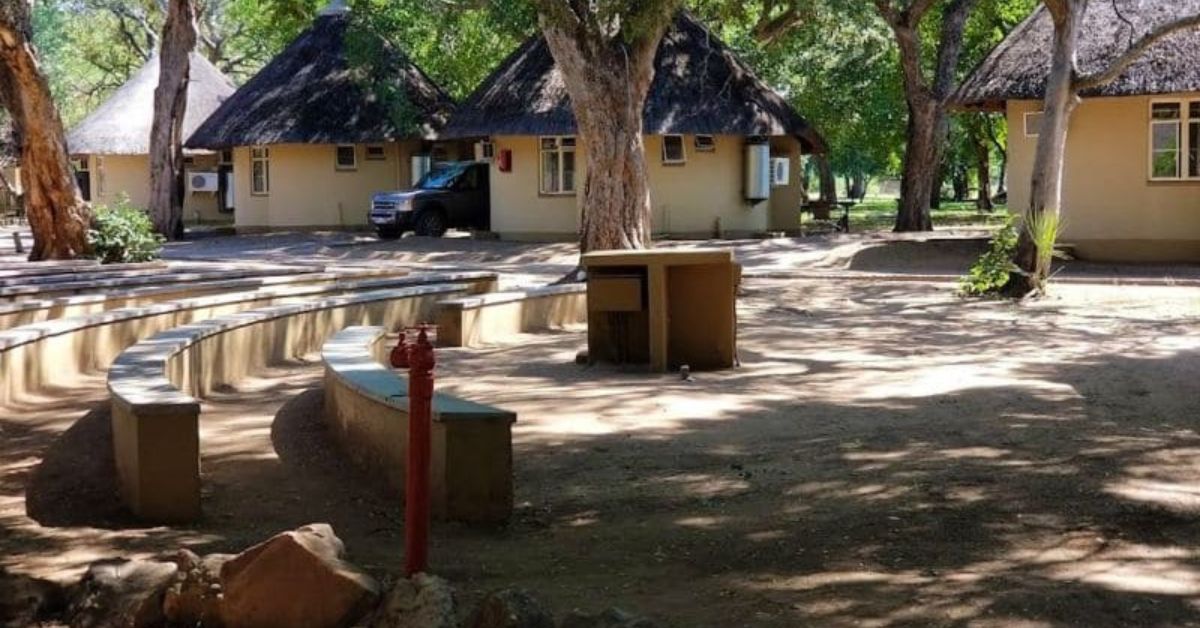
Letaba Rest Camp
A green, shady camp on a sweeping bend of the Letaba River, roughly midway between the park’s southern and northern boundaries. Accommodation includes huts, safari tents, bungalows, guest cottages, two guest houses and 60 camping sites. The camp has a restaurant, shop, the free Elephant Hall museum, swimming pools and a fuel station. The river attracts large elephant herds and excellent birdlife.
Letaba Camp Features
Letaba is one of the most scenic camps in the park, with a tranquil atmosphere under a canopy of large riverine trees:
- Elephant Hall Museum: A free museum open daily from 08:00 to 16:00, covering elephant evolution, biology and research, and displaying the ivory of eight of Kruger’s greatest tuskers, six of them among the Magnificent Seven.
- Riverbed views: The restaurant and public areas look out over the wide, sandy Letaba riverbed, where lion and cheetah kills have been seen in front of the restaurant.
- Shady setting: Sycamore figs, coral trees, lala palms and leadwood trees shade the camp, and fruit bats, vervet monkeys and tree squirrels live in it.
- Guided activities: Guided day drives and bush braais and breakfasts run from the camp. Ask at reception for current departure times.
- Facilities: A restaurant, a shop with a slimline ATM, a laundromat, communal kitchens and ablutions, cellphone reception and a filling station. The filling station accepts only petrol cards and cash, so carry extra cash or start with a full tank.
- Status after the floods: Letaba was damaged in the January 2026 floods and is being rebuilt in phases. The camping site, shop, reception, Elephant Hall and filling station have reopened, along with some restored units, while the restaurant and remaining units were targeted for reopening by the end of November 2026. Check with SANParks or reception before you book.
Common Animals Found Around Letaba Camp
The riverine forest and mopane shrubland around the camp create a diverse habitat:
- Elephants: Abundant, especially in the riverbed in front of the camp and along the river roads.
- Bushbuck: Shy antelope that live inside the camp and are often seen grazing near the units.
- Waterbuck: Plentiful along the river and easy to identify by the white ring on the rump.
- Buffalo: Common around the river.
- Hippos: Resident in the deeper pools of the Letaba River.
- Leopards: The dense riverine bush gives them cover, and sightings are a possibility along the river roads.
- Birds: Fish eagles and red-headed weavers are a highlight around the camp.
Letaba Accommodation Prices (2026/2027 Guidelines)
| Unit Type | April–Oct 2026 | Nov 2026–Oct 2027 |
|---|---|---|
| Camping Site | From R484 (about $29) | From R410 (about $25), varies by season |
| Hut (shared kitchen and bathroom) | From R1,149 (about $70) | From R1,223 (about $74) |
| Safari Tent (shared kitchen and bathroom) | From R947 (about $57) | From R845 (about $51), varies by season |
| Bungalow | From R1,753 (about $106) | From R1,539 (about $93), varies by season |
| Guest Cottage | From R3,730 (about $226) | From R3,178 (about $193), varies by season |
| Fish Eagle Guest House (sleeps 8 to 9) | From R9,676 (about $586) | From R9,459 (about $573), varies by season |
| Rand per unit, per night. Huts, tents and bungalows include 2 guests, guest cottages include 4, and campsites are priced per site. Daily conservation fees and the 1% community levy are charged on top. The second column applies from 1 November 2026 and shows the lowest rate in that period where rates vary by season; peak dates from 9 December to 12 January cost more. US dollar amounts are approximate, converted at R16.50 to US$1 (October 2026), and will vary with the exchange rate. Confirm at booking. | ||
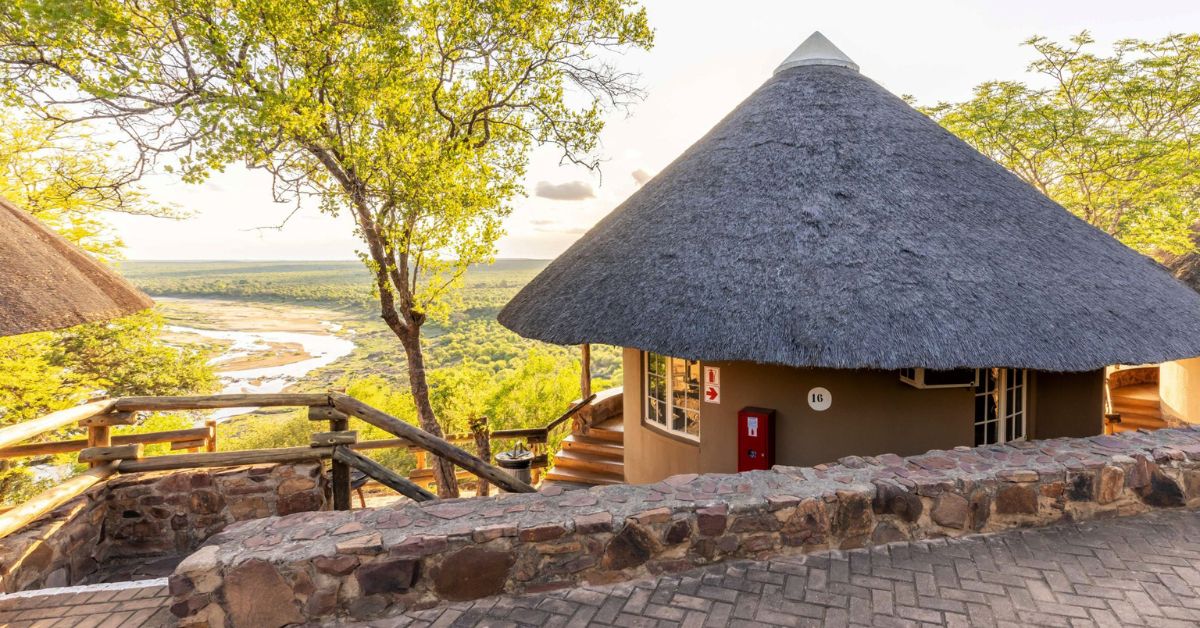
Olifants Rest Camp
Set on a hill several hundred feet above the Olifants River, this camp offers panoramic views and peaceful surroundings. Accommodation includes thatched bungalows, a guest cottage and two guest houses, Nshawu and Lebombo. Facilities include a shop, a restaurant, a filling station and a laundromat, and guided bush walks and astronomy game drives run from the camp. Wildlife along the river includes elephant, lion, leopard, hippo and crocodile.
Olifants Camp Features
The camp’s hilltop position gives guests a bird’s-eye view of the river and the wildlife along it:
- Lookout platforms: Shaded platforms over the river let guests sit and scan the valley below for hippos, crocodiles and elephants.
- Hilltop setting: The camp sits on rugged, rocky ground, with some units looking over the bushveld and the river valley. The four-bed bungalows have large verandas.
- Astronomy game drives: Guided drives after dark give guests a chance to see the night sky from the bush.
- Restaurant and shop: The restaurant overlooks the valley, and a small takeaway kiosk and a shop are also in camp. The camp has a filling station and a laundromat. There is no ATM, so bring cash.
- Guest houses: Nshawu and Lebombo each sleep 8. Nshawu has river views and a private plunge pool.
- No public swimming pool: Olifants doesn’t have a camp pool. Only Nshawu Guest House has its own plunge pool.
- Walking and trails: Guided bush walks, the Olifants Wilderness Trail, the Olifants Backpacking Trail and mountain biking are all available from the camp.
- Status after the floods: Olifants was closed after the January 2026 floods. Check current camp and restaurant status with SANParks before booking.
Common Animals Found Around Olifants Camp
The rugged, rocky terrain and the permanent water of the Olifants River attract a distinct mix of wildlife:
- Elephants: Herds come to the river to drink, and can be watched from the lookout platforms.
- Hippos: Resident in the pools of the Olifants River far below the camp.
- Crocodiles: Nile crocodiles are often seen on the sandbanks.
- Lions: Prides are seen along the river and the roads around the camp.
- Leopards: Present in the rocky, wooded terrain around the camp.
- Klipspringer: Sure-footed antelope that favour rocky slopes and may be seen around the camp.
- Cape clawless otters: Occasionally spotted along the river and from lookout points on the gravel road towards Letaba.
- Birds: Martial eagles are a highlight, and the sesame bush by the filling station is one of the few places in the park where it can be seen.
Olifants Accommodation Prices (2026/2027 Guidelines)
| Unit Type | April–Oct 2026 | Nov 2026–Oct 2027 |
|---|---|---|
| Bungalow | From R2,333 (about $141) | From R2,485 (about $151) |
| Nkambako Bungalow | From R3,280 (about $199) | From R3,494 (about $212) |
| Guest Cottage | From R3,529 (about $214) | From R3,759 (about $228) |
| Lebombo Guest House (sleeps 8) | From R9,676 (about $586) | From R9,459 (about $573), varies by season |
| Rand per unit, per night. Bungalows include 2 guests, guest cottages include 4, and the Lebombo Guest House includes 8. Olifants has no camping site. Daily conservation fees and the 1% community levy are charged on top. The second column applies from 1 November 2026 and shows the lowest rate in that period where rates vary by season; peak dates from 9 December to 12 January cost more. US dollar amounts are approximate, converted at R16.50 to US$1 (October 2026), and will vary with the exchange rate. Confirm at booking. | ||
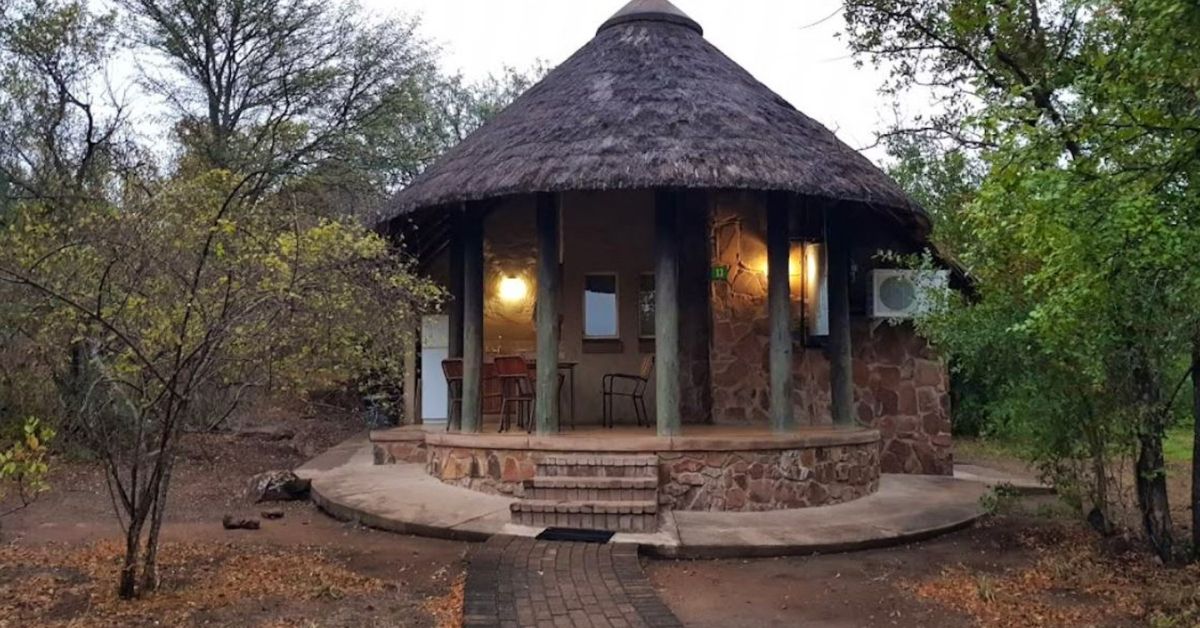
Mopani Rest Camp
Overlooking Pioneer Dam, Mopani offers air-conditioned bungalows, cottages and guest cottages, plus the Xanatseni Guest House. Facilities include a restaurant, shop, swimming pool, laundromat and fuel station. This part of Kruger is quieter but offers great sightings of elephants, buffalo and antelope.
Mopani Camp Features
Mopani sits on the banks of Pioneer Dam, surrounded by mopane veld, and offers some of the best water views in the northern half of the park:
- Pioneer Dam views: The restaurant looks out over the dam, which draws waterbirds, hippos and other wildlife. The Pioneer Dam Bird Hide is 4 km outside the camp.
- Shipandani sleep-over hide: This bird hide is about 3 km from camp on the S142 and can be booked for the night. It sleeps up to 6, with mattresses, bed linen and basic crockery provided. Only one party stays per night, and Mopani guests get a discounted rate.
- Giant baobab: A huge, gnarled baobab stands in the heart of the camp and is a favourite photo stop.
- Pool, shop and laundromat: The camp has a swimming pool, a shop that sells airtime, and a laundromat. There is a mini ATM in the restaurant, and a filling station on site.
- Conference venue: Mopani has a conference venue with a main hall for up to 300 people and breakaway rooms for up to 150, which suits corporate groups.
- Activities: Sunset drives with a boma braai, guided bush walks and game drives, an in-camp trail walk, and wildlife films shown daily at reception.
- Status after the floods: Mopani was only partly open after the January 2026 floods. Check current camp and restaurant status with SANParks before booking.
Common Animals Found Around Mopani Camp
The dense mopane woodland and the permanent water of Pioneer Dam attract a good mix of wildlife:
- Hippos: A resident hippo population lives in Pioneer Dam.
- Elephants and buffalo: Both are regularly seen around the dam and on the roads near camp.
- Tsessebe: This rarer, very fast antelope is seen on the open plains of the Tropic of Capricorn loop and the Nshawu pans, a short drive from the camp.
- Waterbuck: Found around the dam and the drainage lines.
- Lions: Lions are seen on the roads around the camp.
- Smaller sightings: Zebra, blue wildebeest, caracal, black-backed jackal and African fish eagle all feature on the camp’s wildlife list.
Mopani Accommodation Prices (2026/2027 Guidelines)
| Unit Type | April–Oct 2026 | Nov 2026–Oct 2027 |
|---|---|---|
| Bungalow | From R1,888 (about $114) | From R1,590 (about $96), varies by season |
| Cottage | From R2,159 (about $131) | From R1,800 (about $109), varies by season |
| Guest Cottage | From R3,433 (about $208) | From R2,922 (about $177), varies by season |
| Xanatseni Guest House (sleeps 8) | From R9,639 (about $584) | From R8,975 (about $544), varies by season |
| Rand per unit, per night. Bungalows and cottages include 2 guests, guest cottages include 4, and the Xanatseni Guest House includes 8. Mopani has no camping site. Daily conservation fees and the 1% community levy are charged on top. The second column applies from 1 November 2026 and shows the lowest rate in that period; peak dates from 9 December to 12 January cost more. US dollar amounts are approximate, converted at R16.50 to US$1 (October 2026), and will vary with the exchange rate. Confirm at booking. | ||
Shingwedzi Rest Camp
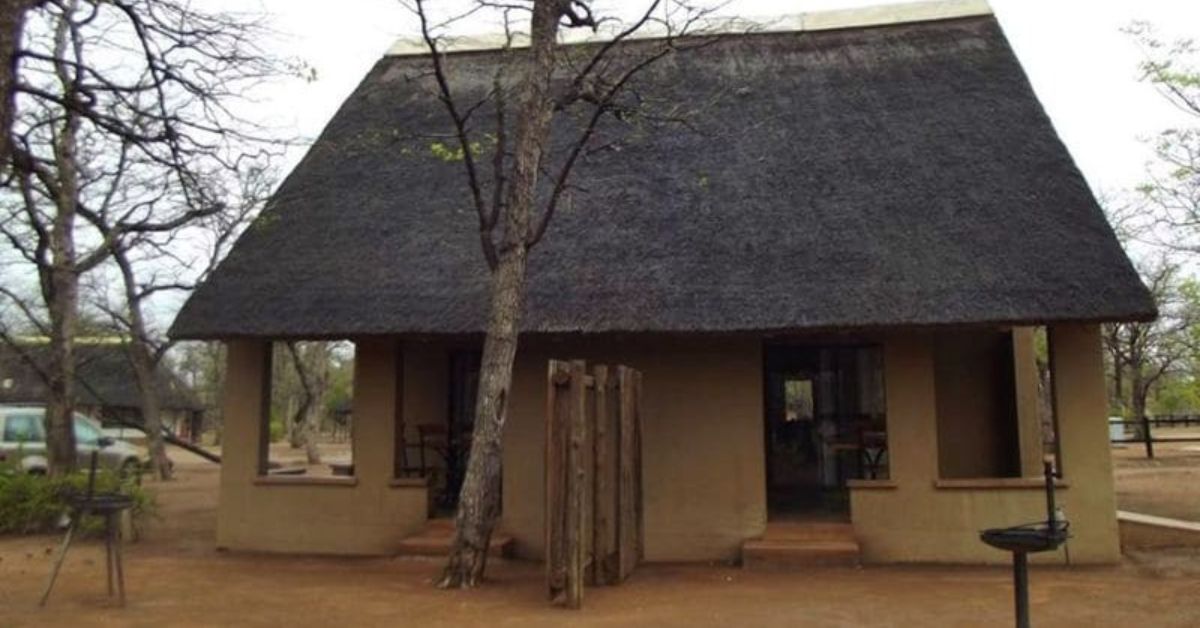
Located along the Shingwedzi River in the heart of mopane country, this camp has a classic bushveld atmosphere. Accommodation includes huts, round-roomed bungalows, a riverside cottage, the Rentmeester Guest House and 60 camping sites. Facilities include a restaurant, cafeteria, shop, swimming pool, laundromat and fuel station. Elephant and buffalo are common, as well as kudu, waterbuck and prolific birdlife.
Shingwedzi Camp Features
Shingwedzi is loved for its old-world charm and its setting among large trees on the banks of the river:
- Shingwedzi River drive (S50): The road that follows the river southeast of camp is one of the best scenic drives in the north. Elephant, waterbuck, nyala and kudu are commonly seen along it, and the birdlife is prolific. The river flows only in summer, and in winter the shrinking pools draw wildlife in.
- Kanniedood Dam: The old dam wall on the S50 was demolished by SANParks in March 2026 as part of river rehabilitation. The S50 drive is still worth doing, but check with SANParks or reception for current game-viewing spots and whether the Kanniedood bird hide, about 7 km east of camp, is open. The Ntishivana bird hide is about 30 km east.
- Rustic layout: The bungalows and the luxury guest house sit in two rings around braai stands in a clearing by the river, giving the camp its traditional Kruger character.
- Swimming pool: A pool offers relief from the heat of the north.
- Amenities: A restaurant, cafeteria, shop, laundromat and filling station, and a mini ATM inside the restaurant. The filling station sells diesel and unleaded petrol only, so check with reception if you need anything else.
- Activities: Guided bush walks and game drives with field guides, wildlife films most evenings, and the Northern Plains 4×4 Adventure Trail.
- Status after the floods: Shingwedzi was closed after the January 2026 floods and reopened on 6 March 2026, initially accessible only through Punda Maria and Pafuri Gates. Check current access and camp status with SANParks before you travel.
Common Animals Found Around Shingwedzi Camp
The riverine forest and mopane veld around the camp host a good variety of wildlife:
- Elephant and buffalo: Both are common along the river drives.
- Kudu, nyala and waterbuck: Regularly seen along the river, and nyala favour the thick riverine bush.
- Leopards: The big trees lining the Shingwedzi River make good leopard habitat, and sightings are possible along the river road.
- Hippos: Found in the deeper river pools.
- Spotted hyenas: Heard and sometimes seen around the camp at night.
- Lions and wild dogs: Both are listed for the area.
- Northern plains game: North of Babalala, about 30 km from camp, the open plains hold cheetah, roan, sable, tsessebe, eland and Lichtenstein’s hartebeest.
- Birds: Kingfishers and other waterbirds are common along the river.
Shingwedzi Accommodation Prices (2026/2027 Guidelines)
| Unit Type | April–Oct 2026 | Nov 2026–Oct 2027 |
|---|---|---|
| Camping Site | From R484 (about $29) | From R410 (about $25), varies by season |
| Hut (shared kitchen and bathroom) | From R900 (about $55) | From R769 (about $47), varies by season |
| Bungalow | From R1,812 (about $110) | From R1,589 (about $96), varies by season |
| Cottage (riverside) | From R2,636 (about $160) | From R2,636 (about $160), varies by season |
| Rentmeester Guest House (sleeps 8) | From R8,065 (about $489) | From R7,479 (about $453), varies by season |
| Rand per unit, per night. Huts and bungalows include 2 guests, the cottage includes 4, the Rentmeester Guest House includes 8, and campsites are priced per site. Daily conservation fees and the 1% community levy are charged on top. The second column applies from 1 November 2026 and shows the lowest rate in that period; peak dates from 9 December to 12 January cost more. US dollar amounts are approximate, converted at R16.50 to US$1 (October 2026), and will vary with the exchange rate. Confirm at booking. | ||
Punda Maria Rest Camp
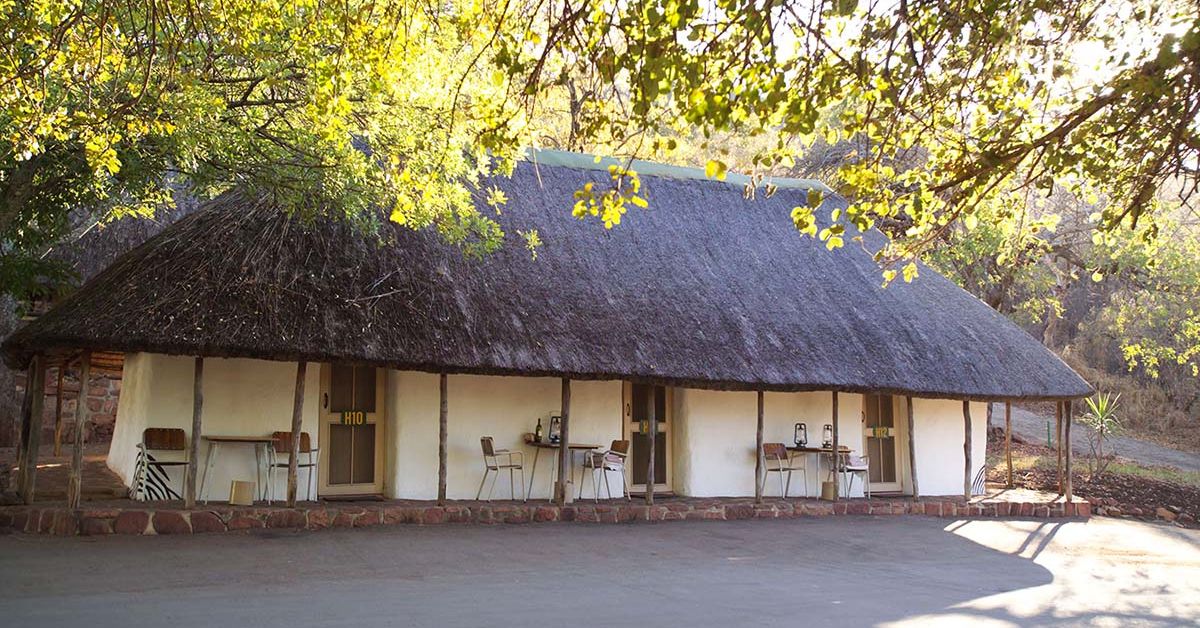
In the far north, Punda Maria is a lush camp known for exceptional birding and botanical interest. Accommodation includes safari tents, bungalows, family cottages, Russell Guest Cottage and 61 camping sites. The camp has a restaurant, cafeteria, shop and petrol station. Look out for nyala, Sharpe’s grysbok and crested guineafowl, and for suni antelope on the Mahonie Loop.
Punda Maria Camp Features
Punda Maria has a retreat feel, far from the busier southern sections of the park:
- Birdwatching and botany: SANParks calls the area a bird paradise, and the sandveld around the camp is often called the botanical garden of the park, with many species found nowhere else in Kruger. The Luvuvhu River near Pafuri, a long drive from camp, is the place for specialist northern birds such as Pel’s fishing owl, though it is hard to find even for dedicated birders.
- Historical charm: The camp’s name dates to 1919 and was restored to Punda Maria in 1981 after a spell as Punda Milia. Original thatched, mud-walled huts from 1933 are still part of the camp’s character.
- Waterhole bird hide: A bird hide overlooks a waterhole on the fence of the camping site.
- Mahonie Loop: A scenic drive through baobab-dotted country with frequent elephant sightings. It’s the best place in the park to see suni antelope.
- Amenities: A restaurant with a mini ATM, a cafeteria, a shop, a laundromat and a filling station. The swimming pool is closed for major renovation, so check its status with SANParks.
- Activities: Guided bush walks and game drives, the Paradise Flycatcher camp walk, and the overnight Nyalaland Wilderness Trail.
- Status after the floods: The north was affected by the January 2026 floods. Check current access and camp status with SANParks before you travel.
Common Animals Found Around Punda Maria Camp
The sandveld and hills of the north support species that are much rarer in the south:
- Sharpe’s grysbok: A tiny, shy antelope that thrives in the area and is on SANParks’s list of things to seek.
- Nyala: Common in the northern forests and bush around the camp.
- Kudu: Seen throughout the hilly bush around the camp.
- Suni: A tiny antelope that is best seen on the Mahonie Loop.
- Predators and elephant: Lion, wild dog and elephant are frequently recorded in the area.
- Other plains game: Impala, zebra, eland and sable, with tsessebe also recorded.
- Crested guineafowl: Unlike the common helmeted guineafowl, these have a mop-top crest and are a highlight of the northern forests.
Punda Maria Accommodation Prices (2026/2027 Guidelines)
| Unit Type | April–Oct 2026 | Nov 2026–Oct 2027 |
|---|---|---|
| Camping Site | From R484 (about $29) | From R399 (about $24), varies by season |
| Bungalow | From R1,528 (about $93) | From R1,275 (about $77), varies by season |
| Safari Tent | From R1,776 (about $108) | From R1,522 (about $92), varies by season |
| Russell Guest Cottage (sleeps 4) | From R3,873 (about $235) | From R3,329 (about $202), varies by season |
| Family Cottage (sleeps 6) | From R4,441 (about $269) | From R4,121 (about $250), varies by season |
| Rand per unit, per night. Bungalows and safari tents include 2 guests, Russell Guest Cottage includes 4, family cottages include 6, and campsites are priced per site. Daily conservation fees and the 1% community levy are charged on top. The second column applies from 1 November 2026 and shows the lowest rate in that period; peak dates from 9 December to 12 January cost more. US dollar amounts are approximate, converted at R16.50 to US$1 (October 2026), and will vary with the exchange rate. Confirm at booking. | ||
Bush Camps and Bush Lodges: Intimate and Untamed
Biyamiti Bush Camp
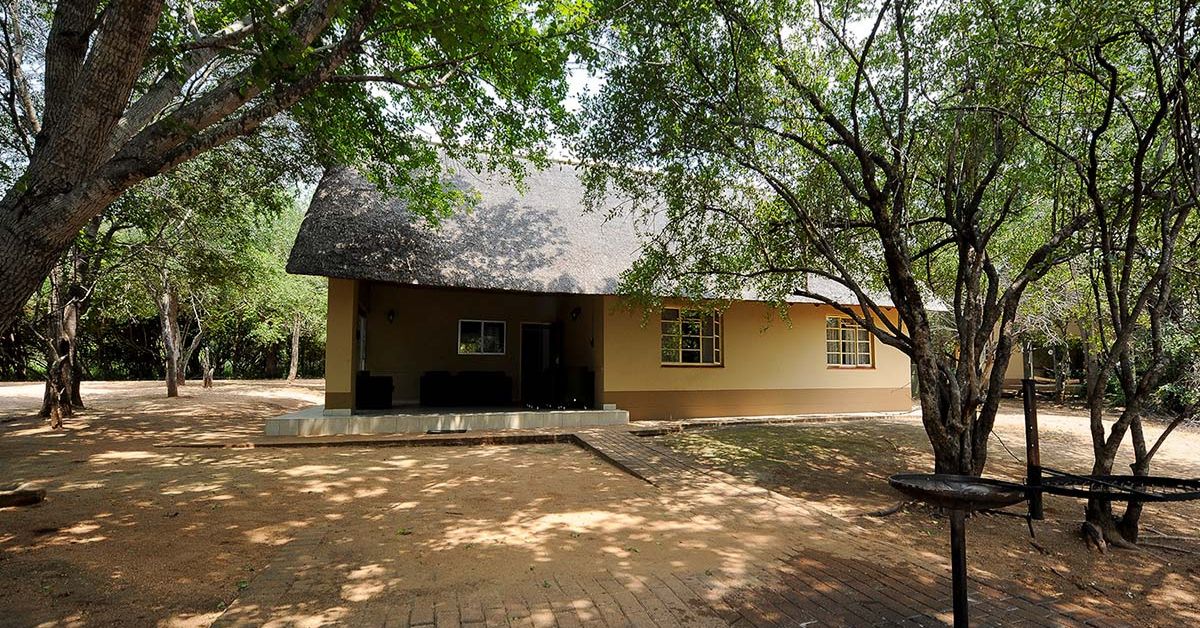
A small camp on the banks of the Biyamiti River, hidden by Delagoa thickets. Its 15 cottages have full kitchens and their own bathrooms. There are no restaurants or fuel station, and only residents can enter the camp, which makes for a quiet, private experience. Wildlife in this area includes leopard, hyena, kudu, giraffe, lion and wild dog.
Biyamiti Bush Camp Features
Biyamiti is prized for its seclusion and for the game-spotting along its river:
- Residents only: The camp and its access road are open only to guests with a booking, so game viewing near the camp stays quiet.
- Riverine setting: The cottages are spread along the river among wild fig and jackalberry trees and Delagoa thickets, which gives them shade and a dense bush feel.
- Intimate size: With only 15 units, 5 one-bedroom cottages and 10 two-bedroom guest cottages, it is much smaller than the main rest camps. It holds about 70 guests at most.
- Self-catering: Each unit has its own braai area, electric plug points and a kitchen with utensils, crockery and cutlery. Cottages are serviced daily with bedding, towels and soap.
- Limited facilities: There is no restaurant and no ATM. A small shop at reception sells firewood, ice and phone cards, but no food or meat, so bring all your groceries. Larger camps nearby can supply anything else.
- Gate times: The camp gate closes at night and no permits are issued for late arrivals, so plan your drive in. The camp is about 39 km, roughly 2 hours, from Malelane Gate.
- Status after the floods: Biyamiti was closed after the January 2026 floods. Check current camp and access status with SANParks before you book.
Common Animals Found Around Biyamiti Bush Camp
SANParks calls the area “a game spotter’s dream,” and the mix of river and thicket delivers:
- Lions: Prides range through this productive southern area.
- Wild dogs: SANParks lists them as one of the “things to seek” around Biyamiti.
- Leopards and hyenas: Both are recorded around the camp.
- Hippos: Found in the pools of the Mbiyamiti River.
- Giraffes and kudu: Common browsers in the surrounding bush.
- Smaller sightings: Cheetah, white-tailed mongoose and the orange-breasted bush shrike are also on SANParks’s list.
Biyamiti Accommodation Prices (2026/2027 Guidelines)
| Unit Type | April–Oct 2026 | Nov 2026–Oct 2027 |
|---|---|---|
| 1-Bedroom Cottage (Cottage 1) | From R2,219 (about $134) | From R2,363 (about $143) |
| 1-Bedroom Cottage (Cottage 2) | From R2,515 (about $152) | From R2,679 (about $162) |
| 2-Bedroom Guest Cottage (Guest Cottage 1) | From R4,058 (about $246) | From R4,322 (about $262) |
| 2-Bedroom Guest Cottage (Guest Cottage 2) | From R4,473 (about $271) | From R4,764 (about $289) |
| Rand per unit, per night. Cottages include 2 guests and guest cottages include 4. Biyamiti has no camping site. Daily conservation fees and the 1% community levy are charged on top. The second column applies from 1 November 2026. US dollar amounts are approximate, converted at R16.50 to US$1 (October 2026), and will vary with the exchange rate. Confirm at booking. | ||
Talamati Bush Camp
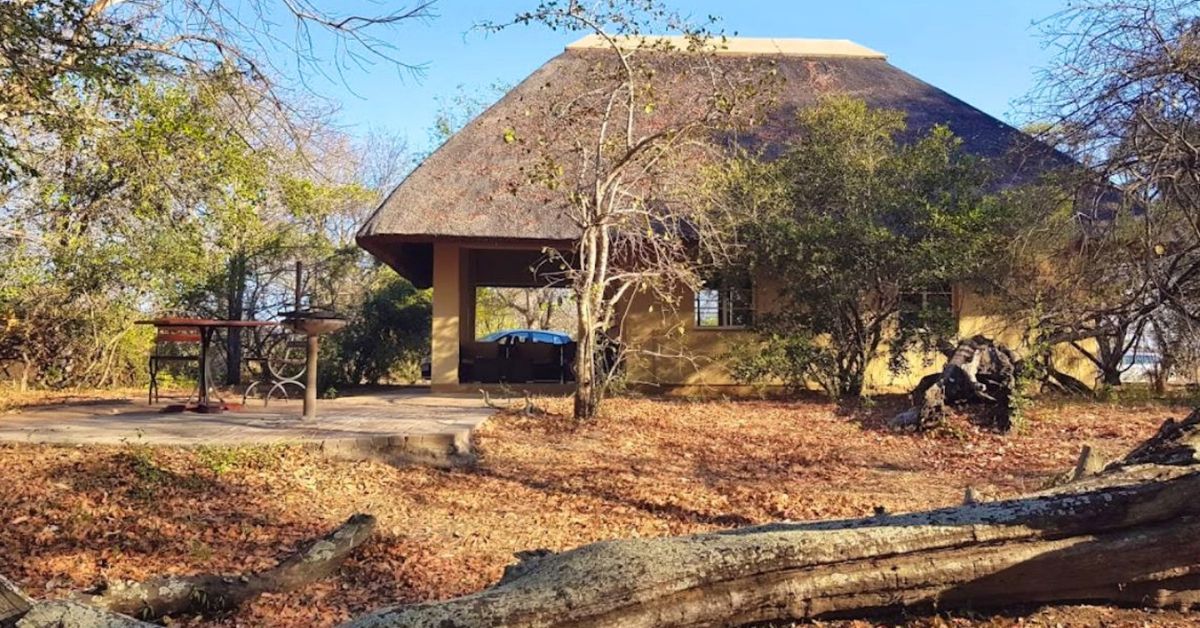
Located in prime game-viewing terrain, Talamati has cottages with kitchens and braai areas. It has a waterhole and a bird hide inside the camp, which are great for wildlife viewing around the clock. Lion and leopard sightings are common.
Talamati Bush Camp Features
Talamati offers an intimate connection to the bush through its limited capacity and its waterhole hide:
- Open verandas: The cottages have open verandas where guests can eat a meal and watch the bush from the doorstep.
- Waterhole bird hide: A hide inside the camp overlooks the waterhole. SANParks says animal activity there continues around the clock, so night-time sightings are possible.
- Guided bush walks: Guided walks on foot with trained field guides run from the camp, in small groups.
- Secluded atmosphere: The camp has 15 cottages and takes about 80 guests, and only overnight residents may enter the camp and its access roads.
- Boma and braai: A communal boma braai area, plus a braai at every unit.
- Mini shop: A small shop at reception sells firewood and phone cards, but no food or meat, so bring your own supplies. There is no ATM, and the camp is about 30 km, around 1.5 hours, from Orpen Gate.
- Status after the floods: Talamati was closed after the January 2026 floods and its access roads were affected again in March. Check current camp and access status with SANParks before you book.
Common Animals Found Around Talamati Bush Camp
The sloping valley, hills and lush grassveld attract large herds of grazers and the predators that follow them:
- Lions: Seen and heard in the area, following the herds of grazers.
- Sable antelope: One of the five things SANParks suggests you look out for at Talamati.
- Hyenas and leopards: Both are also on SANParks’s list of things to seek.
- Giraffes: Often seen browsing among the knob thorn and bushwillow trees that dominate the valley.
- Zebra, buffalo, eland and kudu: Common across the grassveld.
- Rhino: Recorded in the area, and the guided walks sometimes track rhino, elephant and lion on foot.
- Mongoose: Another of SANParks’s things to seek.
The camp’s name is Xitsonga for “lots of water.” The river itself is dry, but clay soil holds underground water that keeps the vegetation green all year.
Talamati Accommodation Prices (2026/2027 Guidelines)
| Unit Type | April–Oct 2026 | Nov 2026–Oct 2027 |
|---|---|---|
| Cottage | From R2,207 (about $134) | From R1,870 (about $113), varies by season |
| Guest Cottage | From R4,058 (about $246) | From R3,450 (about $209), varies by season |
| Rand per unit, per night. Cottages include 2 guests and guest cottages include 4. Talamati has no camping site. Daily conservation fees and the 1% community levy are charged on top. The second column applies from 1 November 2026 and shows the lowest rate in that period; peak dates from 9 December to 12 January cost more. US dollar amounts are approximate, converted at R16.50 to US$1 (October 2026), and will vary with the exchange rate. Confirm at booking. | ||
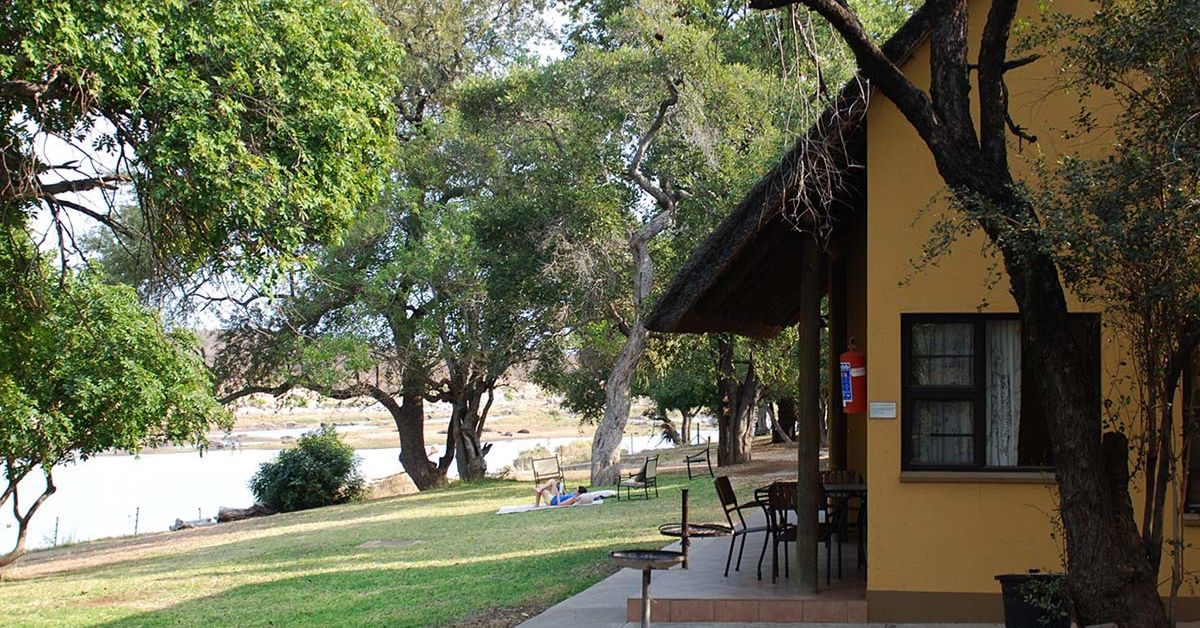
Shimuwini Bush Camp
This quiet bushveld camp on the Letaba River has cottages with water views and no plug points, so you get a real break from the grid. It’s scenic and remote, with hippo and crocodile in the water and excellent birdlife. The name means “Place of the Baobab Tree.”
Shimuwini Bush Camp Features
Shimuwini offers a blend of remote seclusion and unusual communal facilities:
- Water views: The cottages sit in a long, spaced line along the water, with views across to birds and game on the far bank.
- Swimming pool at the boma: The camp has a swimming pool next to the communal boma braai area.
- Bird hide: A hide inside the camp lets guests watch birdlife and the hippos and crocodiles in the water.
- Baobabs: The Letaba River here is lined with baobabs, and one is estimated to be 2,000 to 3,000 years old.
- No plug points: Units have no plug points for appliances. Reception offers limited charging for small items such as phones, torches and laptops, so bring a power bank.
- Mini shop: A small shop at reception sells firewood, ice and phone cards, but no food or meat. There is no ATM, and the camp is about 50 km, roughly 2 hours, from Phalaborwa Gate.
- Residents only: Only overnight guests may enter the camp and its access roads. Shimuwini is the most modern bushveld camp, rebuilt after the 2000 floods.
- Status after the floods: Shimuwini was closed after the January 2026 floods, and as of mid-July 2026 its restoration was still under way. Check current camp status with SANParks before you book.
Common Animals Found Around Shimuwini Bush Camp
The permanent water attracts a good mix of riverine wildlife:
- Hippos and crocodiles: Resident in the water along the camp.
- Sable and roan antelope: Both are listed for the area.
- Waterbuck: One of the sightings SANParks suggests looking out for along the river.
- Caracal: Elusive, but listed among the “5 things to seek” at Shimuwini.
- Eland: One of the largest antelope, found in the mixed bushwillow and mopane woodland.
- Predators: Lion, cheetah, leopard and hyena are all recorded around the camp.
- Baboons and baobabs: Baboons and the giant baobabs round out SANParks’s list of things to seek here.
Shimuwini Accommodation Prices (2026/2027 Guidelines)
| Unit Type | April–Oct 2026 | Nov 2026–Oct 2027 |
|---|---|---|
| Cottage (1 bedroom, sleeps 4) | From R2,096 (about $127) | From R1,778 (about $108), varies by season |
| Guest Cottage (2 or 3 bedrooms) | From R3,494 (about $212) | From R3,014 (about $183), varies by season |
| Rand per unit, per night. Cottages include 2 guests and guest cottages include 4. Shimuwini has no camping site. Daily conservation fees and the 1% community levy are charged on top. The second column applies from 1 November 2026 and shows the lowest rate in that period; peak dates from 9 December to 12 January cost more. US dollar amounts are approximate, converted at R16.50 to US$1 (October 2026), and will vary with the exchange rate. Confirm at booking. | ||
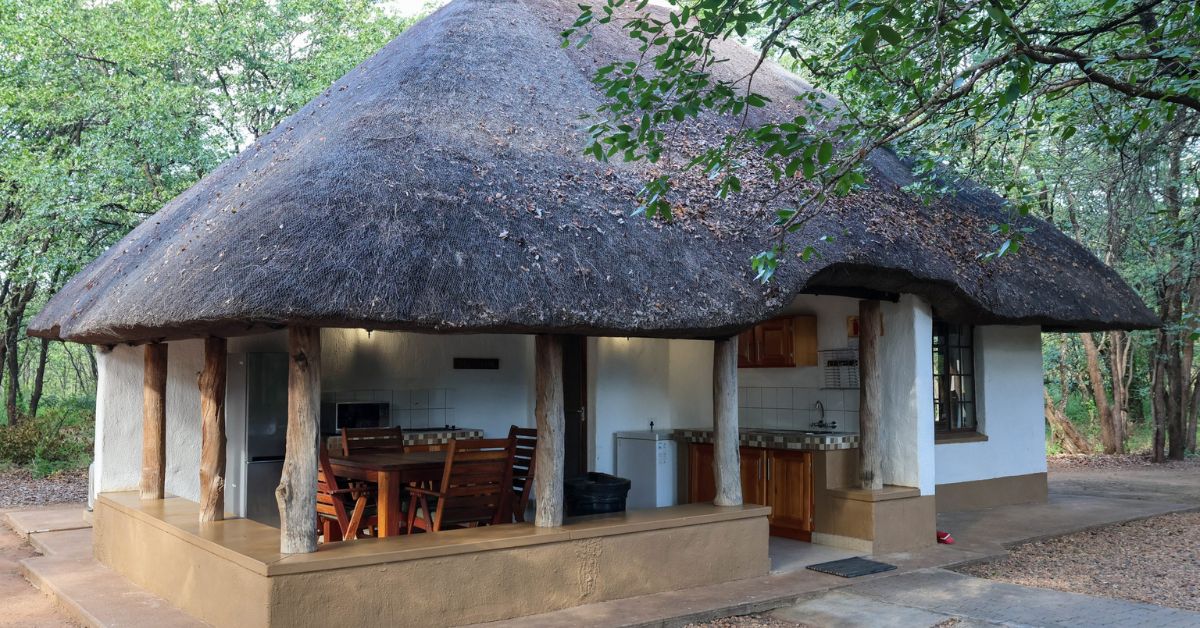
Bateleur Bush Camp
The oldest and smallest bush camp in Kruger, about 40 km south-west of Shingwedzi. It has 7 comfortable self-catering cottages, a conference room, and two dams that only overnight guests may use. A hide overlooks a waterhole just outside the camp.
Bateleur Bush Camp Features
Bateleur combines privacy with access to some of the quietest water in the north of the park:
- Resident-only dams: The Silvervis and Rooibosrand dams are close to the camp and open only to Bateleur guests. Silvervis is known for its birdlife.
- Game-viewing hide: A hide just outside the camp overlooks a waterhole and is a quiet spot for watching game.
- Small and old: Bateleur has only 7 cottages, 4 with two bedrooms (sleeping 4) and 3 with three bedrooms (sleeping 6), making it the smallest bush camp in the park.
- Self-catering comforts: Each cottage has its own braai and electricity points. Bedrooms are either air-conditioned or have ceiling fans, and units are serviced daily with bedding, towels and soap. Firewood is sold in camp.
- Conference facilities: A conference room seats about 30 to 34 delegates and has a projection screen, whiteboard and TV. A reed-enclosed boma with a bread oven sits next to it.
- Nearest amenities: Shingwedzi, about 40 km away, has a restaurant, cafeteria and a fully stocked shop.
- Status after the floods: Bateleur was affected by the January 2026 floods and reopened shortly afterwards. Check current access and camp status with SANParks before you book.
Common Animals Found Around Bateleur Bush Camp
The two dams, the waterhole and the mopane woodland attract a good mix of wildlife:
- Hippos and crocodiles: Seen at the dams.
- Tsessebe: A rare, fast antelope recorded around the camp.
- Leopards: Listed for the area and elusive.
- Nyala and bushbuck: Seen in the thicker vegetation.
- Plains game: Blue wildebeest, zebra and buffalo may be seen.
- Birds: African spoonbill, yellow-billed stork and African fish eagle are all recorded, with good birding around Silvervis.
Bateleur Accommodation Prices (2026/2027 Guidelines)
| Unit Type | April–Oct 2026 | Nov 2026–Oct 2027 |
|---|---|---|
| Guest Cottage (2 or 3 bedrooms) | From R3,480 (about $211) | From R3,003 (about $182), varies by season |
| Rand per unit, per night. Guest cottages include 4 guests. Bateleur has no camping site. Daily conservation fees and the 1% community levy are charged on top. The second column applies from 1 November 2026 and shows the lowest rate in that period; peak dates from 9 December to 12 January cost more. US dollar amounts are approximate, converted at R16.50 to US$1 (October 2026), and will vary with the exchange rate. Confirm at booking. | ||
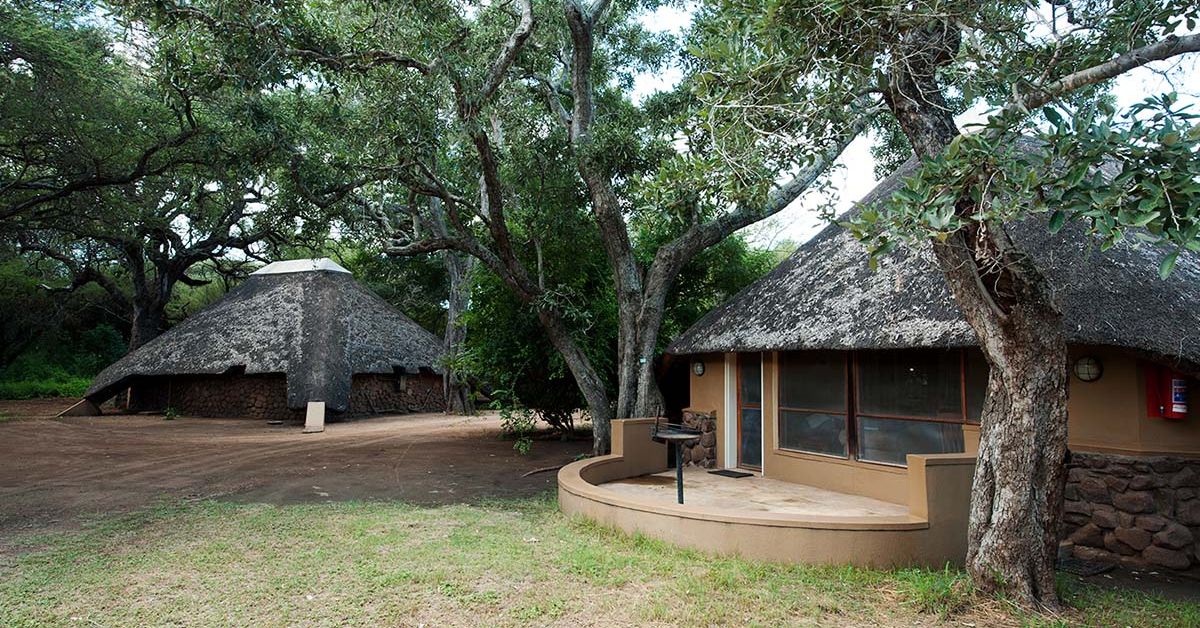
Roodewal Bush Lodge
Available only for group bookings, this exclusive-use lodge accommodates up to 18 guests. It sits on the banks of the Timbavati River, 44 km north of Satara, and includes a fully equipped kitchen, a spacious dining room, a private viewing deck and excellent game viewing.
Roodewal Bush Lodge Features
This rustic lodge is designed for families and larger groups who want the bush to themselves:
- Exclusive group use: The lodge sleeps up to 18 guests, and the whole camp must be booked together, so no other guests share it. Day visitors are not allowed.
- Viewing deck: A private deck on stilts looks out over the Timbavati River, one of the park’s most beautiful seasonal rivers.
- Solar power: Solar panels run the lights and fans. There are no plug points for appliances and no cellphone reception, so bring power banks and a printed map.
- Self-catering: A fully equipped kitchen has a gas stove, oven, fridge and freezer, and there is a spacious dining room. Utensils, crockery and cutlery are provided.
- Accommodation: One family cottage with two double bedrooms and three bungalows, each with three beds and a loft with two mattresses.
- No amenities on site: There is no shop, restaurant, reception or fuel station. Stock up at Satara or Olifants, which are 44 km and 28 km away.
- Activities: The lodge offers no activities of its own, but guided bush walks and game drives can be arranged through Satara, subject to availability.
- Getting there: The lodge is about 75 km, roughly 3 hours, from Orpen Gate.
Common Animals Found Around Roodewal Bush Lodge
The seasonal Timbavati River and the ridge of aloes, seringas and euphorbias around the lodge attract a good range of wildlife:
- Elephants: One of the five sightings SANParks suggests looking out for.
- Lions: Also on SANParks’s list of things to seek.
- Nyala: The thick riverine bush of Natal mahogany and jackalberry suits them, and SANParks lists them as a local highlight.
- Martial eagles: Large raptors that are another of SANParks’s five sightings for this lodge.
- Night egrets: Seen along the river.
Roodewal Accommodation Prices (2026/2027 Guidelines)
| Booking Type | April–Oct 2026 | Nov 2026–Oct 2027 |
|---|---|---|
| Entire Lodge (up to 18 guests) | From R12,080 (about $732) | From R11,679 (about $708), varies by season |
| Rand per night for the whole lodge, which must be booked en bloc. Roodewal has no camping site. Daily conservation fees and the 1% community levy are charged on top. The second column applies from 1 November 2026 and shows the lowest rate in that period; peak dates from 9 December to 12 January, and from 19 March 2027, cost more (from R12,865, about $780). US dollar amounts are approximate, converted at R16.50 to US$1 (October 2026), and will vary with the exchange rate. Confirm at booking. | ||
Private Hotels and Lodges Inside Kruger National Park
These exclusive lodges operate on private concessions within the park and offer all-inclusive luxury experiences.
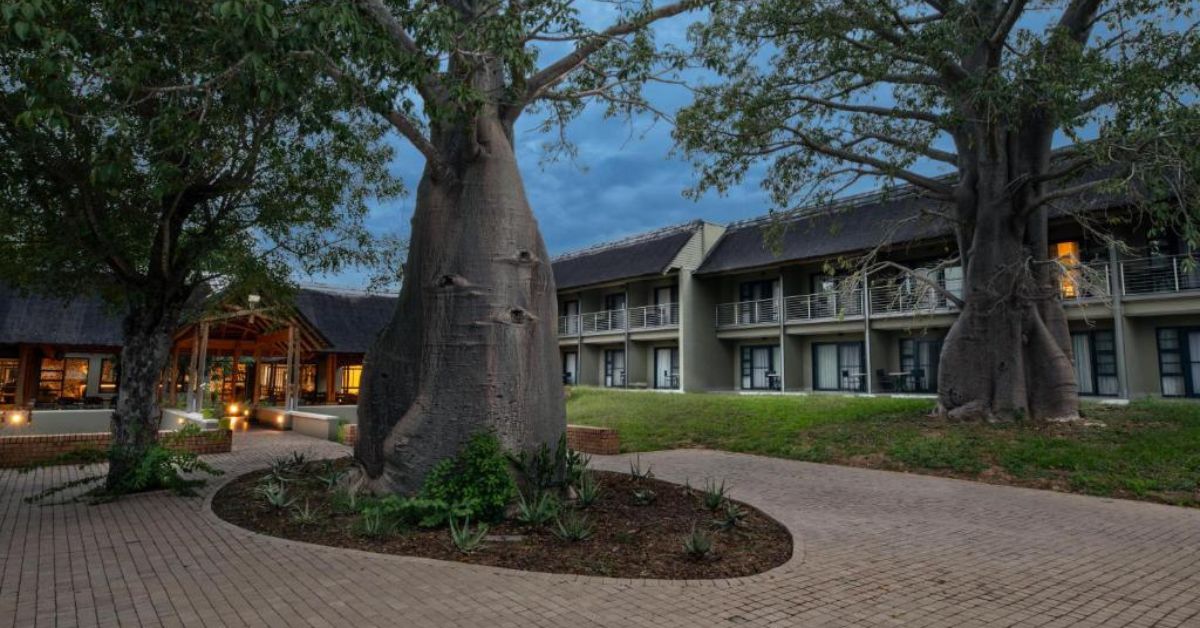
Skukuza Safari Lodge
Located within Skukuza Rest Camp, this modern hotel-style lodge offers air-conditioned rooms, a restaurant, meeting facilities and walking access to the rest of Skukuza’s amenities. It’s run by aha Hotels & Lodges and is ideal for travellers who prefer hotel-style comfort while staying inside the park. The nearby Skukuza Airport allows for easy fly-in access.
Skukuza Safari Lodge Features
The lodge is designed for travellers who want the comforts of a hotel in the heart of Big Five territory:
- Rooms and suites: 128 air-conditioned rooms, including 91 standard rooms, family rooms with interleading doors, universally accessible rooms and eight luxury suites with a lounge, kitchenette and dining table.
- AM Spa: The spa has four treatment rooms for couples and singles, two outdoor treatment areas, a manicure and pedicure bar and a pool. It is open daily from 09:00 to 18:00.
- Dining: Breakfast, lunch and dinner at the Amukelekani Restaurant, with buffet and à la carte menus, plus Untamed Bush Braais, which are held on a game drive at a lantern-lit open site.
- Conference centre: The Nombolo Mdhluli Conference Centre, within walking distance, has a main hall and four breakaway rooms for up to 500 delegates, with a data projector, screen, PA system and translation booth. The Mondzo Meeting Room suits smaller meetings and interviews.
- Activities: Guided morning, sunset and night game drives, bush walks in groups of up to eight, and golf at the Skukuza golf course on the edge of the rest camp.
Common Animals Found Around Skukuza Safari Lodge
Skukuza sits in one of the park’s most productive regions, so wildlife encounters are frequent:
- Leopards: The riverine bush near Skukuza and along the Skukuza to Lower Sabie road (H4-1) has a reputation for leopard sightings.
- Lions: Lions are regularly seen on the roads around Skukuza, including the H3 from Malelane and the H4-1.
- Warthogs: A constant presence around Skukuza and the golf course.
- Hippos: Seen in the Sabie River, which flows past the camp, and sometimes on the golf course.
- Bushbuck and kudu: Frequent in the riverine bush around the camp.
Skukuza Lodge Accommodation Prices (2026/2027 Guidelines)
| Room Type | 1 April 2026 – 31 March 2027 |
|---|---|
| Standard Room (bed and breakfast, per person sharing) | From R1,749 (about $106) per person, per night |
| Family Room and Luxury Suite | Confirm with the lodge |
| Rand per person sharing, per night, for South African residents. Single occupancy carries a 50% supplement, and a two-night minimum applies. International rates are available on request, and rates differ during peak periods, public holidays and long weekends. Activities, Kruger Park gate fees and conservation fees are charged separately. US dollar amounts are approximate, converted at R16.50 to US$1 (October 2026), and will vary with the exchange rate. Confirm with the lodge or aha Hotels & Lodges. | |
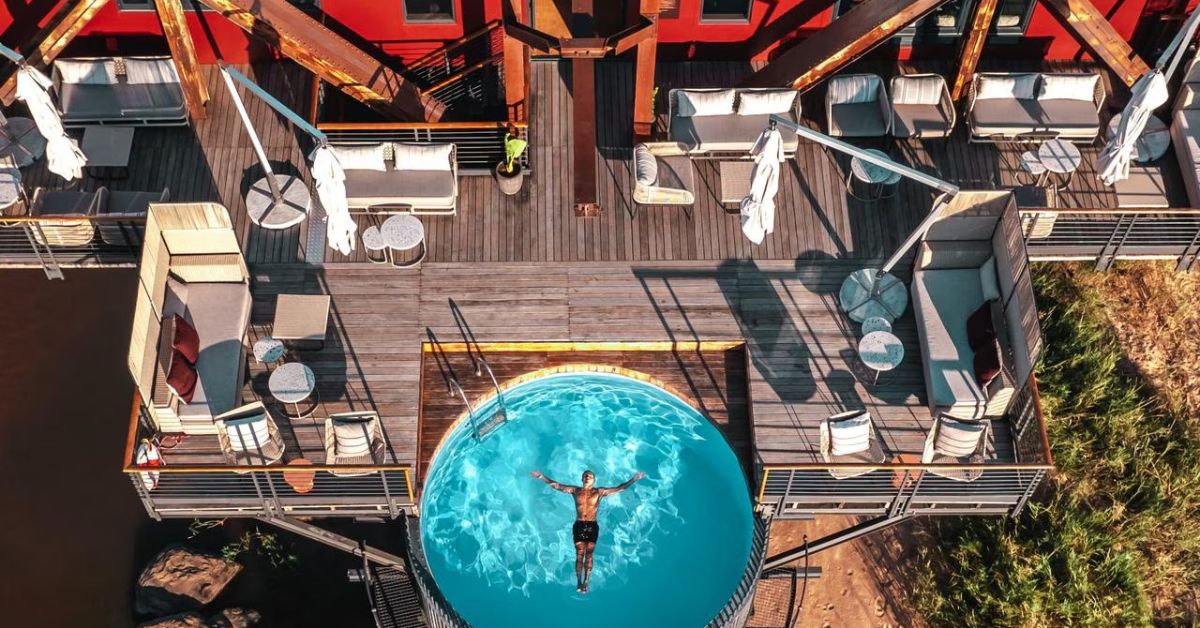
KRUGER SHALATI - The Train on the Bridge
Situated as a gateway to Kruger National Park, this one-of-a-kind hotel is permanently stationed on the Selati Bridge, high above the Sabie River. Re-envisioned within a restored train, it pays homage to the 1920s rail safaris, and the historic bridge is where the park’s first visitors stayed in carriages.
KRUGER SHALATI Features
The hotel has 31 rooms designed to give guests an elevated view of the river:
- Carriage Suites and Bridge House Suites: 24 Carriage Suites sit in glass-walled train carriages on the bridge, and 7 Bridge House Suites sit in a garden beside it. The Bridge House has five double or twin rooms, a Sunset Suite and a Family Suite that sleeps four. Children under 12 can’t stay in the train and use the Bridge House.
- River views: The carriages look along the Sabie River and were designed with local artists and craftspeople for a contemporary African look.
- Pool and deck: A pool and viewing deck sit at train-floor level high above the riverbank, with wildlife visible below. The lodge has three pools in all, and two are beside the bridge.
- Dining: The Bridge House restaurant serves African-inspired dishes and seats 66, and the arrival lounge, reception and dining areas overlook the river.
- Inclusive rates: Rates include all meals, tea and coffee, soft drinks, house wines, local spirits and beers, two open-vehicle game drives a day and return transfers from Skukuza Airport. Spa treatments are outsourced and charged separately.
Common Animals Found Around KRUGER SHALATI
The Sabie River flows all year, so animals and birds come down to drink beneath the bridge:
- River wildlife: Hippos and crocodiles live along this stretch of the Sabie River and can be watched from the deck.
- Elephants and buffalo: Both move through the Skukuza area and visit the river to drink.
- Lions: Prides are regularly seen on the roads around Skukuza.
- Birdlife: The riverine habitat is good for water-loving birds, including fish eagles and kingfishers.
KRUGER SHALATI Accommodation Prices (2026/2027 Guidelines)
| Suite Type | 1 July – 31 Oct 2026 | 1 Nov – 15 Dec 2026 |
|---|---|---|
| Carriage Suite (on the bridge) | R12,130 (about $735) | R10,990 (about $666) |
| Bridge House Double or Twin | R8,260 (about $501) | R7,480 (about $453) |
| Sunset Suite | R9,560 (about $579) | R8,630 (about $523) |
| Family Suite (sleeps 4) | R8,260 (about $501) | R7,480 (about $453) |
| Rand per adult per night sharing, SADC resident rack rates including 15% VAT. International rack rates for 1 November to 15 December 2026 are higher: Carriage Suite R14,900 (about $903), Bridge House Double or Twin R9,150 (about $555) and Sunset Suite R10,530 (about $638). Rates include all meals, tea and coffee, soft drinks, house wines, local spirits and beers, two open-vehicle game drives daily and return Skukuza Airport transfers. Kruger Park entrance fees, the 1% community levy, premium drinks, spa treatments and gratuities are extra. Single occupancy carries a 25% supplement. Rates change by season, so confirm with Kruger Shalati. US dollar amounts are approximate, converted at R16.50 to US$1 (October 2026), and will vary with the exchange rate. | ||
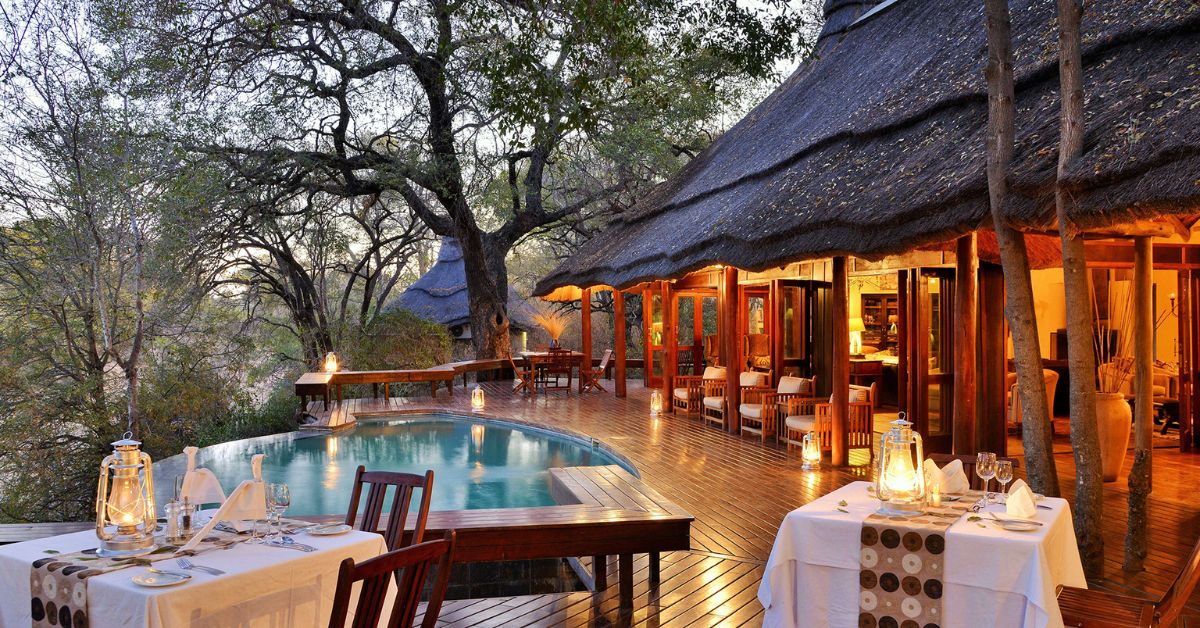
Imbali Safari Lodge
Set on the banks of the N’waswitsontso River in the private Mluwati concession in central Kruger, this elegant lodge offers 12 suites with private plunge pools and en-suite bathrooms. Activities include off-road game drives with expert guides and fine dining. Wildlife includes lion, elephant, buffalo and leopard.
Imbali is one of three lodges that share the private Mluwati concession, alongside Hamiltons Tented Camp and Hoyo Hoyo Safari Lodge.
Imbali Safari Lodge Features
The lodge is designed as a secluded, high-end bush sanctuary:
- Twelve private suites: Each suite is spacious and decorated in neutral tones with African touches, with a king or twin bed.
- Private plunge pools: Each suite has its own deck with a plunge pool, a sala and loungers overlooking the N’waswitsontso River.
- Bathrooms: A separate Victorian-style bath sits beside windows over the riverine bush, and each bathroom also has a walk-in shower.
- Concession benefits: Only the lodge’s own vehicles drive the concession, which has its own road network, and guides may go off-road to get closer to wildlife than is possible on public roads. Only three lodges share the concession.
- Safaris: Two game drives a day are included in the rates, and guided bush walks can be requested in advance for an extra charge.
- Dining and wellness: Chef-prepared meals, a shared swimming pool, in-room spa treatments and free Wi-Fi.
- Children: Children aged 8 and over are welcome.
Common Animals Found Around Imbali Safari Lodge
The Mluwati concession is known for productive game viewing in the heart of the Big Five country:
- Lions and leopards: Both are among the Big Five the lodge advertises in this area.
- Elephants and buffalo: Also part of the Big Five, regularly seen in central Kruger.
- Waterhole: A well-placed waterhole near the lodge attracts a wide variety of animals.
- Plains game and birds: The riverine and open areas of the concession host plains game and birdlife, and your guides will point out the highlights on each drive.
Imbali Accommodation Prices (2026/2027 Guidelines)
| Rate Type | 1 Aug – 31 Dec 2026 | 1 Jan – 31 Dec 2027 |
|---|---|---|
| Fully inclusive, per person sharing | From R13,210 (about $801) | From R14,531 (about $881) |
| Rand per person sharing, per night. Rates include accommodation, all meals, selected drinks and two game drives daily. Premium drinks and Kruger Park gate fees are extra. Single supplements and child rates are on request, and children aged 8 and over are welcome. Imbali runs special offers and rates vary by season, so confirm with the lodge. US dollar amounts are approximate, converted at R16.50 to US$1 (October 2026), and will vary with the exchange rate. | ||
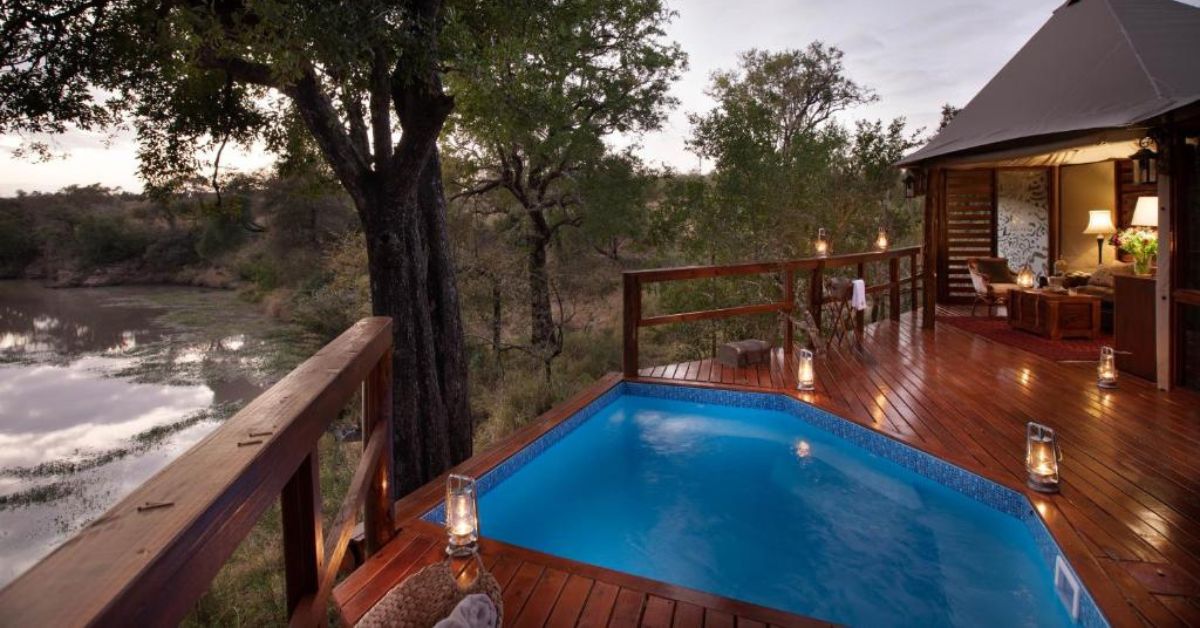
Hamiltons Tented Camp
An old-world camp of six luxury tented suites on raised teak decks, set on the banks of the N’waswitsontso River in the private Mluwati concession. Each suite has its own plunge pool and a sala lounge, and butler service is included. The camp is named after Colonel Stevenson Hamilton, Kruger’s first warden, and is known for its romantic setting.
Hamiltons is the first of the three lodges in the private Mluwati concession, alongside Imbali Safari Lodge and Hoyo Hoyo Safari Lodge.
Hamiltons Tented Camp Features
The camp offers a private, romantic experience with a focus on heritage:
- Six tented suites: Elevated luxury tents on raised teak decks, with picture windows and decks overlooking the riverine forest.
- Plunge pool and sala: Each suite has a private plunge pool on its extended teak deck and a sala lounge with leather couches, a minibar and tea and coffee facilities. Suites have air conditioning.
- Old-world style: The interiors follow an early-1900s Out of Africa look, with modern comforts. The camp was restored and refashioned in 2022.
- Butler service and private dining: A butler looks after guests, and a private dining deck with a firepit sits on the edge of the river. Wellness treatments can be arranged in your suite or at the pool.
- Concession safaris: Two game drives a day are included, and guests can join a guided 1.5-hour walk in the private concession, which focuses on smaller wildlife, tracking and plants.
- Getting there: The camp is 35 km from Orpen Gate and 61 km from Skukuza, with transfers from Skukuza or Hoedspruit airports included, subject to availability.
- Children: Children aged 12 and over are welcome and are charged as adults.
Common Animals Found Around Hamiltons Tented Camp
The Mluwati concession is Big Five territory, and the riverine forest and open country around the camp support a good variety of wildlife:
- Lions and leopards: Both are among the Big Five the concession is known for.
- Elephants and buffalo: Also part of the Big Five, found across this part of central Kruger.
- River life: The N’waswitsontso River and its pools draw game and birds, and the camp’s decks look straight onto it.
- Smaller wildlife: The guided walk focuses on tracking, plants and the smaller creatures that game drives miss.
Hamiltons Accommodation Prices (2026/2027 Guidelines)
| Rate Type | 1 Aug – 31 Dec 2026 | 1 Jan – 31 Dec 2027 |
|---|---|---|
| Fully inclusive, per person sharing | From R18,125 (about $1,098) | From R19,936 (about $1,208) |
| Rand per person sharing, per night. Rates include accommodation, all meals, selected drinks and two game drives daily. Premium drinks and Kruger Park gate fees are extra. Single supplements are on request, and children aged 12 and over pay adult rates. Rates vary by season and special offers apply, so confirm with the camp. US dollar amounts are approximate, converted at R16.50 to US$1 (October 2026), and will vary with the exchange rate. | ||
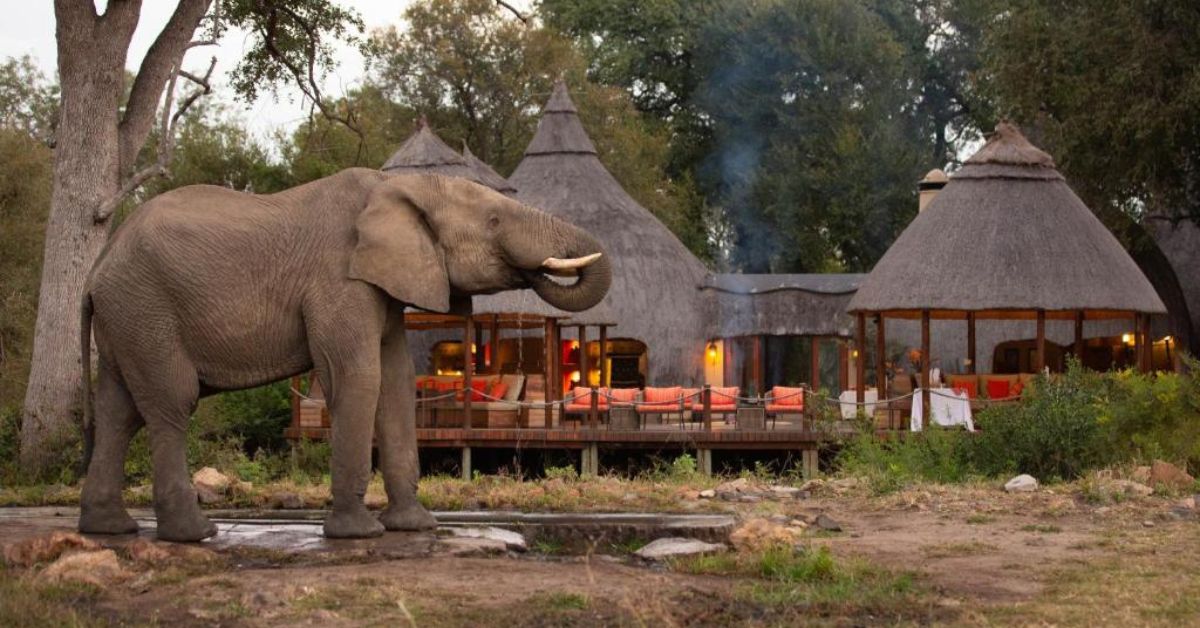
Hoyo Hoyo Safari Lodge
Celebrating Tsonga heritage, Hoyo Hoyo offers vibrantly decorated, thatched circular suites on the banks of the Mluwati River in the private Mluwati concession. Guests enjoy Pan-African dinners with storytelling and traditional dance, and game drives in open 4×4 vehicles, in a culturally rich environment.
Hoyo Hoyo is one of three lodges that share the private Mluwati concession, alongside Imbali Safari Lodge and Hamiltons Tented Camp.
Hoyo Hoyo Safari Lodge Features
Hoyo Hoyo offers an immersive blend of Tsonga culture and wilderness:
- Tsonga-style suites: Circular, thatched, air-conditioned suites sit beneath giant fig and leadwood trees. They have stone baths, outdoor showers and décor featuring art and fabrics made by the local community.
- Private decks: Each suite has a deck overlooking the river and the wildlife-rich plains, so you can watch wildlife from your room.
- On an old elephant route: The lodge sits on a historic elephant route, and elephants visit the waterhole beside it.
- Pool and spa: The swimming pool and viewing deck look onto the waterhole, and the Nomadic Spa offers in-room treatments.
- Dining and storytelling: Dinner is served under the African sky, with Pan-African dishes, traditional dance and storytelling. You can also dine in the lodge dining area, in your suite or on a bush picnic.
- Safaris: Morning and evening game drives in open 4×4 vehicles with professional rangers, and walking safaris for guests aged 12 and over.
- Unplugged: There is no Wi-Fi or mobile phone reception, which is part of the authentic bush experience.
Common Animals Found Around Hoyo Hoyo Safari Lodge
The Mluwati concession is Big Five country, and the lodge protects 147 mammal species:
- Elephants: Regular visitors to the waterhole by the lodge.
- Lions and leopards: Both are among the Big Five found in the concession, and night drives give extra chances.
- Waterhole visitors: Thirsty animals come to the waterhole, which the pool, the hide and your deck all overlook.
- Birds: The hide beside the waterhole is a good spot for birdwatching.
Hoyo Hoyo Accommodation Prices (2026/2027 Guidelines)
| Rate Type | 1 Aug – 31 Dec 2026 | 1 Jan – 31 Dec 2027 |
|---|---|---|
| Fully inclusive, per person sharing | From R10,500 (about $636) | From R11,546 (about $700) |
| Rand per person sharing, per night. Rates include accommodation, all meals, selected drinks and two game drives daily. Premium drinks and Kruger Park gate fees are extra. Single supplements and child rates are on request, and standard bookings are for guests aged 12 and over. Rates vary by season and special offers apply, so confirm with the lodge. US dollar amounts are approximate, converted at R16.50 to US$1 (October 2026), and will vary with the exchange rate. | ||
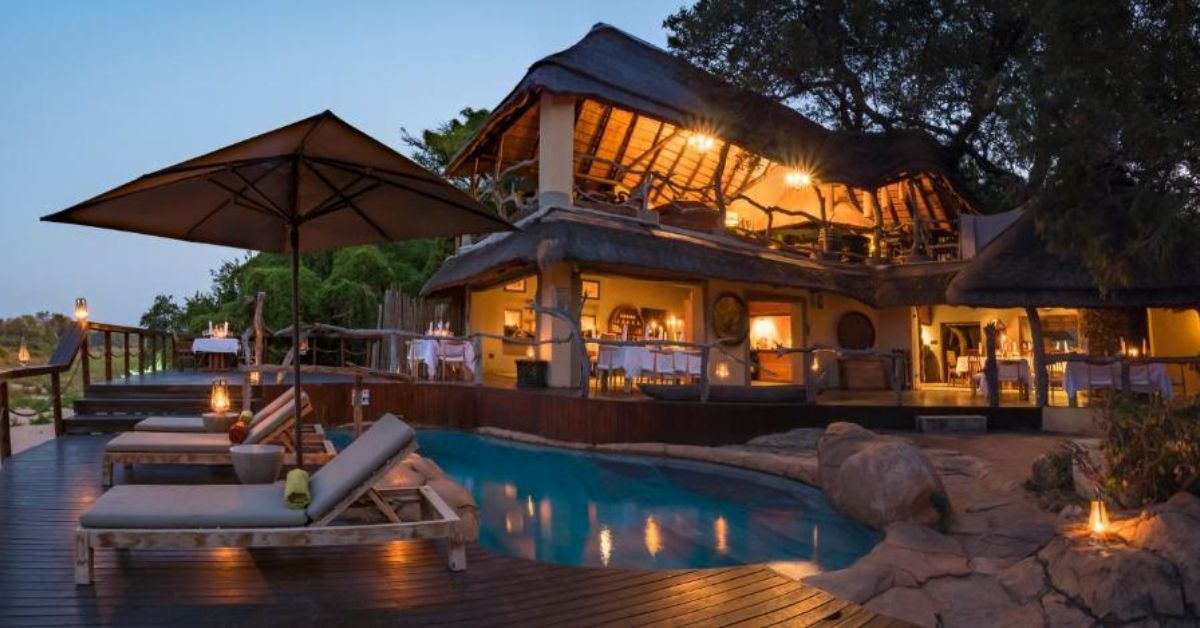
Jock Safari Lodge
Jock Safari Lodge sits where the Mitomeni and Biyamiti rivers meet, in the southern part of Kruger National Park. The lodge has luxury thatched suites with private decks and plunge pools, set on a 6,000-hectare private concession. It is one of the best-known private lodges in the park, and leopard sightings are a highlight.
Jock Safari Lodge Features
- Thatched Suites: Main Jock Lodge has 12 suites, each with a private deck, a plunge pool, a sala (outdoor daybed) and an outdoor shower.
- Exclusive Traversing: The lodge has exclusive traversing rights over its 6,000-hectare private concession.
- Retreat Spa: A sauna, steam room, exercise room and hydrotherapy bath, with a large deck and pool overlooking the river.
- Fitzpatrick’s at Jock: A separate private villa with three suites for up to six guests. It has its own staff, ranger and vehicle, and it is the lodge’s option for families with young children.
- Stargazing and Bird Watching: Evening stargazing and bird watching are on offer.
- Bushmen Paintings: Guided walks visit ancient San (Bushmen) rock paintings.
Common Animals Found Around Jock Safari Lodge
- Big Five: The concession is known for Big Five viewing on twice-daily guided drives.
- Leopards: Leopards are a regular highlight.
- Elephants: Elephants often pass close to the suites.
- Birdlife: Kruger has over 500 bird species, and bird watching is part of the experience.
Jock Accommodation Prices (2026/2027 Guidelines)
| Accommodation | 8 Sep – 31 Dec 2026 | 1 Jan – 31 Dec 2027 |
|---|---|---|
| Main Jock Lodge suite (per person sharing) | From R18,480 (about $1,120) | From R19,865 (about $1,204) |
| Fitzpatrick's at Jock (private villa, up to 6 guests) | From R61,230 per villa (about $3,711) | Confirm at booking |
| Rand per night. Main Jock Lodge rates are per person sharing and fully inclusive (all meals, select drinks, two daily game drives and guided walks). Fitzpatrick's is priced per villa for up to six guests, and Jock does not publish its rate period. A single supplement may apply. Park conservation fees may be charged separately. Main Jock Lodge closes 29 May – 30 Sep 2027. USD approximate at R16.50 to US$1 in October 2026. Rates are a guideline only, so confirm at booking. | ||
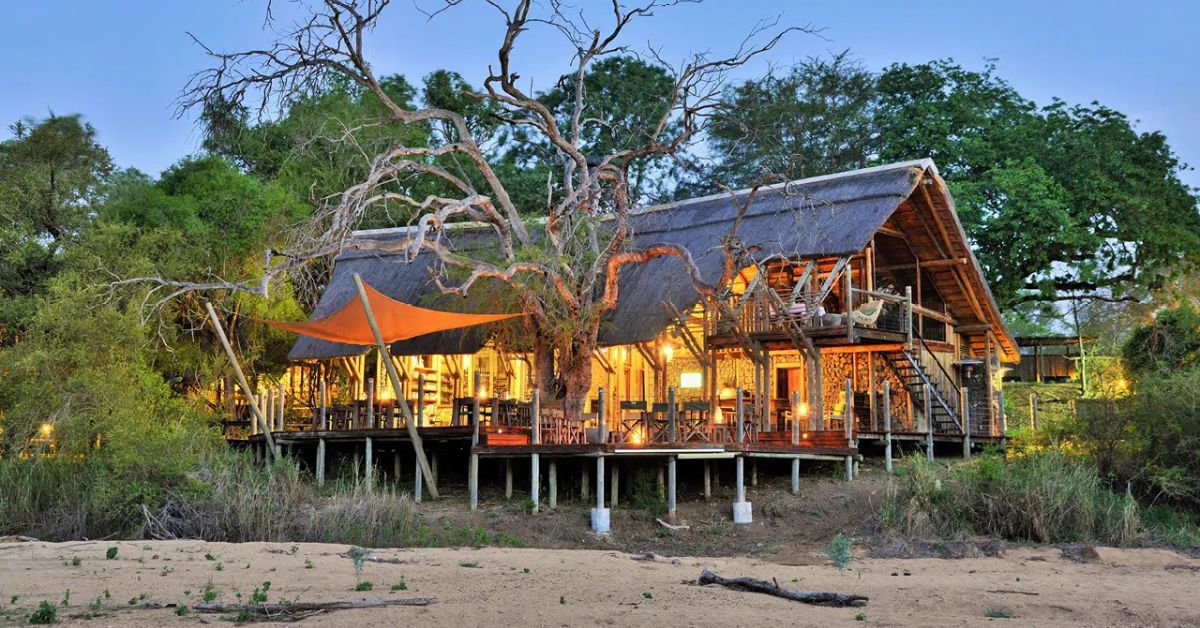
Rhino Post Safari Lodge
Rhino Post Safari Lodge sits on the Mutlumuvi riverbed in a 12,000-hectare private concession in southern Kruger, sharing an unfenced boundary with Mala Mala and the Sabi Sand. Eight stilted suites overlook the dry river, with game drives and a peaceful bush setting.
Rhino Post Lodge Features
- Stilted Suites: Eight bush suites are raised on stilts and built from timber, canvas, thatch, stone and glass. They overlook the Mutlumuvi riverbed.
- Bathrooms: Each suite has a deep freestanding bath and an outdoor shower.
- Private Decks: Each suite has a private viewing deck facing the riverbed.
- Guided Game Drives: Twice-daily guided drives are included, using the Kruger road network and the Mutlumuvi riverbed. The lodge also has exclusive use of some public roads at night.
- Sleep-Out Experience: For an extra cost, guests can spend a night on raised platforms overlooking a waterhole, with dinner cooked over an open fire. Booking in advance is required.
- Pool and Massages: There is a swimming pool, and in-room massages are available if booked in advance.
- Families: Children of any age are welcome. Children under six can only join game drives if a private vehicle is booked.
Common Animals Found Around Rhino Post Lodge
- Big Five: The Big Five are regularly seen in this part of southern Kruger.
- Leopards: Leopards are a highlight along the Mutlumuvi riverbed.
- Elephants: Elephants pass through the area.
- Birds: Yellow-billed hornbills are common.
- Shared Border: The concession shares an unfenced boundary with Mala Mala and the Sabi Sand, so animals move freely between the three.
Rhino Post Accommodation Prices (2026/2027 Guidelines)
| Accommodation | 1 Jul 2026 – 30 Jun 2027 | After 30 Jun 2027 |
|---|---|---|
| Bush suite (per person sharing) | From R9,830 (about $596) | Confirm at booking |
| Rand per person sharing, per night, on a full-board basis (brunch, high tea, dinner, tea and coffee, and two game drives daily). Park conservation fees may be charged separately, and a single supplement may apply. Sleep-outs, massages and child-minding are extra. USD approximate at R16.50 to US$1 in October 2026. Rates are a guideline only, so confirm at booking. | ||
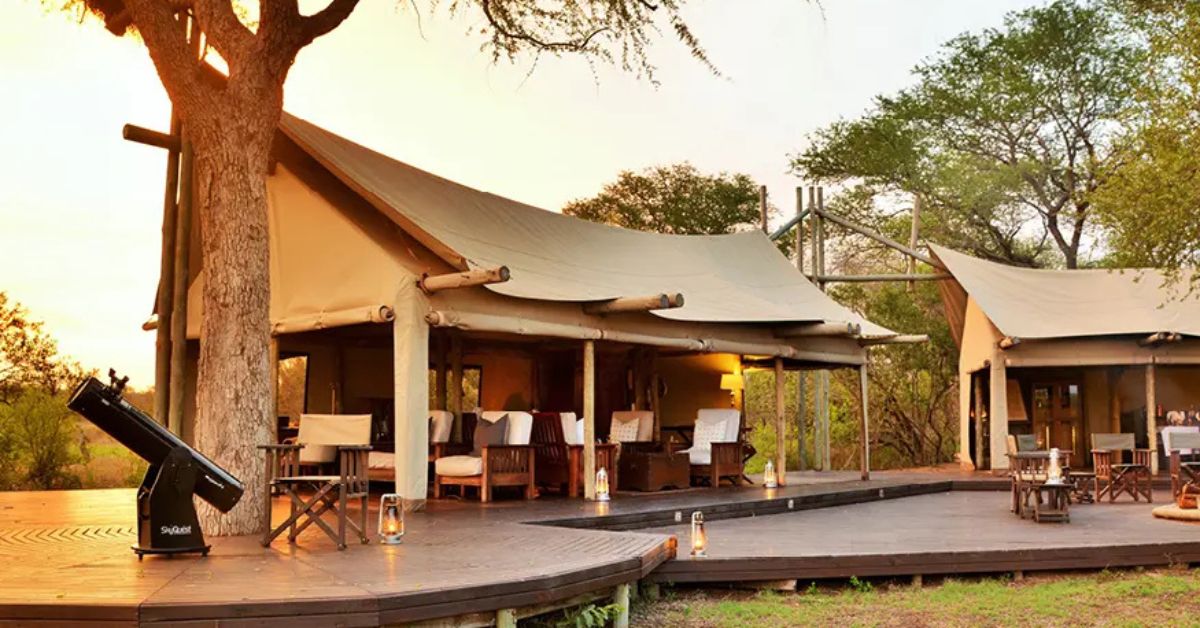
Plains Camp (Walking Safaris)
Plains Camp is the walking-safari sister camp to Rhino Post Safari Lodge, set in the same 12,000-hectare private concession in southern Kruger. It focuses on multi-day guided walks led by qualified trail guides, and guests stay in four traditional canvas tents. Plains Camp is for guests aged 12 and older, and it is usually booked as a trail package together with Rhino Post.
Plains Camp Features
- Pioneer-Style Tents: The camp has only four twin tents built from canvas and wood in an explorer style. Each has an en-suite bathroom with an indoor shower and hot running water.
- Focus on Walking: The main activity is the guided bush walk, which lasts up to four hours and is led by qualified, armed trail guides. Guests must be 12 or older.
- Communal Dining: Meals, including brunch, high tea and an open-fire dinner, are served in a communal dining area. The camp also has a small collection of Africana books to read.
- Plunge Pool: A plunge pool overlooks the plain beside the camp.
- Sleep-Out Experience: Guests can choose to spend a night on elevated wooden platforms under the stars, with a qualified guide.
- Shared Wilderness: The concession shares an unfenced boundary of about 15 km with Mala Mala and the Sabi Sand, so wildlife moves freely between them.
Common Animals Found Around Plains Camp
- Lions: Lions are among the Big Five seen in the concession.
- Elephants: Elephants are regularly encountered on foot and on drives.
- Leopards: Leopards are present, and walks often turn up their tracks.
- Buffalo: Buffalo are seen in the concession.
- Rhino: Rhino have been seen by guests.
- Plains Game: Zebra, giraffe and many antelope species are common.
Plains Camp Accommodation Prices (2026/2027 Guidelines)
| Package | 1 Jul – 31 Dec 2026 | 2027 |
|---|---|---|
| Plains Camp tent (per person sharing) | From R9,830 (about $596) | Confirm at booking |
| 3-night Trail Package (1 night Rhino Post, 2 nights Plains Camp) | Confirm at booking | Confirm at booking |
| 4-night Trail Package (2 nights Rhino Post, 2 nights Plains Camp) | From R37,740 (about $2,287) | Confirm at booking |
| Rand per person sharing. The Plains Camp tent rate is per night. Trail Package prices are for the whole stay and include all meals, a sundowner each evening, two activities a day (game drives at Rhino Post, guided walks at Plains Camp) and transfers between the two camps. A 30% single supplement applies, guests must be 12 or older, and Kruger conservation fees may be charged separately. Trail Packages are available until 31 Dec 2027. USD approximate at R16.50 to US$1 in October 2026. Rates are a guideline only, so confirm at booking. | ||
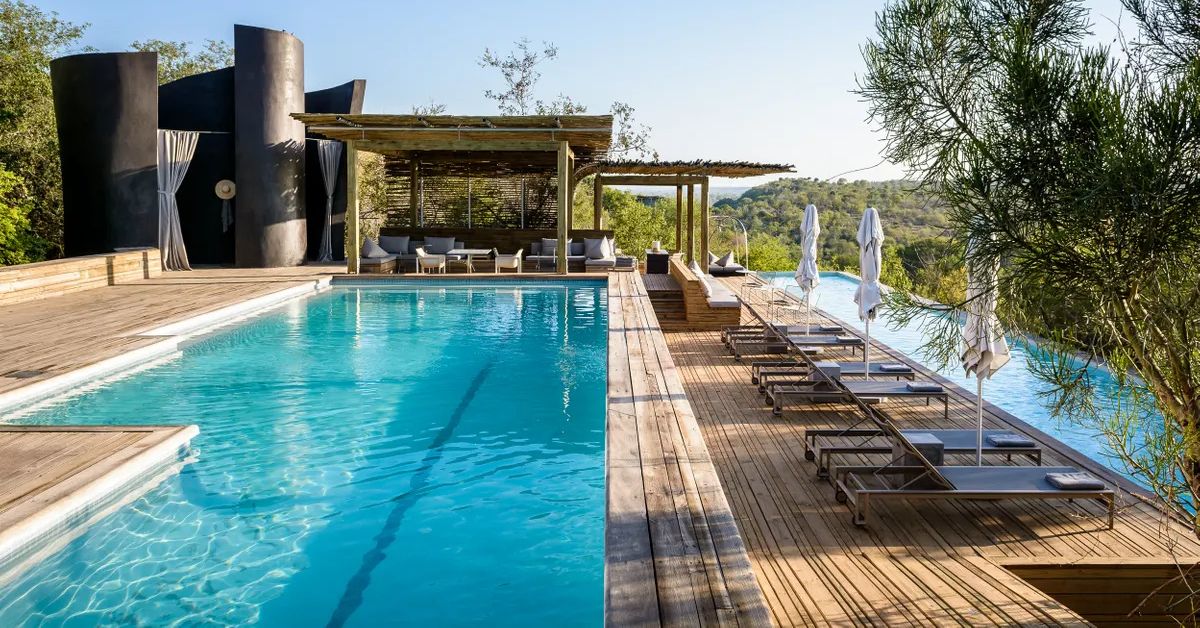
Singita Lebombo
Singita Lebombo Lodge sits on a cliff in the remote eastern part of Kruger, on a 33,000-acre private concession along the Mozambique border. Its 15 glass-walled suites float above the N’wanetsi River, inspired by the nests eagles build in the cliffs, with all meals, drinks and game viewing included. It is an ultra-luxury lodge with low vehicle numbers and a strong reputation for lions.
Singita Lebombo Villa Features
- Cutting-Edge Design: The 15 suites are built from floor-to-ceiling glass, steel and natural wood. Each has a private deck and a plunge pool, and guests can choose to sleep under the stars on the deck, protected only by mosquito netting.
- Lebombo Villa: Two two-bedroom suites link to form a private four-bedroom villa for up to eight guests. It has its own pools, a private boma and an open-plan kitchen, and it sits on the banks of the N’wanetsi River.
- Lounges and Wine Cellar: The main lodge has a Long Bar, a Winter Lounge with an open fire, a sundowner deck, a wine cellar with tastings and a gallery.
- Dining: All meals, premium wines and spirits are included in the rate.
- Wellness: There is a swimming pool, a fitness centre and a spa. Yoga and stargazing are on offer, and spa treatments are charged extra.
- Families: Children aged 10 and over may stay in any suite. Younger children stay in the two-bedroom suites or the villa, and a Mini Rangers course is available.
Common Animals Found Around Singita Lebombo Villa
- Hippos: Hippos live in the river system below the lodge.
- Buffalo: Buffalo herds are frequently seen and are a regular target for the area’s lions.
- Leopards: Leopards are among the Big Five seen in the concession.
- Elephants: Elephants are regularly seen.
- Lions: The Shishangaan Pride was once a mega-pride of more than 30 lions and has since split into smaller groups, and several other prides live in the concession.
- Rhino and Cheetah: Rhino and cheetah are also listed by some sources.
Singita Lebombo Accommodation Prices (2026/2027 Guidelines)
| Season | Dates | Per Person Sharing |
|---|---|---|
| Peak / Migration | 1 Sep – 31 Oct 2026 | From R56,310 (about $3,413) |
| Shoulder | 1 Nov – 14 Dec 2026 | From R51,660 (about $3,131) |
| Festive | 15 Dec 2026 – 5 Jan 2027 | From R60,470 (about $3,665) |
| Low Season | 6 Jan – 30 Apr 2027 | From R54,250 (about $3,288) |
| Green Season | 1 – 31 May 2027 | From R59,130 (about $3,584) |
| Peak / Migration | 1 Sep – 31 Oct 2027 | From R59,120 (about $3,583) |
| Lebombo Villa (4 bedrooms, up to 8 guests) | All year | Confirm at booking |
| Rand per person sharing, per night. Rates include all meals, premium drinks, two daily game drives, guided bush walks, laundry, the road transfer from Satara airstrip and the conservation and community levies. Flights to Satara airstrip are not included, and spa treatments are extra. A single supplement may apply. USD approximate at R16.50 to US$1 in October 2026. Rates are a guideline only, so confirm at booking. | ||
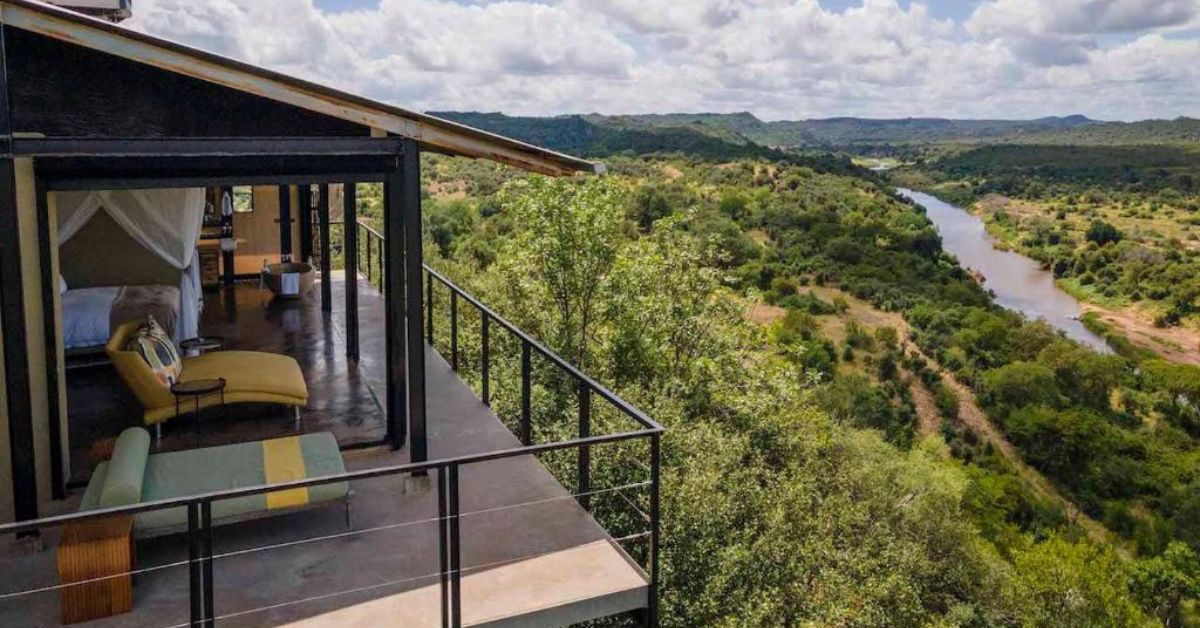
The Outpost Lodge
The Outpost Lodge sits on a ridge above the Luvuvhu River in the Makuleke Concession, at Pafuri in far northern Kruger. Its twelve open-plan suites have electric screens that open to 180° views of the valley, and the area is remote, quiet and known for its birdlife. It is a good choice for guests who want serenity and exclusivity.
The Outpost Lodge Features
- Contemporary Design: Steel, canvas and Zimbabwean teak create clean lines that blend into the landscape. A teak walkway links the suites to the main lodge.
- Open-Air Suites: Twelve suites have electric screens in place of solid walls, a stone bath, an open shower and a terrace with a daybed. A private Honeymoon Suite sits higher above camp with 270° views.
- Lodge Facilities: A lap pool, viewing deck, wine cellar, lounge with fireplace and library. In-room massages are available.
- Guided Walks and History: Guided walks reach Lanner Gorge, which vehicles can’t enter. The history tour visits Crooks Corner and the Thulamela archaeological site.
- Makuleke Village: Guests can visit the local Makuleke Village.
- Diverse Terrain: The area has baobab trees, fever tree forests and mopane woodland.
- Families: Children over 10 are welcome at the lodge, and the lodge and pool are unfenced. Pel’s Post, the four-suite satellite lodge, welcomes all ages.
Common Animals Found Around The Outpost Lodge
- Elephants: Elephants are regularly seen along the Luvuvhu and Limpopo rivers.
- Leopards: Leopards are present in the riverine forest.
- Buffalo: Buffalo are common near the river.
- Lions: Resident lion prides live in the concession.
- Rhino: Rhino have been reintroduced to the area.
- Kudu and Birds: Kudu are common, and the Luvuvhu is a prime birding area.
The Outpost Accommodation Prices (2026/2027 Guidelines)
| Season | Dates | Per Person Sharing |
|---|---|---|
| Low Season (special offer) | 1 Jan – 19 Dec 2026 | From R8,220 (about $498), normally R10,970 |
| Festive | 20 – 31 Dec 2026 | From R10,970 (about $665) |
| 2027 | 1 Jan – 31 Dec 2027 | Confirm at booking |
| Rand per person sharing, per night. Rates include accommodation, all meals, drinks (excluding premium wines and spirits), laundry, twice-daily game drives with sundowners and optional bush walks. Park entrance fees and concession levies are extra, and a single supplement may apply. River View suites and the Honeymoon Suite cost more, so confirm their rates at booking. USD approximate at R16.50 to US$1 in October 2026. Rates are a guideline only, so confirm at booking. | ||
Final Thoughts
Choosing where to stay in Kruger National Park shapes your whole safari. Whether you prefer the independence of a SANParks rest camp, the quiet of a bush camp or the indulgence of a private lodge, Kruger’s best camps cater for every budget and travel style.
Let Nhongo Safaris help you choose the right camp or lodge, and explore our Kruger safari packages to experience the park in a way that fits your style and pace.
The Feedspot blog, “25 Best African Safari Blogs and Websites in 2025,” is a curated list highlighting top online resources for safari enthusiasts, offering expert insights, travel tips, and stunning photography. This guide is an invaluable tool for planning unforgettable African adventures.