African Elephant
Scientific name: Loxodonta africana
✓ Reviewed by Nhongo Safaris Field Guide - Gift · Updated 4 November 2026
African Elephant at a glance
- Height3–3.5 m at the shoulder (bulls)
- Weight4,000–6,000 kg (bulls), 2,500–3,500 kg (cows)
- Lifespan60–70 years in the wild
- DietGrass, leaves, bark, roots and fruit
- Daily intakeAbout 150 kg of food and up to 200 litres of water
- Social lifeFamily herds led by an older matriarch
- GestationAbout 22 months, a single calf
- Conservation statusEndangered (IUCN Red List)
Track and paw print
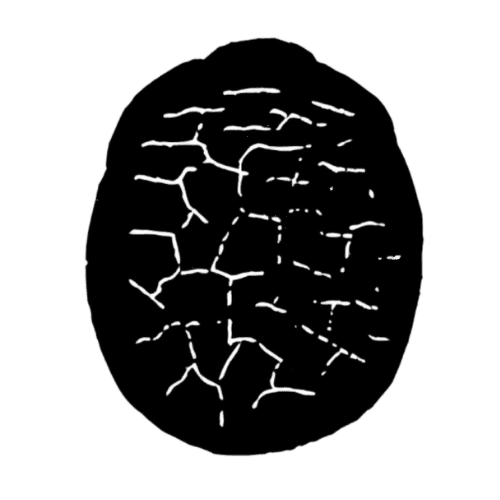
A front print is round and roughly 40–50 cm across, and a hind print is more oval. The sole has a fine pattern of cracks, so each elephant leaves its own track.
Lesser-known facts
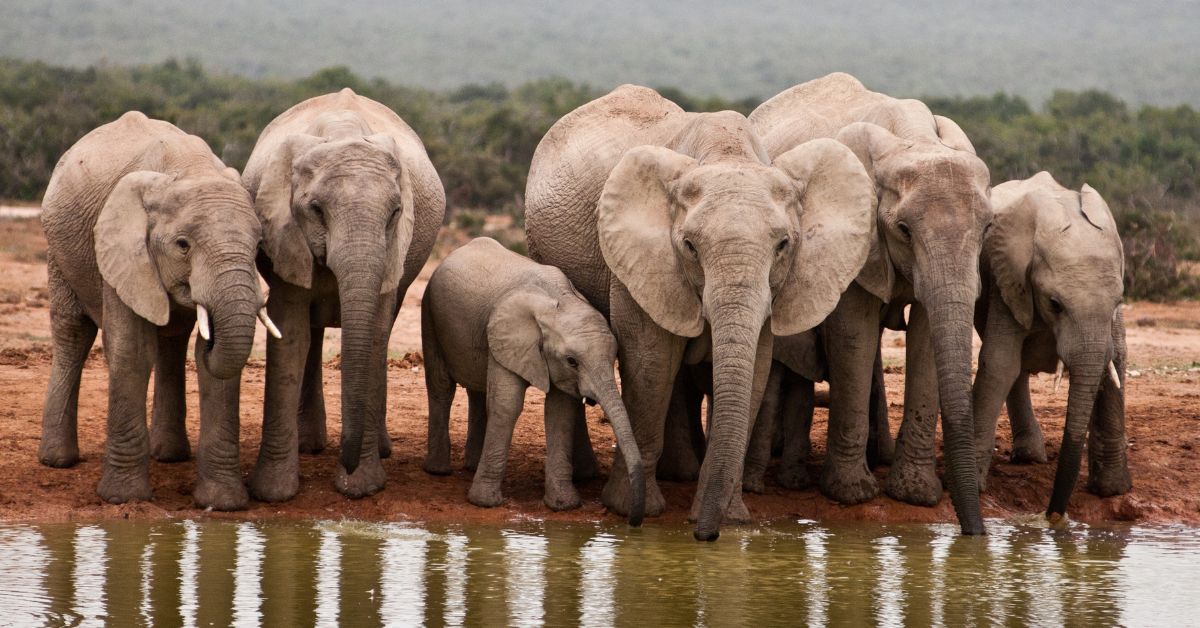
Elephant herds are led by an old matriarch who remembers where water can be found in a drought. The whole family follows her lead, and her memory has saved generations of calves.
Elephants talk to each other with very low rumbles that travel for kilometres. They also pick up vibrations through their feet, so a herd can sense others long before they come into sight.
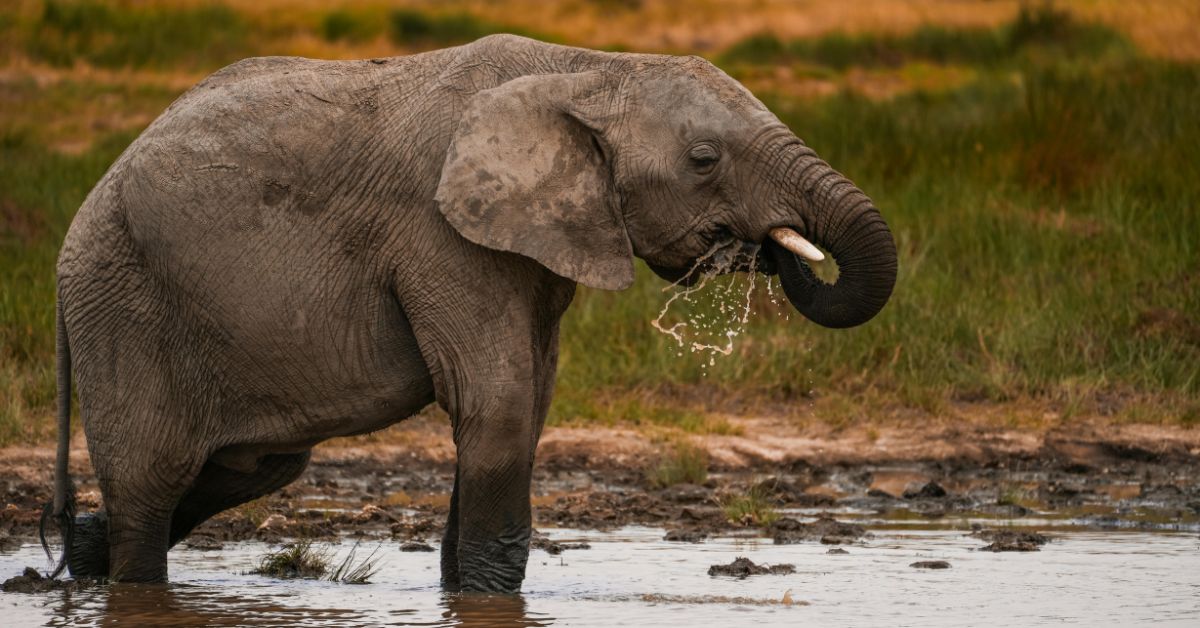
Those huge ears do more than hear. They are packed with blood vessels, and flapping them cools the blood on a hot Lowveld day.
Where to spot it in Kruger
Look for herds on the Letaba and Olifants rivers and at waterholes, especially in the dry winter months. Listen for snapping branches beside the road.
Look for snapped branches, uprooted trees and large dung piles. Elephants are surprisingly quiet walkers, so listen for cracking wood and the deep rumble of the herd.
Photo gallery

Questions and answers
Why is the African elephant one of the Big Five?
The Big Five is the name hunters gave to the five animals most dangerous to hunt on foot, and it has nothing to do with size. Elephants are huge, powerful and can charge, and so they earned their place on the list.
How can I tell an African elephant from an Asian elephant?
African elephants have much bigger ears, shaped a little like the continent of Africa, and a dipped back. Both bulls and cows usually have tusks. Asian elephants have smaller ears, a rounded back, and tusks mostly on the bulls.
How long are elephants pregnant?
About 22 months, the longest pregnancy of any land animal. The mother gives birth to a single calf, which the whole family helps to raise.
Where is the best place to see elephants in Kruger?
Look for herds on the Letaba and Olifants rivers and at waterholes, especially in the dry winter months. Listen for snapping branches beside the road.
Are elephants dangerous?
Yes. Elephants are gentle most of the time, but they can charge if they feel threatened, especially a mother with a calf. The most dangerous of all is a bull in musth, a period when his hormones surge and he becomes very aggressive and unpredictable. Warning signs are a raised head, flared ears and trumpeting. Keep your distance and follow your guide's instructions.
Best time to see the African Elephant
- Jan
- Feb
- Mar
- Apr
- May
- Jun
- Jul
- Aug
- Sep
- Oct
- Nov
- Dec
Best months: May–Sep
In the dry winter months elephants come down to the rivers and waterholes in big family herds, often every day. Mornings and late afternoons are the best times to watch them drink and bathe.
Watch the African Elephant
About the African Elephant
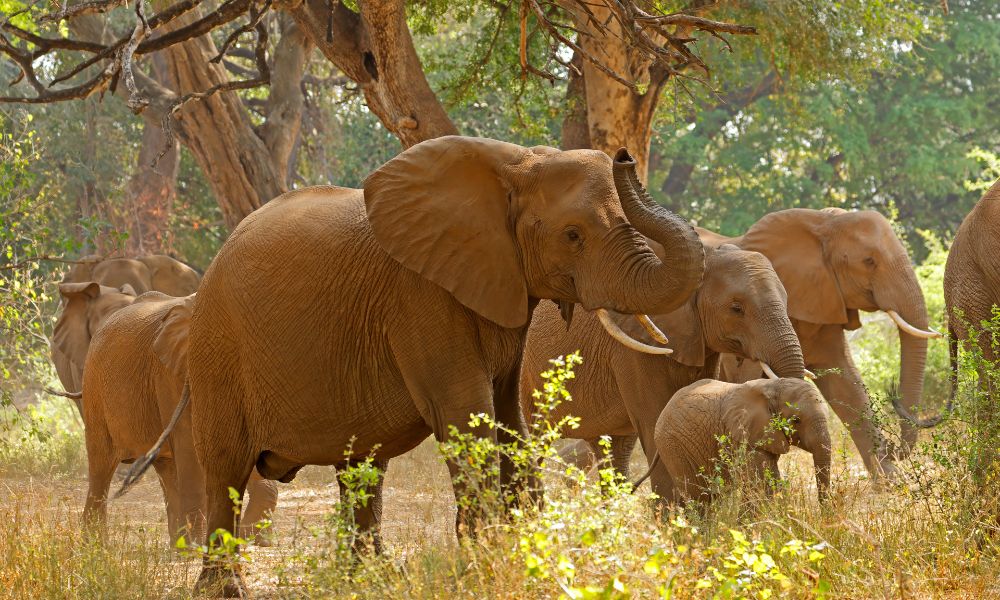
The African elephant is the largest land animal on Earth and one of the Big Five, the name hunters gave to the five animals most dangerous to hunt on foot. A bull can stand more than 3 m at the shoulder and weigh up to 6,000 kg, and its tusks, trunk and huge ears make it unmistakable. In the Kruger National Park you can often watch whole family herds feeding, drinking and bathing.
Elephant herds are led by an old matriarch, who remembers where water can be found in a drought. The whole family follows her lead, and the calves are looked after by the mother, her sisters and her daughters. Elephants talk to each other with very low rumbles that travel for kilometres, and they sense vibrations through their feet. An adult can eat about 150 kg of food a day.
Elephants are most active in the cooler hours, and in the dry season they visit the rivers and waterholes daily. On a guided drive, your field guide reads the mood of the herd, such as the position of the ears and the head, and keeps a respectful distance, so you can watch one of the world’s most intelligent animals in complete safety.
Mature bulls go into musth for a few weeks each year, a time of high testosterone and aggression. A bull in musth often has fluid streaming down the side of his face from a gland between his eye and ear, and he may dribble urine. Guides treat him with extra care, because he can be unpredictable and may charge with little warning.
See the African Elephant for real
Join one of our guided Kruger safaris and let our field guides find it for you.
Explore Kruger safari packagesRead the full story →Meet the African Elephant in our 3D Wildlife World
Explore our interactive map of the Kruger National Park, with the animals and the safari jeep.