
Mammal behaviour is everything an animal does beyond standing still: hunting, resting, greeting, playing, calling and keeping a social order. On a 4-day Nhongo Safaris trip in Kruger National Park (30 September to 3 October 2026), our group of 15 guests from Australia saw a cheetah kill, wild dogs, three leopards, lions, a hyena den and more, between Pretoriuskop, Skukuza and Tshokwane.
A Cheetah Kill in Seconds
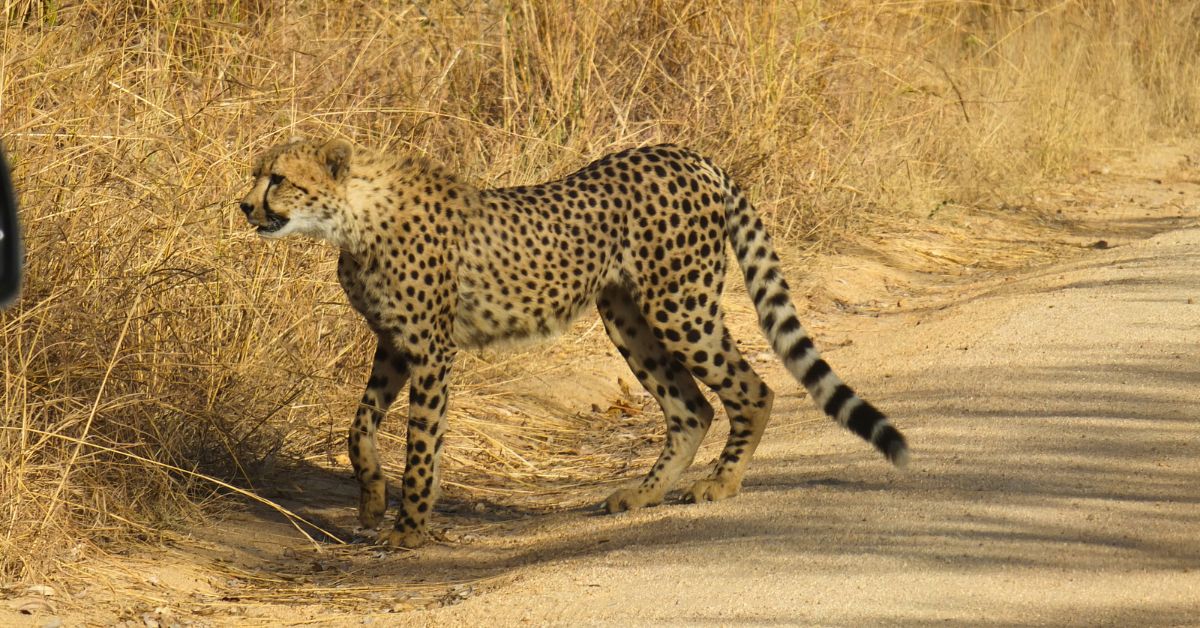
Between Tshokwane and Skukuza we found a female cheetah with two youngsters that were no longer cubs. As our open vehicle came to a stop, the female bolted and caught a duiker. It was over in seconds, but it was the moment of the trip.
A cheetah’s sprint is short and explosive, and its long tail acts like a rudder, helping it balance in sharp turns. Afterwards, listen for the high-pitched chirping cheetahs use to call each other. A mother uses it to bring her youngsters in to feed.
Lions Walking the Road Beside Us
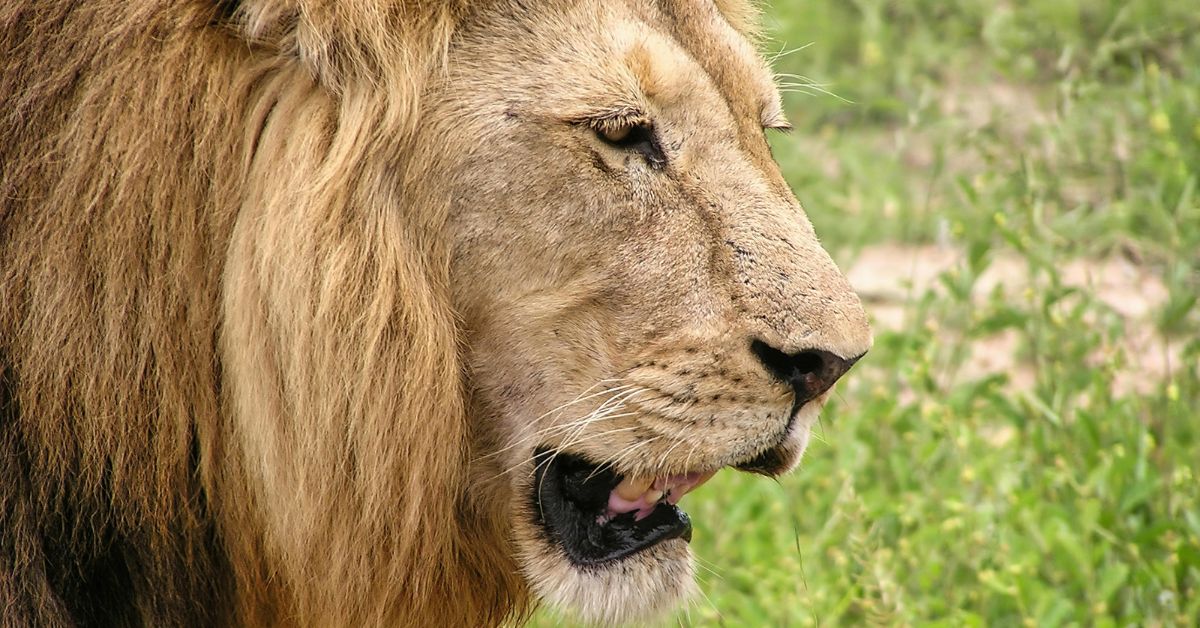
A lion pride near Skukuza walked in the road right beside the vehicle. Lions use roads because they are an easy way through thick bush. Watch the details as they pass: tail tufts twitching, heads turning toward sounds, and the head-rubbing and body-bumping that lions use to greet each other. You can read more in our post on lions in trees.
Wild Dogs on the Move, Then Resting
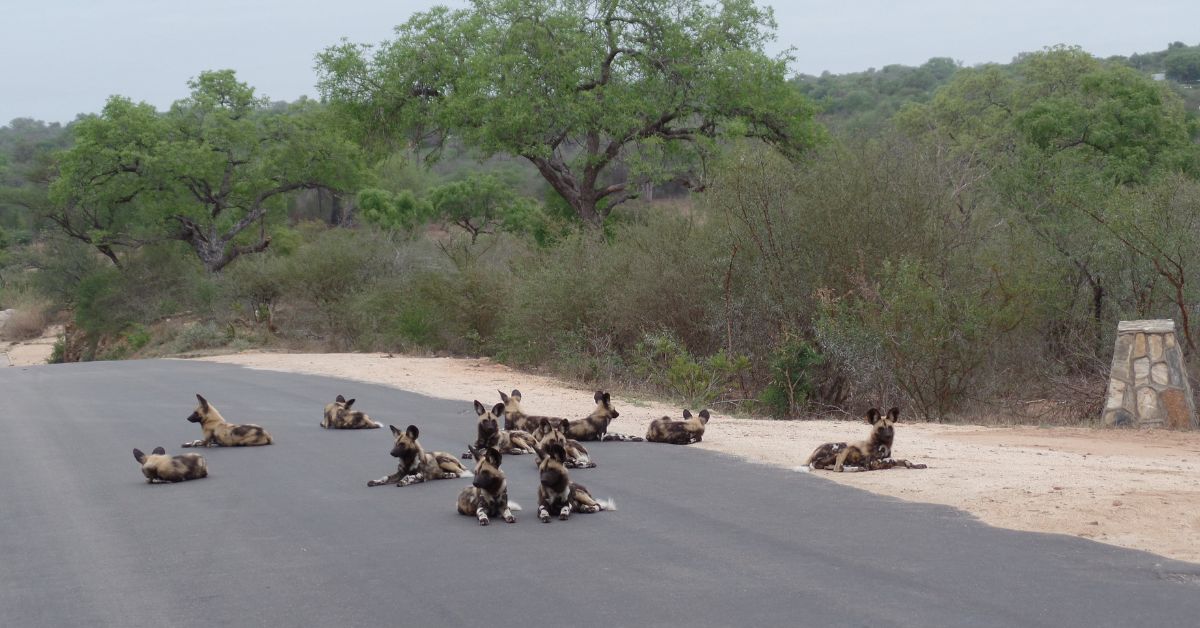
Near the S114 and Skukuza junction we found wild dogs walking in and alongside the road. After a while they stopped and lay down to rest.
A resting pack is rarely silent or still. Wild dogs have a huge vocal range, including twittering, whining, yelping and squealing, and a pack stays in touch with it. Watch for dogs getting up, stretching, greeting and settling back down, because the pack’s mood shifts constantly. Before a hunt, the pack gathers for a “rally”, and research in Botswana found that sneezing works like a vote: the more dogs sneeze, the more likely the pack is to head off. Each dog’s coat pattern is unique, and dogs can recognise each other from 50 to 100 metres away.
Three Leopards: Two Walking, One Asleep
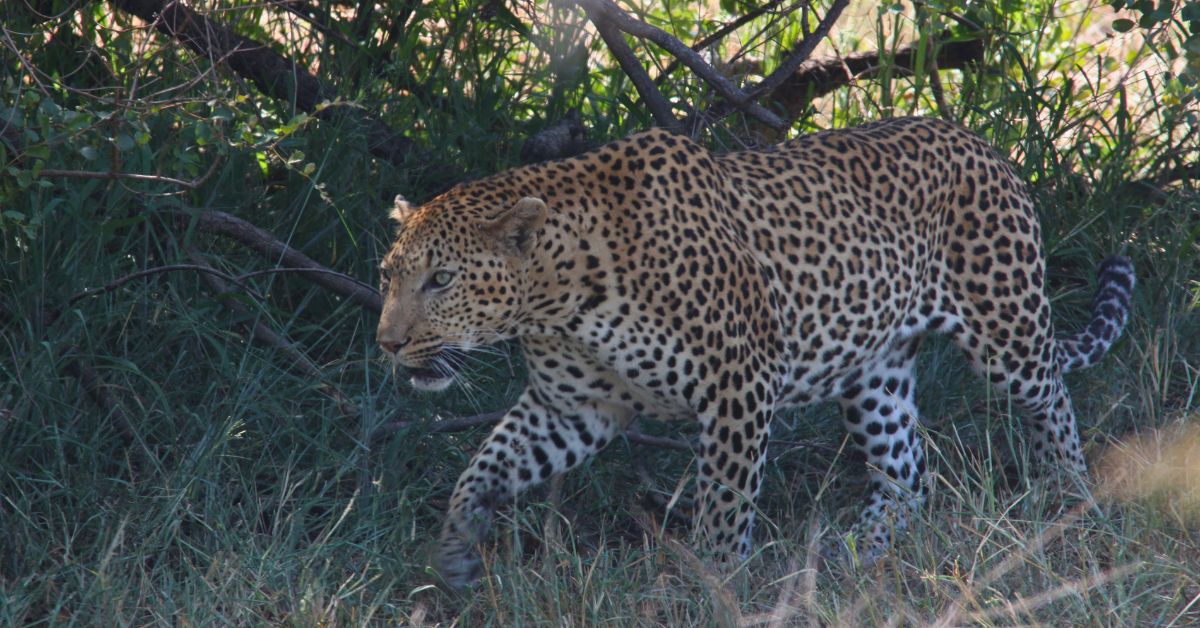
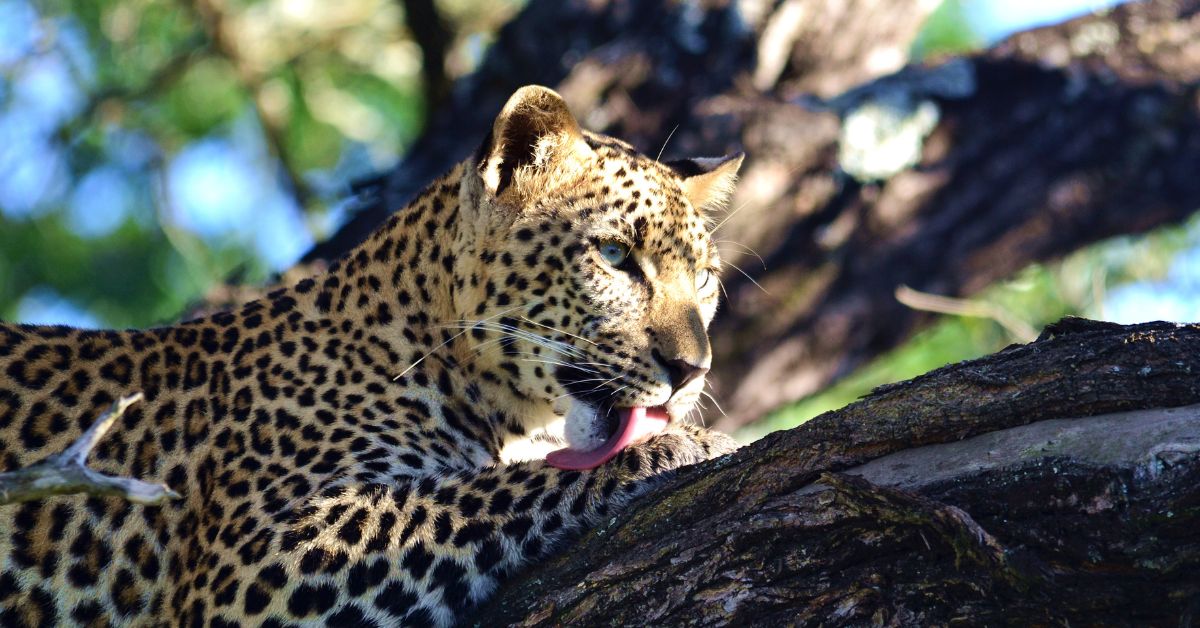
We had three leopard sightings. Two leopards were walking and one was asleep in a tree. Leopards are solitary and hunt mostly at night, so daytime is often rest. Trees give them shade, a lookout and safety from other predators. A leopard walking with purpose is usually moving through its territory, with its tail low or gently curved. Listen for the rasping, sawing call that leopards use to announce themselves.
Group living does not rule out monogamy. In African wild dogs, suricates, dwarf mongooses and porcupines, it is rare for more than one pair in a group to breed.
A Hyena Den with Pups
We found a hyena den where semi-adult hyenas watched the area while the pups moved around. This is one of the busiest, noisiest places in the bush. Pups whine when they want attention or food, and mothers answer with whoops, a rising series of “oo” calls that can carry for kilometres. Spotted hyenas also giggle and grunt, and the pitch tells the others how the caller feels: high-pitched calls signal fear or submission and low, loud ones signal aggression. Watch their tails, too. A hyena never wags its tail. It holds the tail forward over its back when excited and flicks it when approaching a more dominant hyena.
Clans are led by females, and even the lowest-ranking female outranks the highest-ranking male. Pups begin life with a black coat that fades after two or three months.
Elephants and Buffalo
We saw multiple elephant herds, feeding and walking. A herd is never quiet, even when it seems to be. Elephants rumble to each other at pitches so low that people often feel them more than hear them, and calves squeal and trumpet. Watch the ears flapping to cool the animal, trunks reaching to touch each other, and the older females leading from the front.
A buffalo herd crossed the road right in front of our vehicle. Listen for the low grunting that keeps a herd in contact. Buffalo stay in big herds for safety in numbers, because lions are their main predator, and a crossing is a good chance to see how the herd moves as one.
Impala, Zebra, Wildebeest, Kudu and Giraffe
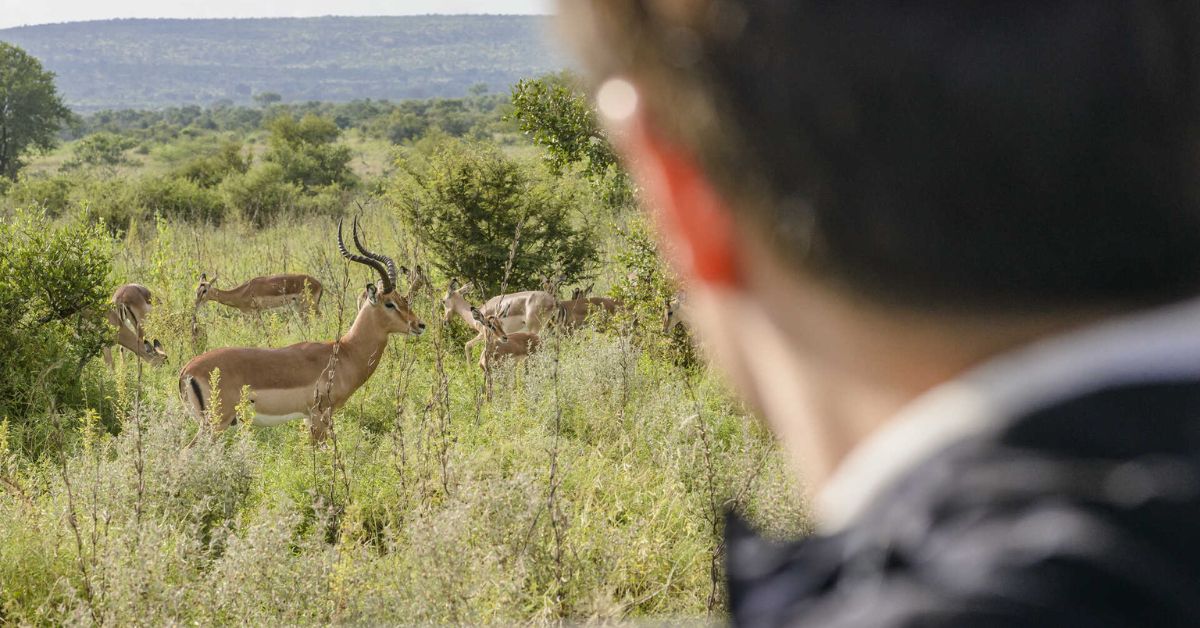
Impala herds were everywhere, some resting, some feeding, and some young males chasing each other. That chasing is play and practice. Young males are pushed out of the female groups and join bachelor herds, where sparring prepares them for later contests. An impala can leap up to three metres high, and bounding like this may confuse predators. Impalas also groom each other with a comb of specialised teeth, and during the autumn rut males roar loudly enough to be heard up to two kilometres away.
A zebra herd is never still or silent. Zebras bark to stay in touch, with a call that sounds like “a-ha, a-ha, a-ha”, and they give a loud snort when moving through cover. Mares and foals nibble and scrape each other’s necks and backs, young males play-fight, and stallions can bite and kick. Ears forward means a friendly greeting, and ears flat means a threat.
Wildebeest fed and walked with the zebra. Mixed herds like this get more eyes, ears and noses watching for predators. Kudu wandered through the bush with their large ears swivelling, and giraffes stood chewing on branches, browsing leaves with their long tongues. Giraffes are usually silent, so the only sound is the rustle of leaves.
Baboons Being Baboons
Baboons were running, playing, eating and generally getting up to nonsense, which is half the fun of a drive. A troop is a noisy place, full of grunts, squabbles and the occasional sharp bark of alarm.
What This Means for Your Own Safari
No sighting can be promised, so Kruger safari sightings will always vary from drive to drive. A cheetah kill, for example, is rare and over in seconds. But animal behaviour on safari is there on every drive if you slow down, switch off the engine and listen, and Kruger wildlife behaviour rewards the patient. Our guides know these roads and animals and will help you read what you are seeing and hearing.
Experience Mammal Behaviour on a Kruger National Park Safari
Understanding mammal behaviour adds another dimension to a Kruger National Park safari. It is one thing to spot an elephant, lion, leopard or giraffe in the wild; it is another to recognise the behaviour that makes each encounter meaningful. A change in posture, a warning call, a brief interaction between individuals or a sudden shift in attention can reveal details about an animal’s daily life that might otherwise go unnoticed.
The African bush is constantly changing. Mammals are searching for food and water, protecting their young, establishing social relationships, competing for mates and responding to the presence of other animals. Some encounters are dramatic, while others are quiet and easily missed. Both can offer valuable insight into the complex lives of wildlife.
This is why patience is such an important part of wildlife viewing. Animals do not follow a schedule for visitors, and their behaviour cannot be guaranteed. Spending time observing them, rather than rushing from one sighting to the next, allows opportunities to notice patterns, interactions and subtle signals. A sighting that initially appears uneventful may become far more interesting when an animal begins to interact with its surroundings.
A guided safari also offers the opportunity to look beyond the initial sighting. Understanding the difference between a threat display and an actual fight, recognising the role of scent marking, or noticing how young mammals practise skills through play can help bring the natural world into sharper focus. These details remind us that wildlife is not simply a collection of species to photograph, but a living community shaped by relationships, instincts and learned behaviour
Frequently Asked Questions
What is mammal behaviour?
It is how mammals feed, hunt, rest, play, raise young, communicate and interact with each other.
What sounds do animals make in Kruger?
Wild dogs twitter and yelp, hyenas whoop and giggle, elephants rumble, zebras bark and leopards make a rasping, sawing call. Many more calls are made at night.
Where do you see the most mammal behaviour in Kruger?
Anywhere, but the south, between Pretoriuskop, Skukuza and Tshokwane, has varied habitat and good wildlife density.
Why do leopards sleep in trees?
Trees offer shade, a lookout and safety from other predators.
Can you guarantee sightings like these?
No. Wildlife is wild, but a guided safari gives you the best chance to understand what you see.
Ready to see it for yourself? Explore our Kruger National Park safari packages.
SA +27 10 900-0569 · USA/International +1 (202) 250 9100 · WhatsApp +27 60 379-5216 · www.nhongosafaris.com · info@nhongosafaris.com